
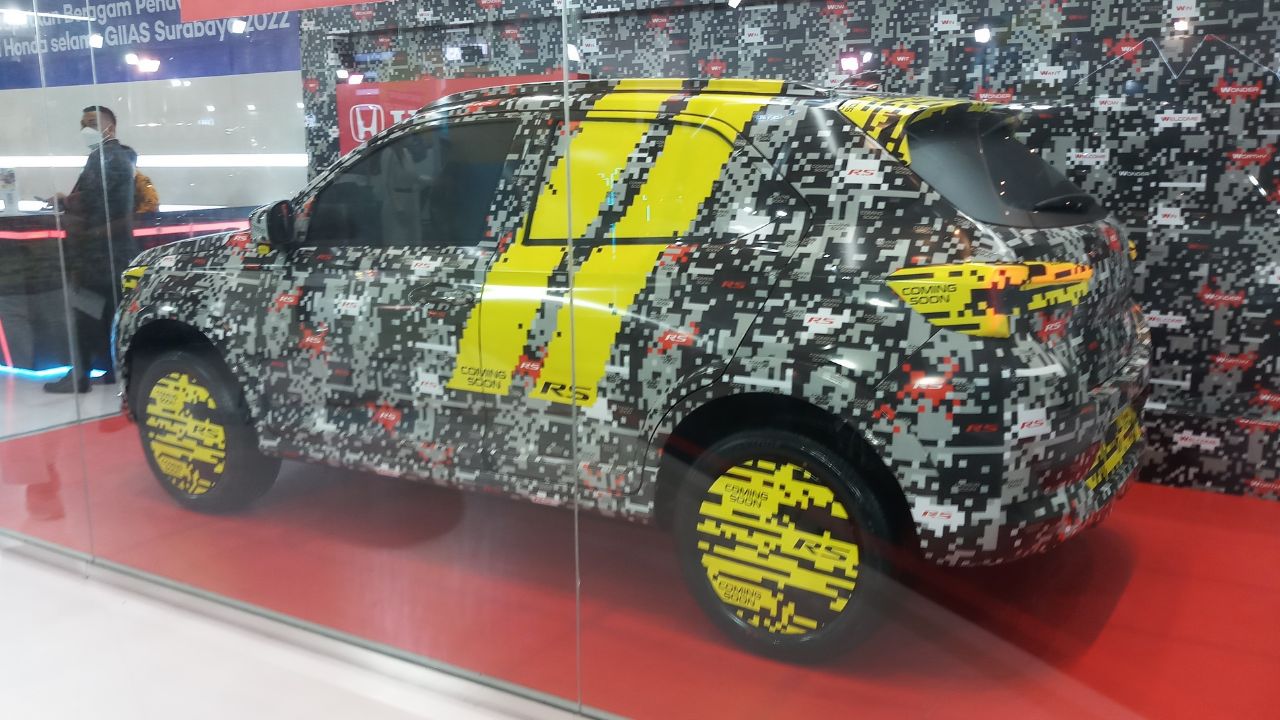
Adaptive camouflage technology, once an idea confined to the pages of science fiction, is now stepping into the realm of reality, particularly in vehicular stealth. By emulating the remarkable abilities of creatures such as squid and octopuses, researchers are crafting systems that enable vehicles to seamlessly blend into their environments. This development not only represents a significant leap in technological innovation but also poses intriguing implications for various sectors.
The Science Behind Adaptive Camouflage
Biomimicry and Natural Inspiration
Animals like squid and octopuses have long fascinated scientists due to their extraordinary camouflage abilities. These creatures can alter their skin color and texture to match their surroundings almost instantaneously. Squid, for instance, possess specialized skin cells called chromatophores, which can expand or contract to change color. Additionally, they have iridophores and leucophores that reflect light, adding layers of complexity to their appearance. This biological mechanism has inspired researchers to develop materials that can mimic these natural abilities, leading to groundbreaking advancements in camouflage technology.
Technological Innovations and Materials
The pursuit of adaptive camouflage has led to the development of advanced materials and technologies. E-ink, commonly used in e-readers, has found a new application in this field. By adjusting the pigments in e-ink displays, vehicles can change colors and patterns to blend into their environments. Another promising innovation is the use of metamaterials, which can manipulate electromagnetic waves, including light, to render objects invisible. These technologies are on the cutting edge, creating new possibilities for vehicular invisibility.
Applications in Military and Defense
Invisibility in Combat
The military has a vested interest in developing invisible tanks and aircraft, as these technologies offer strategic advantages on the battlefield. By making vehicles less detectable, armed forces can enhance their operational effectiveness and reduce the risk of detection by enemy forces. The concept of invisible vehicles isn’t just about visual stealth; it also involves minimizing heat signatures and radar detectability. This multi-faceted approach is crucial for modern warfare and has become a primary focus for military research and development.
Case Studies
Several military organizations are actively exploring adaptive camouflage technologies. The U.S. military, for instance, has invested in projects that aim to create invisible tanks using advanced materials and digital imaging. Trials have shown promising results, with vehicles appearing to vanish into their surroundings under certain conditions. Similarly, the development of invisible aircraft has been an ongoing endeavor, with research focusing on reducing radar cross-sections and enhancing optical camouflage capabilities. These projects highlight the military’s commitment to achieving vehicular invisibility.
Challenges and Limitations
Technical Limitations
Despite the progress, several technical challenges remain in achieving complete invisibility. The energy consumption of adaptive camouflage systems is a significant concern, as the power required to maintain these systems can be substantial. Durability is another issue, as the materials must withstand various environmental conditions while maintaining their camouflage capabilities. Researchers continue to work on addressing these challenges, aiming to develop more efficient and robust solutions.
Ethical and Strategic Concerns
The advent of invisible vehicles raises ethical questions, particularly regarding their use in warfare. The potential for misuse extends beyond military applications, with concerns about the implications for privacy and security in civilian contexts. Invisible vehicles could be used for unauthorized surveillance or illicit activities, prompting discussions about regulations and oversight. It is crucial to consider these ethical dimensions as the technology advances.
Current and Future Developments
Recent Breakthroughs
Recent years have seen significant breakthroughs in adaptive camouflage technology. Researchers have developed new materials that can change colors more rapidly and effectively, enhancing their applicability in both military and civilian contexts. For instance, the use of active camouflage in drones has shown potential for making these devices less detectable, which could revolutionize surveillance and reconnaissance missions.
The Road Ahead
Looking ahead, the future of adaptive camouflage holds immense possibilities. Ongoing research is likely to yield even more sophisticated technologies, with potential applications extending beyond military use. For example, commercial vehicles could benefit from enhanced safety features by becoming less visible in hazardous conditions. Moreover, the integration of camouflage technology into everyday transportation could lead to new design paradigms and functionalities. As these developments unfold, their impact on global security, transportation, and even wildlife conservation could be profound, marking a new era in technological innovation.