
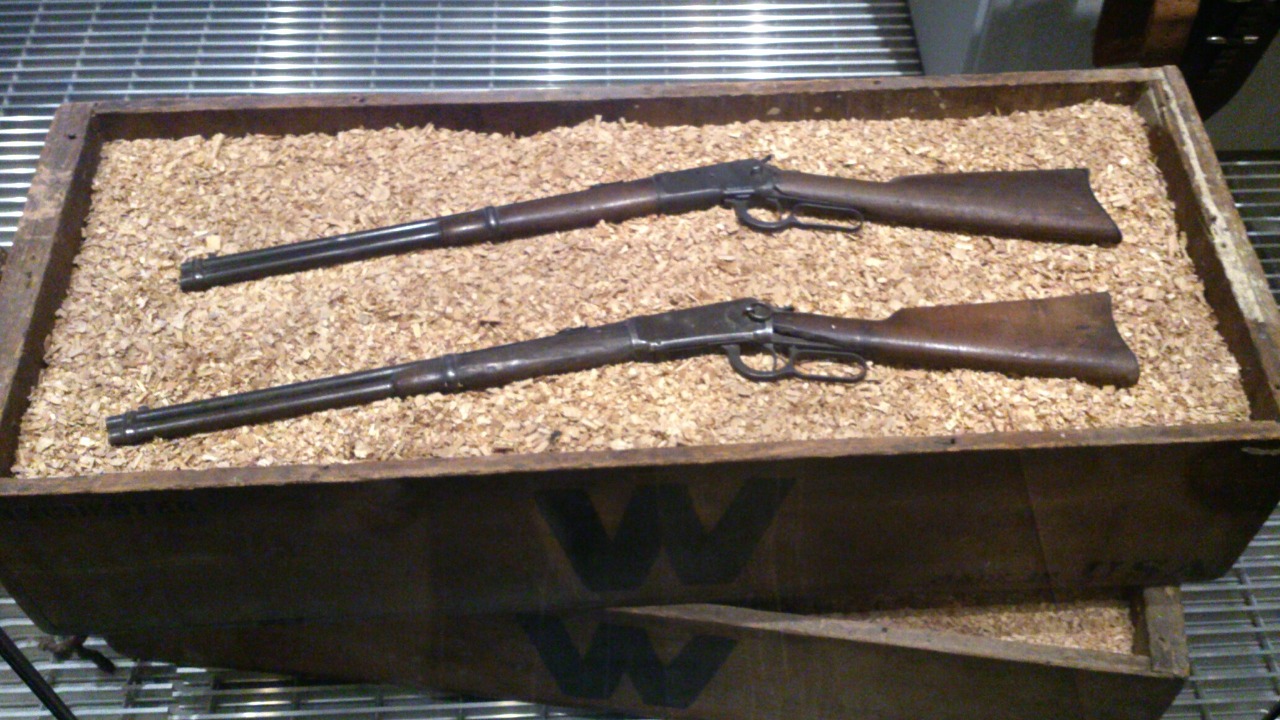
From the first clumsy hand-held tubes of powder and shot to sleek semi-automatic rifles, a handful of firearms did more than win battles. They rewrote the rules of American warfare, forcing generals, governments, and ordinary soldiers to rethink how wars were fought and how the nation armed itself. Each of these guns marked a turning point, where new technology collided with battlefield reality and permanently shifted the balance of power.
Across two and a half centuries, these weapons shaped everything from infantry tactics and fortifications to industrial production and frontier life. They chart a path from slow, smoky volleys to rapid, sustained fire, and they reveal how innovation in steel and powder often arrived faster than military doctrine could keep up.
From firesticks to the first American standard musket
Long before the United States existed, early “firesticks” were already transforming combat from the medieval clash of blades into contests decided at range. Crude devices like the Handgonne were little more than metal tubes fixed to wooden poles, yet they signaled the beginning of handheld gunpowder weapons that would eventually dominate the battlefield. As these primitive arms evolved into more reliable muskets and rifles, they set the stage for a uniquely American leap: the decision to build a national armory system and standardize military firearms.
The Model 1795 Musket embodied that shift, becoming the first officially standardized and domestically manufactured musket for the U.S. military. It marked the moment the young republic stopped depending on imported arms and committed to its own industrial capacity for war. That move fit into a broader global pattern in which certain firearms did not just improve performance but, fundamentally changed how states organized their militaries and ammunition supply.
Rifled muskets and the brutal learning curve of the Civil War
By the mid‑19th century, the United States entered the Civil War with technology that had outpaced the tactics inherited from the Napoleonic era. The Springfield Model 1861 Rifle, a percussion rifle with rifled grooves in its barrel, offered far greater range and accuracy than the smoothbore muskets that had dominated earlier conflicts. As armies adopted these more precise Rifled Muskets, the traditional practice of marching infantry shoulder to shoulder into open fields became catastrophically lethal.
Reporting on how these weapons changed combat notes that, after the percussion cap made firing more reliable, the improved range of rifled muskets meant casualties “skyrocketed” in open battles where soldiers still advanced in dense lines. Analyses of the Rifled Muskets used in that era describe how commanders were slow to abandon old formations even as the new guns made them suicidal. The Civil War became a grim laboratory where technology forced a shift toward dispersed formations, skirmish lines, and eventually more sophisticated defensive works.
Repeaters, trenches, and the first taste of industrialized firepower
While the Springfield Model 1861 Rifle defined the standard infantry arm, repeating rifles and early machine guns hinted at the future. The Spencer Repeating Carbine, with its lever action and tubular magazine, allowed Union cavalry and some infantry units to fire multiple shots before reloading, a dramatic advantage over single‑shot muzzleloaders. In engagements where Spencer‑armed troops faced opponents still using older weapons, the volume of fire could decide the outcome in minutes, foreshadowing the dominance of rapid‑fire arms in later wars.
The Gatling Gun pushed that logic further, using a hand crank to rotate multiple barrels and deliver sustained fire that no line of muskets could match. Although it was not fully automatic, it previewed the industrial scale of killing that would define 20th‑century warfare. The Civil War’s combination of improved small arms and early rapid‑fire weapons forced both Union and Confederate forces to dig in, building elaborate trenches and fortifications to survive. Detailed accounts of The Civil War describe how this new firepower turned open fields into killing zones and pushed armies toward static, fortified lines that anticipated the trench warfare of World War I.
Six‑shooters, lever guns, and the armed mythology of the American West
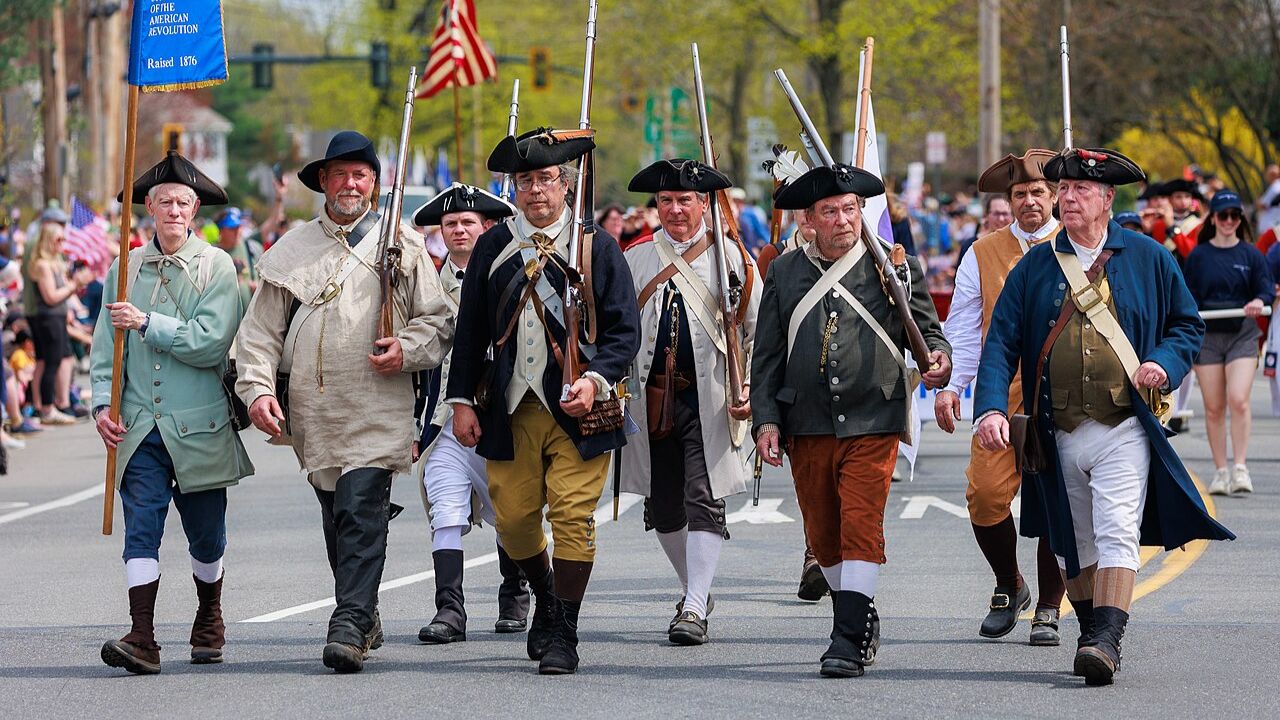
As the Civil War ended, another theater of American history was being reshaped by firearms: the West. The Colt Single Action Army revolver, chambered in powerful cartridges and built for rugged use, became the archetypal sidearm of the frontier. Known popularly as the “Peacemaker,” it served as a standard U.S. Army sidearm and a favored weapon of cowboys, lawmen, and outlaws. A detailed account of Colt and his invention explains how the six‑shooter became the foundation of a vast arms industry in the United States and helped define the image of individual firepower in American culture.
Long guns were just as influential. The Winchester Model 1873, a lever‑action repeating rifle, earned the nickname “The Gun That Won the West” for its reliability and the advantage it gave anyone who carried it. The rifle’s centerfire ammunition and rapid cycling made it a staple among settlers, law enforcement, and Indigenous fighters who acquired it through trade or capture. Modern retrospectives on the Winchester Model highlight how the weapon’s reputation as “The Gun That Won the West” grew from its ubiquity in frontier conflicts and its starring role in dime novels and later Hollywood films, cementing a mythology in which a repeating rifle and a six‑shot revolver symbolized both survival and domination.
From bolt‑actions to semi‑automatic battle rifles
By the late 19th and early 20th centuries, the United States, like other powers, embraced bolt‑action rifles that fired powerful smokeless cartridges. These rifles, with strong actions and accurate barrels, extended effective combat ranges and demanded new marksmanship standards from ordinary infantry. Analyses of legendary long guns describe how the shift “From Firesticks” to modern rifles and “Firepower” unfolded, tracing how innovations in metallurgy, cartridges, and sights produced weapons that could reliably hit targets at hundreds of yards. A detailed overview of From Firesticks and “The Evolution of the Rifle” underscores how these designs changed not just combat but also how rifles were stored, maintained, and preserved as enduring tools.
The true revolution in American service rifles arrived with the M1 Garand, the first standard‑issue semi‑automatic rifle adopted by a major power. Its eight‑round en‑bloc clip and gas‑operated action allowed U.S. soldiers to fire rapidly without working a bolt between shots, a decisive edge in World War II and the Korean War. General George S. Patton’s famous description of the M1 Garand as “the greatest battle implement ever devised” captured how profoundly it altered infantry tactics, enabling suppressive fire and quick follow‑up shots that earlier rifles could not match. In the same era, the Colt M1911 pistol, a .45 ACP semi‑automatic sidearm, served as the standard U.S. military handgun for nearly 80 years, reinforcing the American preference for hard‑hitting, reliable personal weapons that could be carried from trench lines to jungles.
Why these guns still matter in American memory
Each of these firearms did more than introduce a new mechanical trick. The Model 1795 Musket signaled a nation’s determination to arm itself, while the Springfield Model 1861 Rifle and other rifled muskets forced a bloody reckoning with outdated tactics. Repeaters like the Spencer and early machine guns such as the Gatling Gun previewed an era when industrial capacity and rate of fire would matter as much as courage. On the frontier, the Colt Single Action Army and Winchester Model 1873 became shorthand for personal power and expansion, their reputations amplified by stories that blurred the line between history and legend.
Modern analyses of historic arms emphasize that certain designs become turning points because they align technology, doctrine, and industry at exactly the right moment. The M1 Garand and Colt M1911 did that on a global stage, just as the Winchester Model 1873 and the six‑shooter did on the American frontier. Together, these guns chart how the United States moved from black‑powder volleys to modern firepower, and why the hardware of past wars still shapes debates over strategy, identity, and power today.