
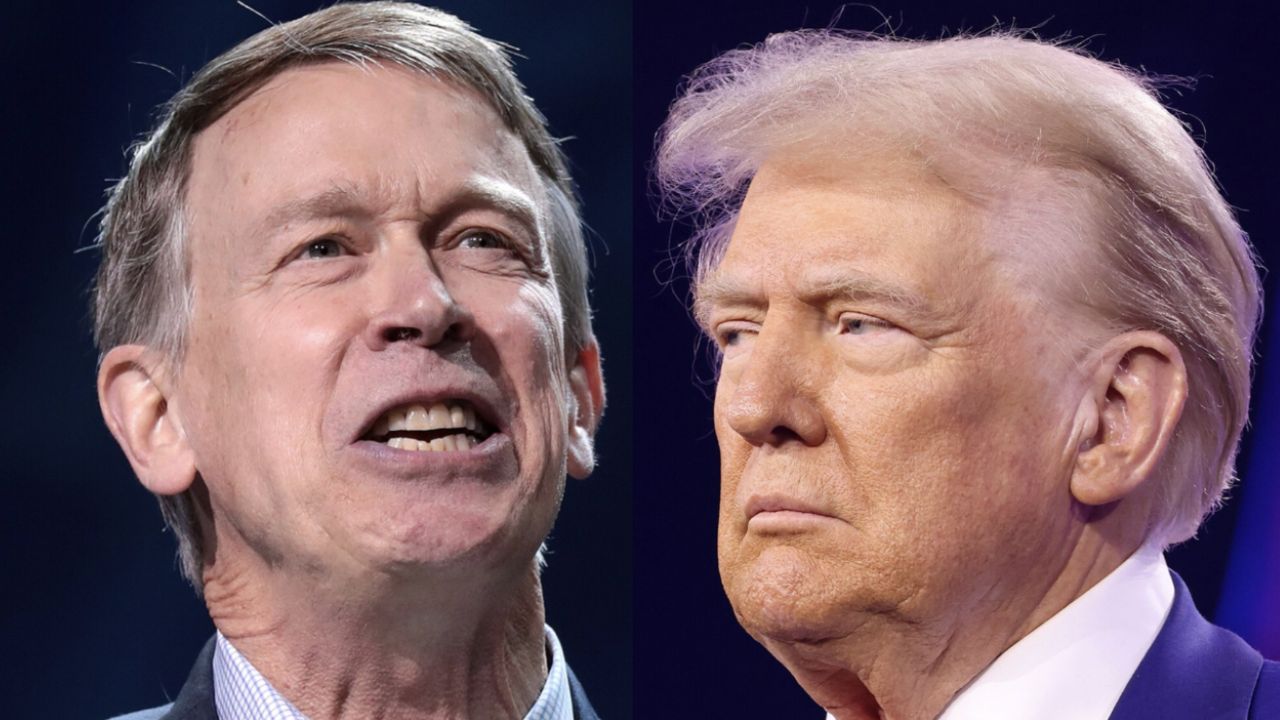
U.S. Senator John Hickenlooper (D-Colo.) accused Republican colleagues of repeatedly refusing to end President Donald Trump’s military conflict with Iran, writing on X on Sunday, September 27, 2026, that Congress has voted more than a dozen times to stop the war and that it is “way past time” for lawmakers to act.
The Full Post
Hickenlooper’s post, published at 3:24 p.m. on September 27, 2026, read in its entirety:
“We’ve voted over a dozen times to end the war in Iran and bring the focus back to Americans here at home.
Every time, MAGA Republicans failed to meet the moment. It’s way past time for Congress to step up.”
Background on the Iran War
The conflict Hickenlooper referenced began on February 28, 2026, when President Trump ordered military strikes on Iran without seeking congressional authorization. Hickenlooper responded to the strikes that day with a statement accusing the administration of bypassing its constitutional duty to consult Congress and of operating “without an articulated goal, strategy, or endgame.”
A Pattern of Failed War Powers Votes
In the months since, Hickenlooper has repeatedly voted for War Powers Resolutions intended to force an end to the conflict. On March 3, 2026, he voted yes on a bipartisan resolution, arguing that “the Constitution is clear: Congress decides if we go to war — not the President.” That vote followed a similar resolution he supported the previous June.
The pattern continued on April 15, 2026, when Hickenlooper again voted in favor of ending the war, calling the conflict “a Shakespearean tragedy on a global scale” that had cost American lives and crippled the world economy while leaving Coloradans facing a cost-of-living emergency.
Escalating Rhetoric Through the Summer
By August 6, 2026, Hickenlooper’s office noted he had voted 13 times to end the Iran war. Introducing a new War Powers Resolution that day, he said the conflict had been “a complete and total disaster that has cost American lives, sent prices skyrocketing, and drained our military stockpiles,” and argued the country was “meaningfully worse off” than before the war began.
Senate Floor Speech Ahead of the September Vote
On September 23, 2026, Hickenlooper took to the Senate floor ahead of another vote, telling colleagues, “You’re paying for this war every day: when you fill up your tank, buy your groceries, and pay your rent.” He noted that the Pentagon had estimated the war’s cost at $43.6 billion, and pressed Republican colleagues to consider whether the war was making their constituents’ lives better, calling it “not a partisan question” but “a question every senator has a duty to answer.”
The Vote Fails Again
The Senate took up the resolution on September 24, 2026, and voted it down 49-50. Only four Republicans crossed party lines to support it: Thom Tillis of North Carolina, Susan Collins of Maine, Lisa Murkowski of Alaska, and Rand Paul of Kentucky. Pennsylvania Democrat John Fetterman was the lone member of his party to vote against the measure. The vote came weeks ahead of the November midterm elections, with some Republicans in competitive races publicly breaking from Trump over the war’s economic toll even as they ultimately voted against ending it.
Demanding Accountability on War Costs
A day after the failed vote, on September 25, 2026, Hickenlooper joined Colorado colleague Michael Bennet, Michigan Senator Elissa Slotkin, and more than 40 other senators in a letter to Defense Secretary Pete Hegseth demanding a full accounting of the war’s costs. The senators wrote that American taxpayers had “already paid an extra $100 billion out of their pockets for higher gas and diesel prices alone and at least another $60 billion in higher costs for things like groceries, mortgages, and plane tickets” as a result of the conflict.
Casualties and Congressional Oversight
That same week, Hickenlooper again addressed the Senate floor, this time criticizing Trump for what he described as personally profiting from a war that had by then claimed the lives of 18 American servicemembers. He and Bennet are cosponsors of the Honoring the Sacrifices of Our Troops in War Act, legislation aimed at preventing the administration from obscuring the war’s duration, its true cost, and the toll on troops who have been injured or killed.
A Consistent Position Since the War Began
Throughout the conflict, Hickenlooper’s public statements have followed a consistent line of argument: that Trump lacked congressional authorization to enter the war, that the administration has offered no clear strategy or endgame, and that the war’s economic costs — from gas prices to grocery bills — have fallen on ordinary Americans rather than the administration. His September 27 post extended that argument, framing the repeated failure of War Powers Resolutions as a specific failure of Republican lawmakers rather than the administration alone.
Sunday’s Post in Context
Sunday’s statement did not introduce new policy but reiterated a message Hickenlooper has repeated with increasing frequency as the war has continued through much of 2026: that Congress, not just the executive branch, bears responsibility for ending the conflict, and that repeated Republican votes against doing so amount to a failure to act on behalf of their constituents. The post did not specify what action, if any, Hickenlooper expects Congress to take next, though his office has continued to introduce War Powers Resolutions in the months since the war began.
Outlook
With the war continuing and midterm elections approaching in November, the cost of the conflict — measured in both military casualties and consumer prices — is likely to remain a central point of contention between the parties. Hickenlooper’s Sunday post signals that Democrats intend to keep pressing the issue of congressional war powers as a campaign theme heading into the fall.