
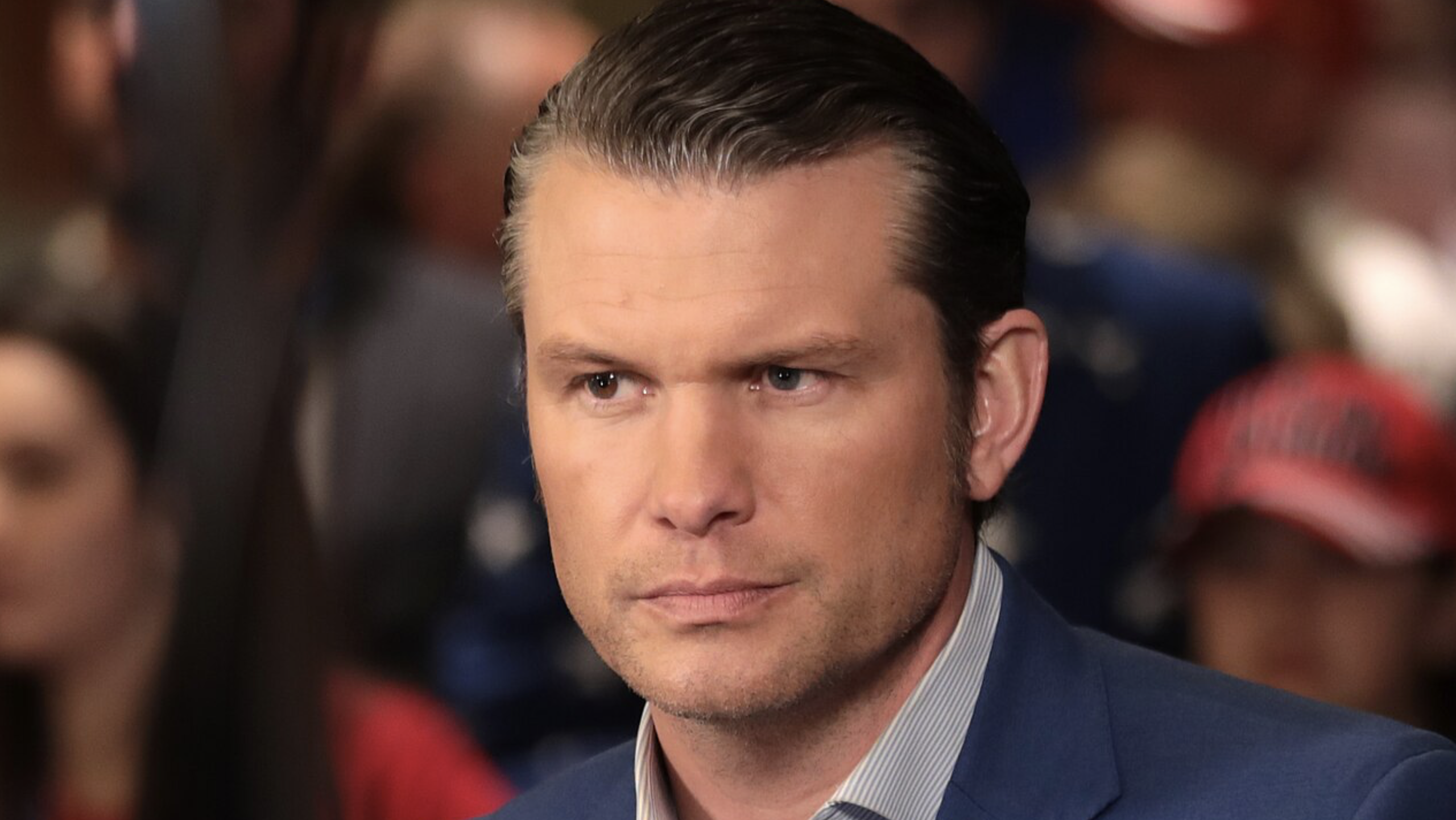
SAN ANTONIO — A flu outbreak has sickened at least 159 recruits at Lackland Air Force Base in Texas, less than two months after Defense Secretary Pete Hegseth lifted the requirement that U.S. troops be vaccinated against the flu, according to Air Force officials. An Air Force spokesperson told CBS News that “over the last three weeks, the 37th Training Wing, in close coordination with the 59th Medical Wing, has been managing a localized influenza outbreak among trainees at Basic Military Training.” The outbreak has run through the wing’s Basic Military Training program, where new recruits sleep on bunk beds in open bays and eat at large communal tables.
The 37th Training Wing is the largest training wing in the Air Force and conducts basic training for all enlisted recruits entering the Air Force, Space Force, Air Force Reserve, and Air National Guard. ABC News reported, citing two sources familiar with the matter, that there have been at least 159 known cases and two hospitalizations among recruits as of Wednesday, with one source saying the actual number of cases and hospitalizations may be higher.
The Death of a Trainee
The outbreak was disclosed the same week the Air Force announced the death of a basic training recruit. According to an official press release from the 37th Training Wing, Keon McDaniel, a trainee assigned to the 737th Training Support Squadron, died June 16 at Brooke Army Medical Center. McDaniel was in his sixth week of Basic Military Training when he experienced a medical emergency on June 12 and was transported to the hospital for care.
The Air Force said a comprehensive medical review is underway to determine the cause of McDaniel’s death, and officials have not said whether it is connected to the flu outbreak. The cause of his medical emergency remains under investigation.
The Vaccine Policy Change
Hegseth announced in April that the annual flu vaccine would become optional for all active-duty and reserve U.S. military personnel, reversing a longstanding requirement. He framed the change as a matter of religious freedom and medical autonomy. “Under the disastrous Biden administration, this Pentagon waged an unrelenting war on our warriors on many fronts, including when it came to denying them simple medical autonomy and the freedom to express their religious convictions,” Hegseth said in a video announcing the policy. He described the prior mandate as an “absurd, overreaching” requirement that had “weakened our warfighting capabilities.” In a separate comment captured by ABC News, Hegseth called the previous policy “overly broad and not rational.”
Even as he announced the change, Hegseth encouraged troops to get the vaccine voluntarily. “We will not force you because your body, your faith and your convictions are not negotiable,” he said at the time. According to the Pentagon, the policy still allows individual services to seek exceptions requiring the flu vaccine in specific circumstances. In the weeks since the policy took effect on April 21, only about 40 percent of Air Force trainees have opted to receive the vaccine, according to an Air Force official.
Air Force Response
In response to the outbreak, the Air Force has implemented an exception to the voluntary policy requiring all recruits at Lackland to receive flu shots, as part of a broader effort to contain the virus’s spread. The Air Force said symptomatic trainees are receiving antiviral medications such as Tamiflu and are being monitored, along with others who may have been exposed. “Once they are cleared by medical professionals, they will return to training,” the Air Force said in a statement.
Congressional and Pentagon Reaction
When Hegseth’s policy change was first announced in April, it drew criticism from members of both parties, including some Republicans. Senate Armed Services Committee Chairman Roger Wicker (R-Miss.), an Air Force veteran, said at the time that the original mandate had been intended “to enhance readiness,” adding, “You know, you do give up certain rights when you take the oath. It’s just part of it.”
Pentagon chief spokesman Sean Parnell defended the administration’s approach this week, saying the policy changes were “based upon thorough risk assessments” designed to maximize the readiness and lethality of the force. A White House spokeswoman, when asked about the outbreak, referred questions to the Pentagon. The Air Force described the outbreak as localized to the training wing.
Broader Vaccine Policy Context
The flu vaccine change is part of a broader shift in the administration’s approach to military vaccination requirements. Health Secretary Robert F. Kennedy Jr., who has a history of publicly questioning the safety of several standard vaccines, rescinded federal recommendations last year for flu vaccines containing thimerosal, a mercury-based preservative that some anti-vaccine advocates have linked to autism, despite no scientific evidence supporting that connection.
Hegseth has also worked to reinstate troops who left the military after declining to receive the COVID-19 vaccine before that mandate was lifted in 2023. Roughly 8,700 active-duty and reserve troops left the military, voluntarily or involuntarily, over the COVID vaccine mandate; as of last summer, only 13 had been reinstated. In March, Hegseth extended the deadline for affected troops to apply for reinstatement to April 1, 2027. The military continues to require other vaccinations, including for measles, mumps, and polio, and may require others, such as the anthrax vaccine, depending on occupational risk.