
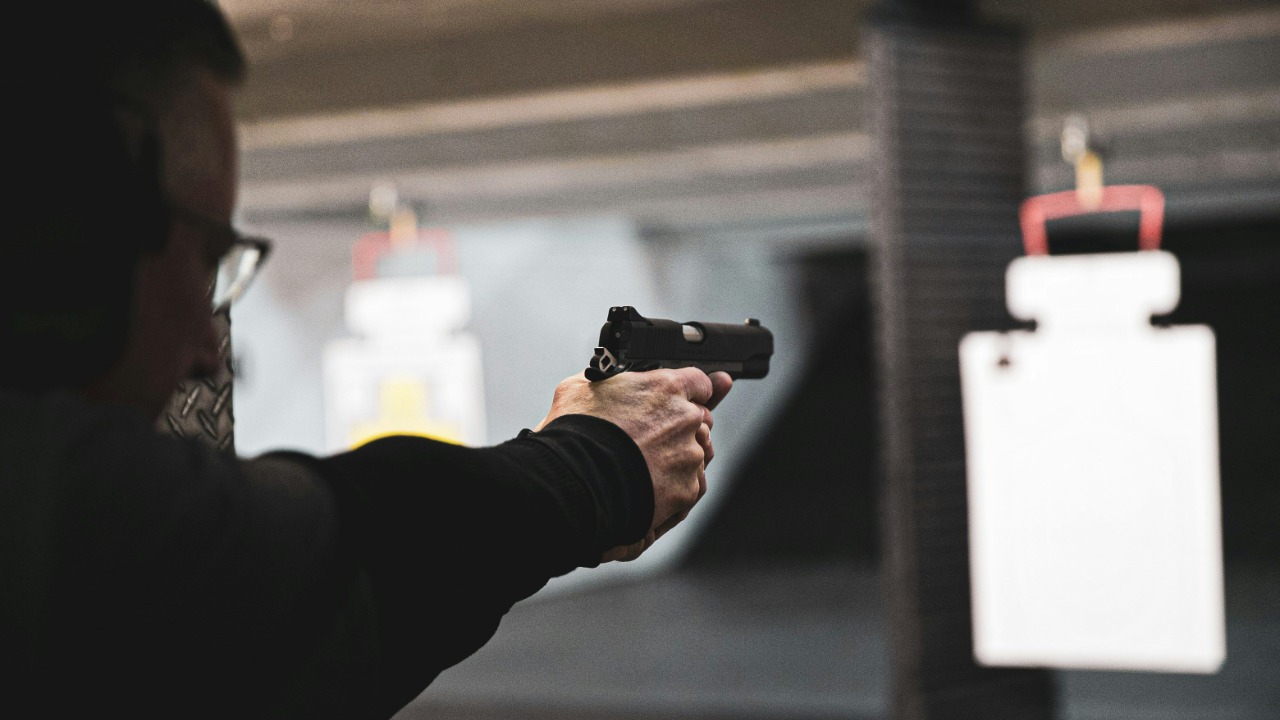
Some handguns look so good in the display case that you mentally start composing their Instagram captions before you even fill out the paperwork. Then you get them on the firing line and discover that the only thing they are really good at is making you regret your life choices. The gap between curb appeal and performance is where the prettiest disappointments in the gun world live, and they are far more common than most marketing departments would like to admit.
I have watched sleek pistols that photograph like movie props choke, sting and generally misbehave once the shooting starts, and the pattern is remarkably consistent. The guns that promise the most on looks and spec sheets are often the ones that leave shooters muttering on the drive home, a reality that shows up everywhere from formal reviews to salty range stories and online comment threads.
Why “good‑looking” handguns so often shoot like divas
When a handgun is gorgeous, it usually is not an accident. Designers know that a sculpted slide, polished flats and just the right grip profile can trigger the same impulse that makes people fall for sports cars they cannot afford. One writer described a classic pistol as having aesthetics “up the ying-yang” and noted that its status as perhaps the most famous handgun on the planet was no coincidence, since its lines were carefully tuned for visual appeal in addition to function, a reminder that beauty is often engineered as aggressively as reliability in the gun world.
The trouble starts when that visual obsession crowds out the boring details that actually make a pistol pleasant to shoot. Slimmed-down controls that look sleek can be hard to run under stress, ultra-thin grips that photograph well can punish the hand under recoil, and tiny sights that keep the slide profile clean can turn every string of fire into a squinting contest. Reviewers who have compared compact pistols side by side, such as one who put a 9 mm micro-compact next to a Beretta Nano, often start by admiring how much smaller and flatter the stylish option is, only to pivot quickly to how that same sleekness translates into snappier recoil and fussier handling once live rounds are involved.
Big-name brands, big-time letdowns
Even the most established manufacturers are not immune to the “looks great, shoots meh” trap. Some high-profile pistols arrive with glossy marketing, handsome machining and spec sheets that read like wish lists, then proceed to stumble on the basics once they hit the range. Reporting on disappointing handguns from major brands has highlighted models that seemed perfect on paper, with modern styling and feature lists that made buyers feel like they were getting cutting-edge gear, only for those same guns to reveal reliability quirks, awkward triggers or control layouts that made extended practice feel like a chore instead of a confidence builder.
That mismatch between promise and performance is especially painful because it preys on trust. When a respected logo is engraved on the slide, shooters reasonably expect the gun to run without drama, not to become a recurring character in their malfunction drills. Coverage of these underperformers has emphasized how often the frustration comes from the contrast between the pistol’s visual polish and its behavior under live fire, with some models earning reputations as the kind of purchase that looks great in a safe selfie but quietly migrates to the back of the shelf after a few disappointing range trips, a pattern echoed in broader rundowns of disappointing handguns from big-name makers.
When “cute” and “clever” collide with reality
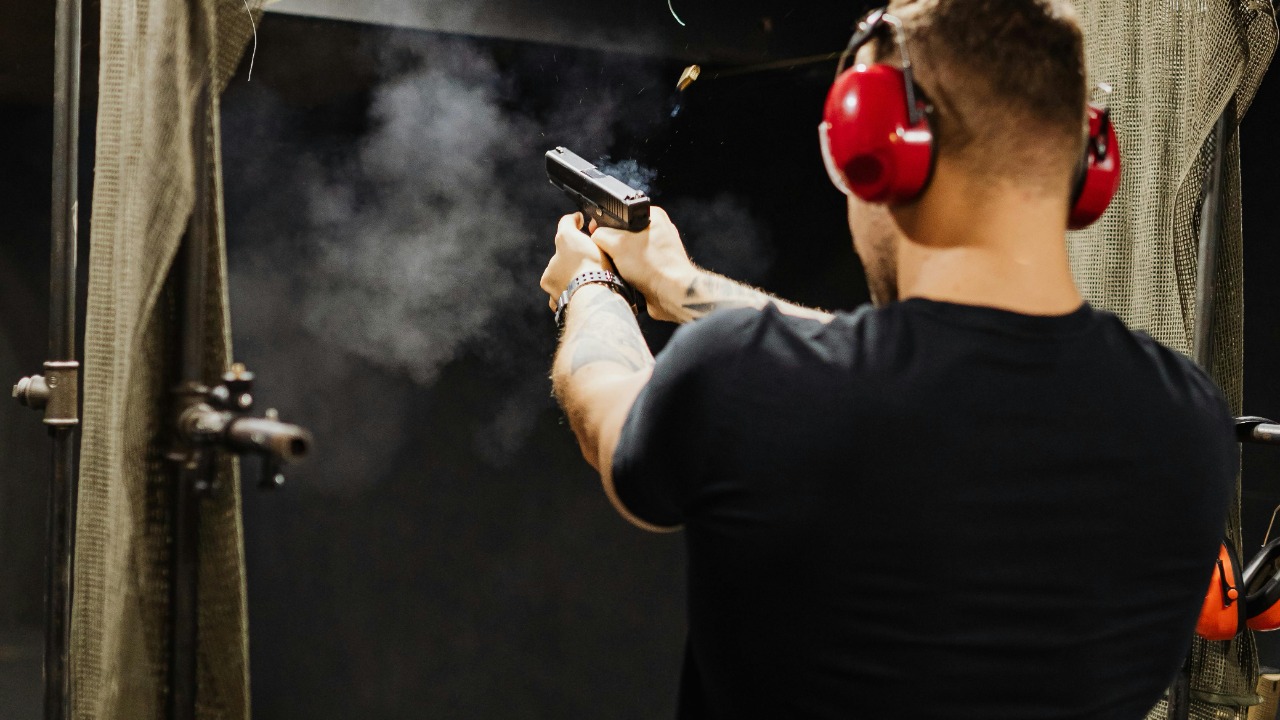
The problem is not limited to serious-duty pistols. Some of the most charming offenders are the quirky, eye-catching guns that seem designed to make your friends at the range say “let me see that” before you even open the case. In one discussion of guns that surprised shooters in a bad way, a commenter singled out the Heritage Rough Rider Rancher Carbine, a firearm that looks like a fun, old-school plinker at first glance. The initial attraction was all about the novelty and aesthetics, but once rounds started going downrange, the charm apparently evaporated under the weight of awkward handling and performance that did not live up to the visual promise.
I have seen that same arc play out with other “conversation piece” handguns that lean hard into retro styling or unusual configurations. They photograph beautifully, they spark nostalgia, and they seem like the perfect answer to the question nobody asked. Then the owner discovers that the trigger feels like it was borrowed from a staple gun, the sights are more decorative than functional, or the ergonomics appear to have been designed around a cartoon character’s hands.
Micro-compacts and the tyranny of tiny
Few categories generate as much aesthetic temptation as the ultra-small carry pistol. Micro-compacts promise sleek lines, minimal bulk and the illusion that you can have full-size performance in something roughly the size of a large smartphone. Reviewers who have handled pistols like the SIG micro-compact that was compared directly to the Beretta Nano often start by nodding appreciatively at how much smaller and flatter the stylish option is. That size reduction looks fantastic in photos and feels impressive in the hand, but it also concentrates recoil, shortens sight radius and leaves very little real estate for a comfortable grip, which can turn every magazine into a test of pain tolerance rather than marksmanship.
In practice, that means some of the best-looking pocket pistols are also the ones that new shooters least enjoy firing. The same slim profile that disappears under a T-shirt can make the gun twist under recoil, and the abbreviated controls that keep the lines clean can be harder to manipulate when your hands are cold or sweaty. Range reports on these micro-compacts often read like a love letter to their aesthetics followed by a breakup note about their manners, with shooters praising how they vanish in a holster but admitting that they would rather practice with something a little chunkier and a lot more forgiving than the ultra-flat designs that impressed them in the display case and in side-by-side comparisons with bulkier options like the Nano.
When reputation and reality do not match
Sometimes the disappointment is not just about looks, it is about the story that comes with the gun. A pistol can carry a notorious reputation for being finicky or unreliable, yet still manage to win over individual owners who are willing to put in the work. The result, at least in that case, was a gun that ran well enough that everyone at the range enjoyed shooting it, a reminder that even pistols with rough reputations can sometimes be coaxed into decent behavior with enough effort and a willingness to tinker.
That kind of success story is the exception, not the rule, and it highlights why so many shooters feel burned when a handsome handgun fails to live up to its legend. Most people are not looking to become unpaid quality-control departments for their purchases, especially when the gun in question arrived with a glossy backstory and a design that seemed to promise out-of-the-box excellence.
Kit guns, training pistols and the myth of “it’ll be fine”
Even firearms marketed as practical tools for training can fall into the trap of looking right while shooting wrong. One disappointed owner recounted buying a Smith & Wesson 317 Kit Gun with the idea of using it to introduce new shooters to rimfire revolvers. The concept sounded perfect: light weight, compact size and a familiar layout that seemed ideal for teaching fundamentals. Years after that purchase, the same owner was still describing it as one of the most disappointing guns they had bought, a verdict that suggests the real-world shooting experience did not match the tidy mental picture that came with the “kit gun” label and the attractive, minimalist design.
I have seen similar letdowns with other training-oriented handguns that look like they were designed by a focus group of catalog photographers. They check all the visual boxes for a starter gun, with clean lines and friendly proportions, but then reveal heavy triggers, indifferent accuracy or finicky reliability once students start working through drills. Lists of the most underwhelming firearms have repeatedly flagged models like the 317 K variant as examples of how even thoughtfully conceived designs can miss the mark in execution, turning what should have been a confidence-building tool into a source of frustration for both instructors and new shooters who expected a gentle introduction instead of a crash course in mechanical quirks.
Lessons from the “handguns I hate to shoot” club
If you want a crash course in which pistols look great but feel awful, you do not have to look far. Video roundups of the “most disappointing guns” and related segments on Handguns I Hate To Shoot have become minor genres of their own, with hosts like Honest Outlaw walking viewers through the gap between glossy marketing photos and bruised palms. These breakdowns often feature pistols that are objectively handsome, with sharp machining and modern styling, yet earn a spot on the naughty list because of punishing recoil, awkward controls or reliability issues that show up as soon as the round count climbs.
The comments under those videos are their own education. Viewers trade stories about pistols that looked like must-have upgrades but turned out to be range-day villains, and they just as quickly recommend alternatives from segments like Guns You Should Get Right Now that may be less glamorous but far more satisfying to shoot. The pattern that emerges is hard to ignore: the guns people love to photograph are not always the ones they love to fire, and the most valuable advice often comes from the folks who have already paid the tuition in ammo, time and mild hand trauma so the rest of us do not have to.