
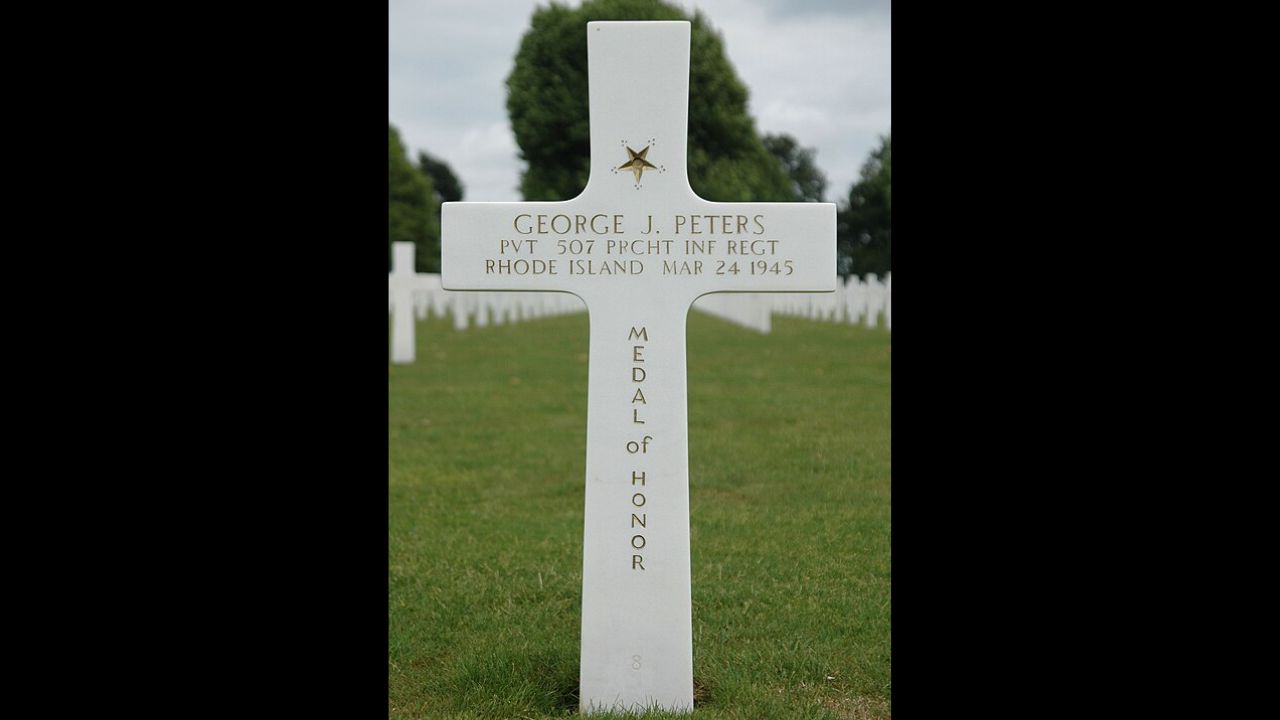
George Peters, a soldier of remarkable bravery, became a symbol of heroism when he held off enemy forces while wounded, allowing his fellow soldiers to escape. This act of valor not only saved lives but also earned him the prestigious Medal of Honor. Delving into the extraordinary story of George Peters sheds light on the legacy of his courageous actions.
Background of George Peters
George Peters was born into a modest family in a small Midwestern town, where values like hard work and perseverance were ingrained from an early age. His upbringing was characterized by a strong sense of community and a passion for helping others, which naturally led him towards military service. Inspired by stories of bravery from family members who served before him, Peters enlisted in the army shortly after graduating high school, driven by a desire to make a meaningful contribution to his country.
Upon enlisting, Peters quickly adapted to the rigors of military life. His training was intense, pushing him to his limits, but it was here that he developed the skills that would later define his storied career. From mastering the art of strategy to learning how to operate under extreme pressure, Peters excelled. Deployment came swiftly, with Peters being assigned to a unit that promised to see significant action. His journey took him to the heart of conflict, where he would be tested in ways he could never have imagined.
What set Peters apart from his peers were his innate qualities of leadership and resilience. Colleagues often remarked on his ability to remain calm under pressure and to inspire those around him with his unwavering dedication. These personal traits, combined with his military training, equipped him to face the challenges that lay ahead on the battlefield.
The Battle and the Wound
The battle that would etch Peters’ name into the annals of military history took place in the harsh terrain of a distant land, where every hill and valley held strategic significance. His unit was tasked with holding a crucial position against a relentless enemy force determined to break through. The stakes were high, and the pressure was immense as the battle unfolded.
During the heat of the conflict, Peters sustained a serious wound that would have incapacitated many. Despite the pain and the urgent need for medical attention, he chose to remain on the front lines. His decision to continue fighting was not born out of recklessness but rather a deep sense of duty to his comrades. With limited resources and a rapidly deteriorating situation, Peters’ actions were pivotal in slowing the enemy advance.
The immediate impact of Peters’ resolve was felt by his fellow soldiers, who were given precious time to regroup and execute a strategic retreat. His bravery in the face of overwhelming odds turned the tide of the battle, allowing his unit to escape a potentially devastating defeat. His actions became a testament to the power of individual courage in altering the course of events.
Heroic Actions and Tactical Brilliance
Peters’ defensive strategies during the battle showcased not only his bravery but also his tactical acumen. He utilized the terrain to his advantage, setting up strategic points of defense that effectively disrupted the enemy’s momentum. His understanding of the battlefield allowed him to anticipate enemy movements and respond with calculated precision, buying time for his fellow soldiers to escape.
Leadership under fire is a rare quality, and Peters exemplified it in those critical moments. Despite his injury, he maintained a clear focus, directing his men with calm authority. His ability to inspire confidence and rally his troops, even when the odds seemed insurmountable, was a testament to his exceptional leadership skills. His fellow soldiers followed his lead, galvanized by his courage and clarity of thought.
The actions taken by Peters were instrumental in ensuring the safe withdrawal of his unit. He coordinated a series of maneuvers that allowed his comrades to slip away from the encroaching enemy, all the while maintaining a defensive posture that kept the enemy at bay. Peters’ selflessness and tactical brilliance saved lives and underscored the vital role of leadership in critical situations.
Recognition and Legacy
The awarding of the Medal of Honor to George Peters was a recognition of his extraordinary bravery and leadership. The process of awarding this highest military honor involves a thorough review of actions and circumstances, underscoring the significance of Peters’ contribution to the battle. The Medal of Honor not only acknowledged his individual courage but also served as a symbol of the ideals that define military service.
Peters’ actions have been studied and admired within military circles for their strategic brilliance. Military academies and training programs often reference his battle tactics as exemplary demonstrations of leadership and innovation under pressure. His story has become a part of military lore, inspiring countless soldiers to aspire to the same levels of courage and resourcefulness.
The lasting impact of Peters’ heroism extends beyond the battlefield. His actions have left an indelible mark on his fellow soldiers and the wider military community, reinforcing the values of courage, sacrifice, and leadership. His legacy continues to inspire new generations, serving as a beacon of what it means to serve with honor and distinction.
Commemoration and Memory
In the years following his heroic actions, numerous ceremonies and memorials have been established to honor George Peters. These events serve as poignant reminders of his sacrifice and bravery, ensuring that his legacy is remembered and celebrated. Monuments in his hometown and military installations bear his name, providing a lasting tribute to his contributions.
Personal reflections from family members, fellow soldiers, and historians offer a deeper insight into the man behind the medal. Those who knew him speak of a humble individual who never sought glory but was motivated by a profound sense of duty. Their stories paint a picture of a man whose actions on the battlefield were a natural extension of his character.
Efforts to educate future generations about Peters’ bravery are ongoing, with educational programs and military history courses incorporating his story as a crucial learning example. By keeping his memory alive, these initiatives help ensure that the principles Peters stood for continue to resonate within the hearts of those who serve.