
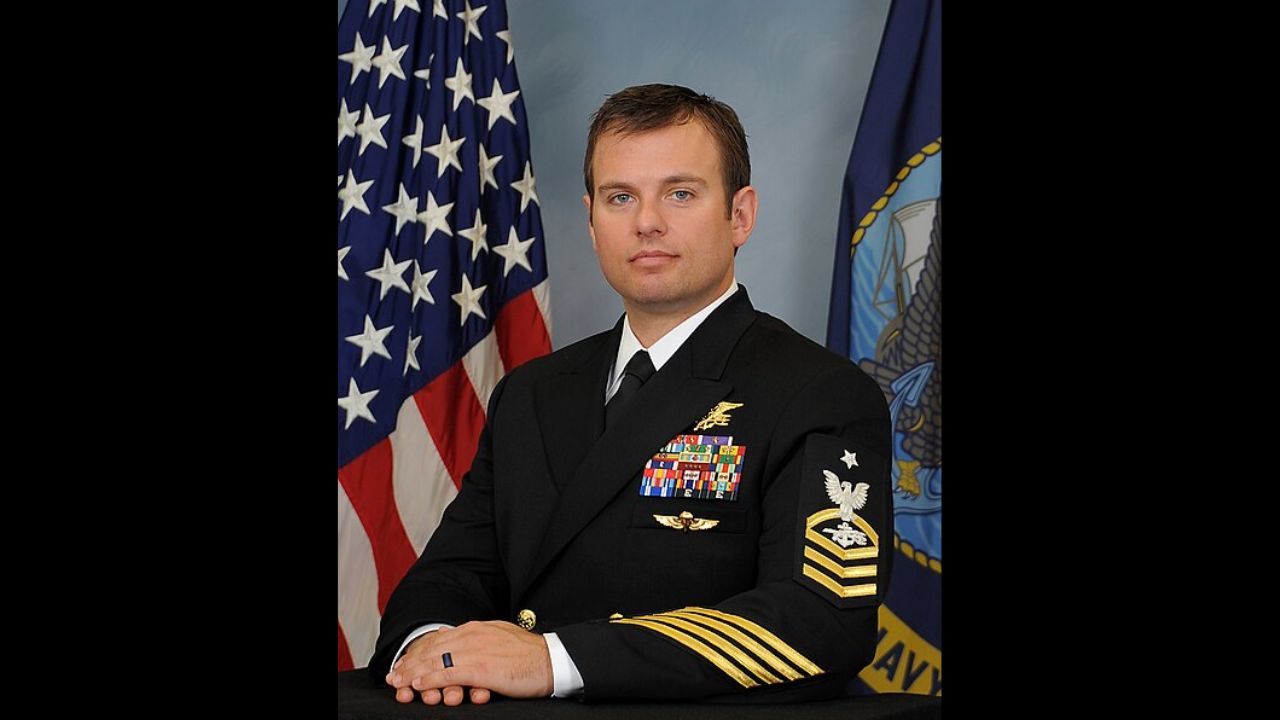
In a daring rescue mission that defies the imagination, Edward Byers, a Navy SEAL, successfully freed a hostage in mere seconds despite being surrounded by armed captors. This operation, marked by exceptional bravery and precision, showcases the elite skills and training that define the SEALs. Through this article, we delve into the extraordinary circumstances of this rescue and the heroism of Byers.
The Mission Brief: Setting the Stage
In 2012, an American doctor named Dilip Joseph was taken hostage by the Taliban in the mountains of Afghanistan. The situation was dire; the captors were heavily armed, and the terrain was unforgiving. It was a race against time as Joseph’s life was in imminent danger. The stakes were incredibly high—not only was there the life of a U.S. citizen at risk, but the operation also had broader implications for U.S. foreign policy and military strategy in the region.
Edward Byers, a seasoned Navy SEAL with multiple deployments under his belt, was part of the team tasked with the rescue. Byers had already demonstrated exceptional skill and courage in previous missions, but this operation would put all of his training and experience to the ultimate test. His background as a SEAL highlighted his capability to handle such intense situations. Known for his calm demeanor under pressure, Byers was the fitting choice for this rescue mission.
The Tactical Approach: Planning the Impossible
The mission planning for this high-risk operation was meticulous. Every detail was scrutinized to ensure the success of the rescue. The intelligence team worked tirelessly to gather information about the captors, their location, and their defensive setup. This data was crucial, as it dictated the approach the SEALs would take. They needed to know exactly what they were walking into to minimize risks and maximize their chances of a successful extraction.
Coordination and timing were essential components of the plan. The SEAL team synchronized their watches down to the second, knowing that any delay could compromise the operation. They rehearsed the mission repeatedly, each time simulating different scenarios that could occur during the rescue. This preparation was vital; it allowed the team to react swiftly and decisively when the moment came to breach the compound.
Execution in Seconds: The Rescue Unfolds
As night fell, Byers and his team approached the compound. The darkness provided a cover, but it also added to the complexity of the operation. The initial breach was executed with precision, and the team swiftly entered the hostile environment. Byers, leading the charge, identified the room where the hostage was held and moved in with lightning speed.
The pivotal moments of the rescue were a testament to Byers’ training and instincts. Within mere seconds, he was able to identify Dilip Joseph amidst the chaos and shield him with his own body. Byers’ quick thinking and bravery were instrumental in neutralizing the threats, as he physically subdued one captor while a fellow SEAL took out another. The team’s ability to adapt and react to changing situations was crucial in ensuring the mission’s success.
Heroic Valor: Byers’ Actions Under Fire
The dangers faced by Byers during the rescue were immense. The room was filled with armed captors, any of whom could have opened fire at any moment. Byers had to assess these risks in a split second and make decisions that would ensure not only his safety but also the safety of the hostage. His actions were nothing short of heroic, as he placed himself in harm’s way to protect Joseph.
Byers’ split-second decisions were pivotal to the success of the operation. Choosing to shield Joseph with his own body, he demonstrated an incredible level of valor and selflessness. For his actions, Byers was awarded the Medal of Honor, the highest military decoration in the United States. This recognition was a testament to his bravery and the extraordinary measures he took to save a life.
Training and Preparation: Forging a Navy SEAL
The training that prepares Navy SEALs for high-stakes missions is legendary. Byers, like all SEALs, underwent an intense program that tested his physical and mental limits. This training is designed to forge individuals who can operate effectively in the most challenging environments. From grueling physical drills to complex tactical exercises, SEAL training is unparalleled in its rigor and demands.
Psychological fortitude is another critical component of SEAL training. Trainees are pushed to their breaking points to build the mental resilience required in life-or-death scenarios. Byers’ ability to remain calm and composed under extreme stress was a direct result of this training. Additionally, the importance of teamwork and trust cannot be overstated. Operating as a cohesive unit, the SEALs rely on each other implicitly, and this trust is what enables them to execute complex operations successfully.
Impact and Legacy: The Aftermath of the Rescue
The immediate outcomes of the successful mission were significant. Dilip Joseph was safely returned to his family, and the captors were neutralized. This operation sent a strong message to hostile forces about the capabilities and resolve of the U.S. military. The rescue also demonstrated the importance of specialized units like the Navy SEALs in conducting precise and effective hostage operations.
Long-term implications of the rescue influenced military strategy and operations. The mission underscored the need for constant intelligence gathering and the ability to execute high-risk missions with precision. Byers’ actions became a case study in military circles, inspiring new strategies for hostage rescue operations. On a personal level, Byers reflected on the experience as a defining moment in his career. His story continues to inspire future generations of SEALs, reminding them of the courage and commitment required to protect and serve.