
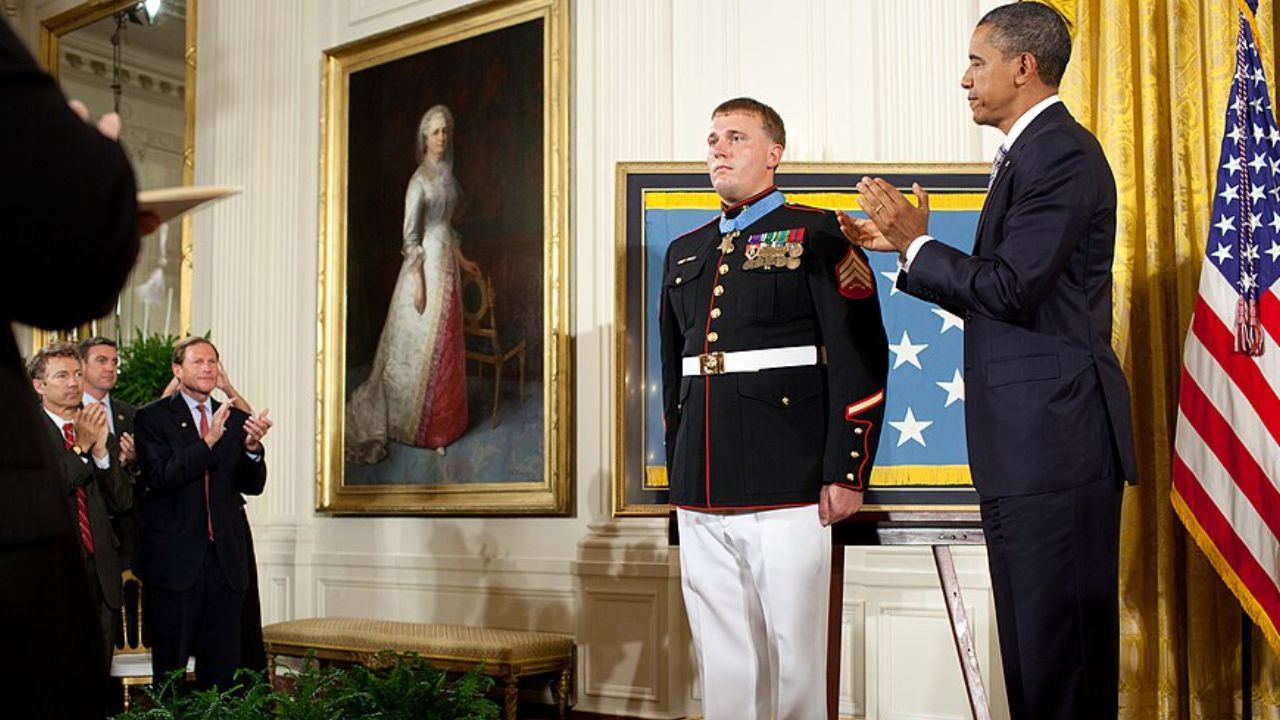
Dakota Meyer, a former U.S. Marine Corps sergeant, exhibited astounding bravery during his service in Afghanistan. His courageous act of driving into a deadly kill zone five times under relentless enemy fire to save wounded teammates stands as a testament to the bonds of loyalty and the harsh realities soldiers face in combat. Through his heroic actions, Meyer not only earned military recognition but also shed light on the enduring spirit of camaraderie among those who serve.
The Battle of Ganjgal
The Battle of Ganjgal was a harrowing ambush that took place in the rugged terrain of the Ganjgal Valley, Afghanistan, on September 8, 2009. The valley, with its narrow paths and steep hills, became a deadly trap for Meyer and his fellow Marines. As the dawn broke, a combined patrol of U.S. Marines, Afghan National Army, and border police moved into the valley for a routine mission. However, what awaited them was anything but routine. Insurgents, strategically positioned, unleashed a brutal and well-coordinated attack, pinning the patrol down and cutting off routes of escape. The situation quickly escalated into a desperate fight for survival.
As the initial call for help went out, the gravity of the situation became painfully clear. The patrol was vastly outnumbered, and the insurgents’ positions on the high ground gave them a significant tactical advantage. The request for reinforcements underscored the dire need to extract the wounded and regroup. The chaos of battle was compounded by communication breakdowns and the lack of immediate support, leaving the besieged forces to fend for themselves. It was in this intense and daunting scenario that Dakota Meyer made a fateful decision.
Faced with the urgent need to act, Meyer chose to defy the odds and his orders. Rather than wait for reinforcements, he resolved to take matters into his own hands. Driven by an unwavering commitment to his fellow Marines, Meyer climbed into a Humvee and set out toward the kill zone. His decision was not just a response to the immediate crisis but a profound testament to the values of duty and sacrifice that define military service.
Acts of Valor
In the face of overwhelming danger, Dakota Meyer displayed an extraordinary level of valor by risking his life multiple times. On five separate occasions, he drove into the heart of the kill zone, each time braving the relentless barrage of enemy fire. His actions were not only a testament to his courage but also an embodiment of the Marine Corps ethos of “never leave a man behind.” The dangers were immense, with bullets ricocheting off the Humvee and RPGs exploding nearby. Yet, Meyer remained undeterred, focused solely on the mission of rescuing his comrades.
The challenges of executing a rescue under such hostile conditions were immense. Meyer had to navigate the narrow, treacherous paths of the valley while under constant threat from insurgent fire. The smoke and dust of battle obscured vision, while the cries of the wounded added to the chaos. Despite these obstacles, Meyer was determined to reach his fellow Marines. His actions were not just about physical bravery but also about maintaining focus and composure in the face of overwhelming odds.
One of the most significant aspects of Meyer’s actions was his decision to defy direct orders. While his superiors had urged caution and restraint, Meyer made the conscious choice to act against these directives. His willingness to risk court-martial and disciplinary action highlights the complexity of command decisions in combat and the moral imperative that sometimes drives soldiers to act independently. By prioritizing the lives of his teammates over strict adherence to orders, Meyer underscored the human element of military engagements.
Recognition and Honor
The heroism displayed by Dakota Meyer did not go unnoticed. In recognition of his extraordinary bravery and selflessness, he was awarded the Medal of Honor, the highest military decoration in the United States. The process of awarding this honor involved a thorough review of his actions during the Battle of Ganjgal, highlighting the significance of his decisions and the impact they had on the outcome of the engagement. The presentation of the Medal of Honor to Meyer served not only as an acknowledgment of his courage but also as a powerful message about the values that define military service.
Meyer’s actions have had a lasting impact on military protocol and the broader discussion of what constitutes valor in combat. His willingness to defy orders and prioritize the lives of his fellow Marines has sparked conversations about the nature of bravery and the expectations placed on soldiers in the heat of battle. The recognition of his actions has also prompted a reevaluation of military conduct and the importance of individual initiative in combat scenarios.
The acknowledgment of Meyer’s heroism extended beyond official recognition. His fellow soldiers and commanders have offered testimonials that underscore the profound impact of his actions. Their words reflect not only admiration for Meyer’s bravery but also a deep sense of gratitude for his willingness to risk everything for his comrades. These testimonials serve as a powerful reminder of the bonds forged in combat and the enduring legacy of Meyer’s courage.
The Psychological and Emotional Toll
The immediate aftermath of the Battle of Ganjgal left Dakota Meyer grappling with a complex mix of emotions. The intensity of the experience and the loss of fellow Marines weighed heavily on him. While his actions were celebrated, the psychological impact of such a traumatic event is not easily assuaged. Meyer, like many veterans, faced the challenge of reconciling the glory of recognition with the haunting memories of combat.
In the long term, the effects of intense combat situations can be profound and enduring. Many veterans struggle with post-traumatic stress disorder (PTSD) and other mental health challenges as they attempt to reintegrate into civilian life. For Meyer, the journey has been no different. The psychological scars of the Battle of Ganjgal have required ongoing support and understanding from both family and professional counselors. The story of his bravery is also one of resilience in the face of personal challenges.
The importance of mental health support for veterans cannot be overstated. Organizations and initiatives dedicated to providing care and resources for those who have served play a crucial role in helping veterans navigate the complexities of post-combat life. For Meyer and others like him, these support systems are vital in addressing the emotional and psychological aftermath of their experiences. Recognizing the need for such support is an essential step in honoring the sacrifices made by those who serve.
Legacy of Courage
Dakota Meyer’s story has resonated far beyond the military community, serving as a source of inspiration for servicemen and women across the nation. His actions in the Battle of Ganjgal have become a touchstone for discussions about courage and selflessness in the armed forces. For many, his example serves as a reminder of the profound impact that individual acts of bravery can have on the lives of others.
The media and public perception of Meyer’s heroism have contributed to a broader understanding of the realities faced by soldiers in combat. His story has been covered extensively, highlighting both the extraordinary nature of his actions and the broader themes of sacrifice and duty that characterize military service. Through articles, interviews, and documentaries, Meyer has become a symbol of the courage and resilience that define the Marine Corps.
In the years since his military service, Dakota Meyer has continued to impact the lives of veterans and service members. His post-military endeavors have included advocacy for veteran issues and initiatives aimed at improving the lives of those who have served. Through public speaking engagements and involvement with veteran organizations, Meyer has leveraged his experiences to bring attention to the challenges faced by veterans and the importance of supporting those who have sacrificed for their country.
Lessons Learned
The story of Dakota Meyer’s actions during the Battle of Ganjgal offers valuable lessons in leadership and initiative. His willingness to take decisive action in the face of danger serves as a powerful example of how individual courage can influence the outcome of a crisis. Meyer’s actions demonstrate the importance of leadership at all levels and the impact that one person can have on the lives of others.
Training and preparedness played a crucial role in Meyer’s ability to act effectively under pressure. The rigorous training he received as a Marine equipped him with the skills and confidence necessary to navigate the complexities of combat situations. Meyer’s experience underscores the importance of comprehensive training programs in preparing soldiers for the unpredictable nature of warfare.
At the heart of Meyer’s actions are the themes of brotherhood and loyalty that define military service. The bonds formed between soldiers in the heat of battle are profound and enduring, and Meyer’s willingness to risk his life for his fellow Marines is a testament to these connections. His story serves as a poignant reminder of the strength of camaraderie and the deep sense of loyalty that drives soldiers to act in the face of danger.