
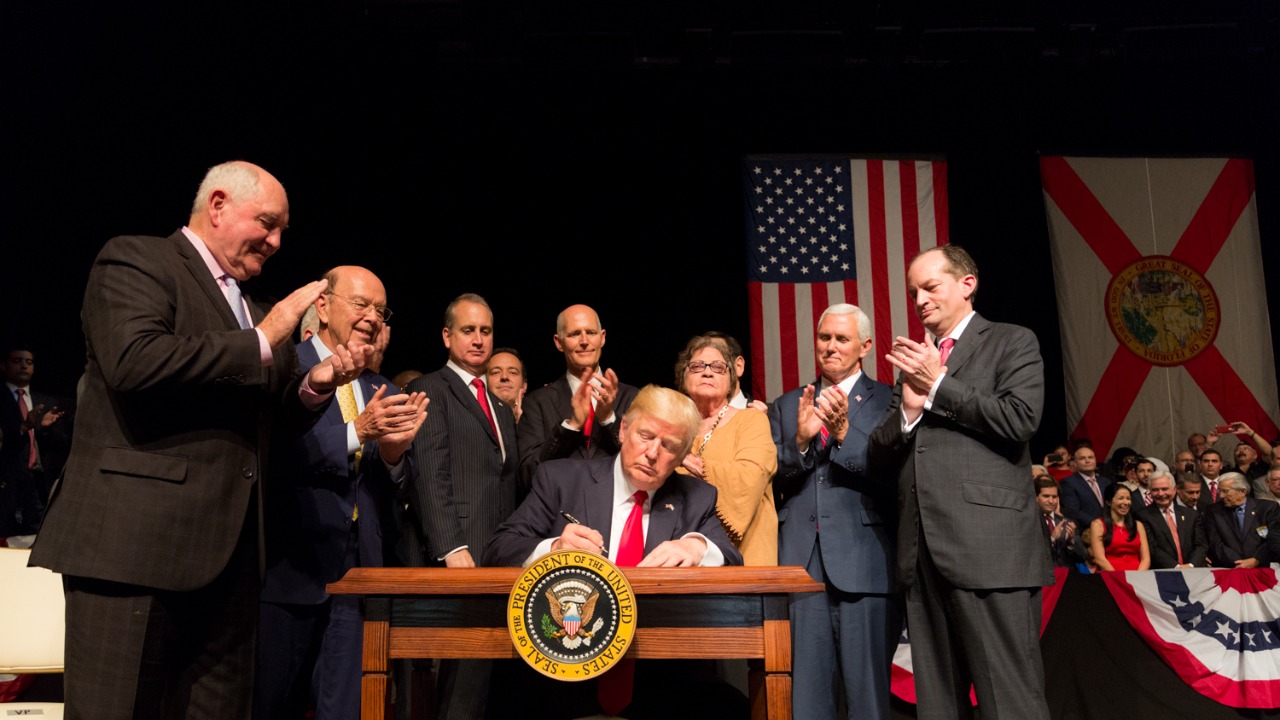
President Donald Trump has abruptly paired threats of economic strangulation with the suggestion that Washington might strike a fresh bargain with Havana. After tightening pressure on the island’s energy lifeline, he now says the United States is speaking with senior Cuban figures and could “help” the country if it accepts a new understanding. The shift raises the prospect of a hard‑edged negotiation in which sanctions and oil leverage frame any potential deal.
The emerging approach comes as the White House brands Cuba a security threat while Cuban leaders insist they will not be dictated to by their northern neighbor. Between those dueling narratives lies a familiar question in hemispheric politics: whether confrontation can be converted into a transactional opening, or whether it simply deepens a standoff that has defined relations for decades.
Talks with the “highest people” and a nation “in bad shape”
The president has signaled that his administration is “starting to talk to Cuba,” describing contacts with what he called the “highest people” in the country’s leadership. In public remarks, he has framed those conversations as the early stages of a possible arrangement, saying the United States may “make a deal” if Cuban authorities are prepared to change course. His comments suggest that any such understanding would be highly personalized, centered on direct engagement with top figures in Cuba rather than a broader institutional reset.
Trump has also painted a bleak picture of the island’s condition, calling Cuba a “failing nation” and saying it is in “bad shape” economically. In a video clip, President Donald Trump says he is willing to “help Cuba” by making a deal, adding that “we’ll see what happens” with the “people in Cuba.” In a separate recording, he stresses that “we’re starting to talk to Cuba” and links those talks to concerns about how “a lot of people that live in our country are treated very badly by Cuba,” underscoring that any prospective agreement would be framed as a response to human rights and security grievances rather than a simple economic opening.
Maximum pressure through oil and a declared emergency
The diplomatic hints arrive in parallel with a sharp escalation in economic coercion, particularly around energy supplies. Trump has moved to cut the island’s access to foreign fuel, targeting shipments that pass through regional partners and warning that those who help keep Cuban refineries running could face penalties. Reporting on the administration’s strategy notes that officials see the country’s dependence on imported oil as a key vulnerability, especially where Mexico and other suppliers are concerned, and that the White House believes it can use that pressure to force Havana to reconsider its regional alliances.
The oil squeeze is nested inside a broader legal and security framework that the administration has recently put in place. In a presidential action, the White House formally addressed what it called “threats to the United States by the government of Cuba,” laying out new authorities to respond to perceived dangers to American security and foreign policy interests. The order, published by the White House, builds on a fact sheet that described the effort as “CONFRONTING THE CUBAN REGIME: Today,” and asserted that the government in Havana poses risks that justify a national emergency under U.S. law. That fact sheet, issued in Jan, explicitly framed the campaign as necessary to protect American security and foreign policy.
Cuban defiance, regional optics, and the rush to refuel
Cuban leaders have responded with a mix of defiance and conditional openness. President Miguel Díaz‑Canel has been quoted in coverage shared by Masum under the banner “Cuba Defies Trump: ‘No One Dictates What We Do’,” signaling that Havana will not accept terms it sees as infringing on sovereignty. At the same time, Cuban officials have rejected U.S. accusations that their government represents a security threat, insisting that they do not endanger American territory or interests. In statements carried from Havana, authorities say they are ready for “constructive engagement” with Washington even as they denounce what they describe as attempts at “domination of the Western Hemisphere.”
On the ground, the pressure campaign has already produced visible anxiety. As new U.S. measures were announced, Residents in Cuba rushed to refuel their vehicles, fearing that additional tariffs and restrictions on oil shipments would translate into shortages and longer lines. A separate account by AFP News notes that Trump spoke of talking to the “highest people” in Cuba while those same residents scrambled to secure gasoline, highlighting the gap between elite negotiations and daily life. Regional coverage has also emphasized that close U.S. allies are watching carefully, wary that the oil squeeze could spill over into broader tensions involving Mexico and other suppliers.
What a “deal” might mean for leverage, allies, and Cuban society
Behind the rhetoric lies a calculated bet that pressure will bring Havana to the table on Washington’s terms. Analysts of the administration’s strategy argue that officials believe they can force the Cuban government to reconsider its support for allied foreign powers by tightening sanctions and targeting energy flows. One assessment notes that, in late January, Wall Street Journal reported that President Donald Trump’s team sees the oil campaign as a way to impose costs on an “allied foreign power” that relies on Cuban cooperation. Another analysis of President Donald Trump and Mexico’s role in supplying oil to Cuba underscores that the White House is willing to lean on partners to restrict flows, effectively turning energy logistics into a diplomatic weapon.