
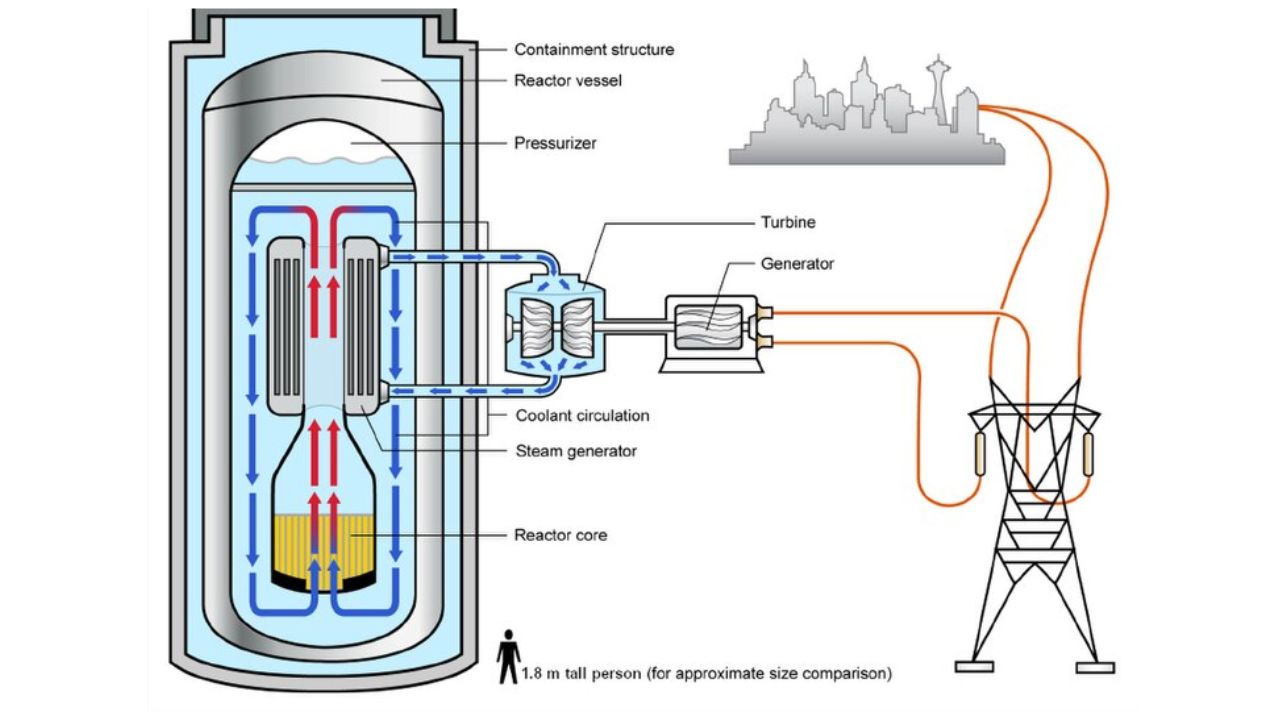
Compact nuclear reactors are emerging as a promising solution for powering remote bases, offering reliable and sustainable energy where traditional power sources fall short. As advancements in technology make these reactors more feasible, their potential to revolutionize energy infrastructure in isolated locations is garnering significant attention.
The Need for Reliable Energy in Remote Locations
Remote locations, often characterized by their isolation and extreme climates, face significant challenges in maintaining a stable energy supply. Traditional energy sources like diesel generators are frequently used but come with limitations such as high fuel transportation costs and environmental concerns. Renewable energy options, while more sustainable, often struggle with reliability and storage issues in these environments.
The strategic importance of ensuring continuous and dependable power cannot be overstated, especially for military and scientific outposts. These installations require a consistent energy supply to support critical operations, ranging from research to communication and security. As a result, finding a reliable power solution has become paramount for these remote bases, driving interest in compact nuclear reactors.
Advantages of Compact Nuclear Reactors
Compact nuclear reactors offer several advantages over traditional energy sources. Their efficiency and longevity significantly outpace that of diesel generators, providing a stable and long-term power solution. The environmental benefits are equally compelling, with these reactors producing a much lower carbon footprint compared to fossil fuel-based alternatives.
Safety has always been a primary concern with nuclear energy, but modern compact reactors incorporate enhanced safety measures and technological innovations designed to address these issues. These reactors are equipped with passive safety systems that allow them to shut down safely without human intervention in the event of an emergency, significantly reducing the risk of accidents.

Technological Innovations and Development
Recent advancements in compact reactor design have made them more viable for deployment in remote locations. Innovations such as modular construction allow for easier transportation and assembly, making it feasible to install these reactors in areas that are difficult to access. Countries like the United States and Russia are leading the charge, with companies such as NuScale Power and Rosatom investing heavily in the development of small modular reactors (SMRs).
Successful implementations provide promising case studies. For instance, in 2020, the Akademik Lomonosov, a floating nuclear power plant developed by Rosatom, began operations in the remote Russian region of Chukotka. This project demonstrated the potential of compact reactors to supply energy in challenging environments, paving the way for future projects worldwide.
Future Prospects and Challenges
The potential for widespread adoption of compact nuclear reactors is significant, with the prospect of integrating them into existing energy systems. However, several challenges remain, including regulatory, political, and public perception hurdles. The nuclear industry must navigate complex regulations and gain public trust to facilitate broader acceptance of these technologies.
Opportunities for international collaboration and technology sharing are emerging as key drivers in advancing the deployment of compact nuclear reactors. By working together, countries can leverage shared expertise and resources to overcome the challenges associated with this innovative power source, ultimately enhancing energy security and sustainability in remote locations worldwide.