
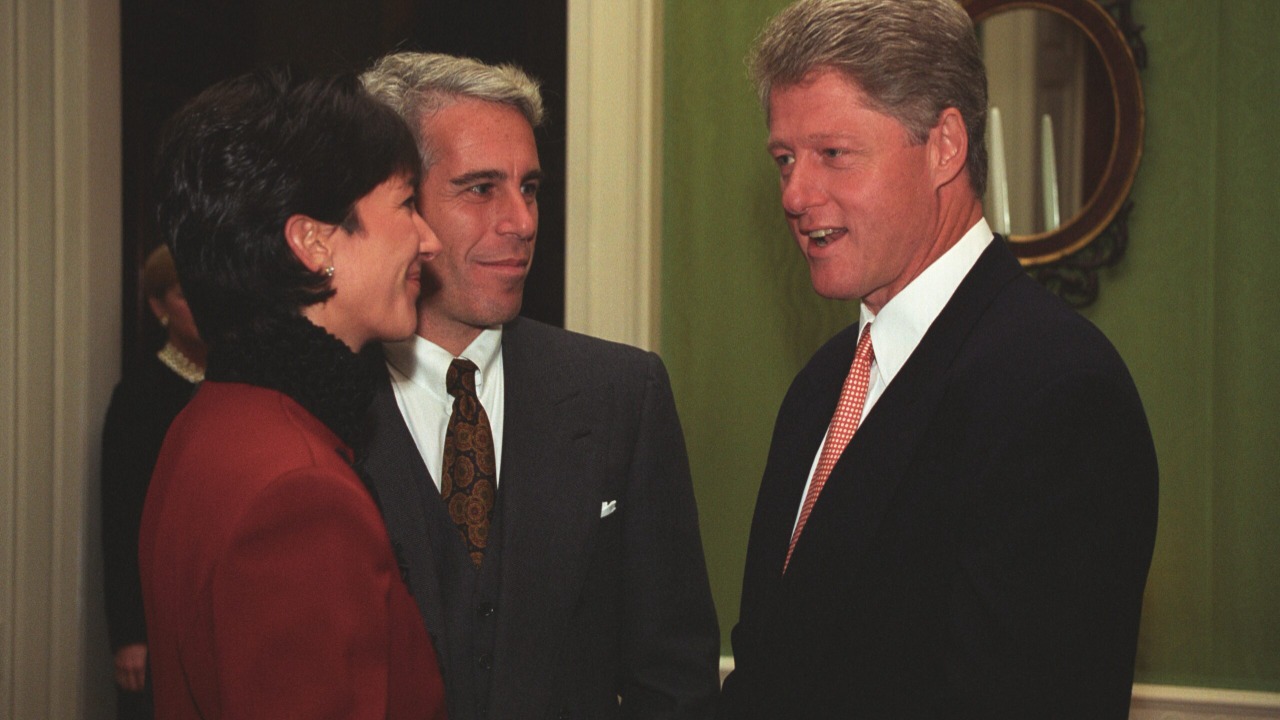
Former President Bill Clinton recently testified before a House panel, stating that he never witnessed any inappropriate behavior by Jeffrey Epstein. Clinton’s testimony is part of an ongoing investigation into the late financier’s activities and associations with high-profile individuals. This testimony prompts an examination of the context and implications of Clinton’s statements.
Background on Clinton’s Relationship with Epstein
Bill Clinton’s interactions with Jeffrey Epstein have been the subject of much speculation and scrutiny. It is well-documented that Clinton traveled on Epstein’s private jet several times, with records indicating at least 26 flights. These trips reportedly occurred between 2001 and 2003, a period when Clinton had left the White House and was active in charitable and speaking engagements. The itineraries included destinations such as Africa and Asia, ostensibly for philanthropic work.
Despite these interactions, Clinton has maintained that his relationship with Epstein was purely social and professional. In the past, Clinton has issued statements through his spokespersons, asserting that he knew nothing of Epstein’s alleged criminal activities. His representatives have emphasized that Clinton had only a limited acquaintance with Epstein, largely centered around mutual interests in philanthropy and global initiatives. This stance has been consistent despite the growing public and legal scrutiny of Epstein’s network and the connections it fostered with influential figures.
Details of Clinton’s Testimony
During his recent testimony before the House panel, Clinton reiterated his position, stating that he never witnessed any misconduct by Epstein during their encounters. He emphasized that his interactions with Epstein were infrequent and always in a public or professional setting. Clinton’s testimony aimed to distance himself from the more unsavory aspects of Epstein’s life, suggesting that he was unaware of the activities that led to Epstein’s eventual arrest and subsequent death.
Clinton’s insistence on his lack of knowledge regarding Epstein’s misconduct is significant, given the broader investigation into Epstein’s network. This network included numerous high-profile individuals, some of whom have been accused of being complicit in or turning a blind eye to Epstein’s activities. The credibility of Clinton’s testimony is critical, as it could influence public perception and the direction of the ongoing investigation.
Reactions and Responses
The reactions to Clinton’s testimony have been varied and reflect the complex nature of the Epstein investigation. Some lawmakers have expressed skepticism, questioning the plausibility of Clinton’s claims given his documented association with Epstein. Others have called for further investigation to corroborate Clinton’s statements, highlighting the need for transparency and accountability in the investigation.
Media coverage of Clinton’s testimony has been extensive, with many outlets focusing on the implications of his statements. Public opinion appears divided, with some viewing Clinton’s testimony as a strategic move to distance himself from the scandal, while others see it as a genuine attempt to clarify his involvement. The testimony has undoubtedly added another layer to the narrative surrounding Epstein’s connections and the scrutiny of those who interacted with him.
Legal and Political Implications
Clinton’s testimony could have significant legal and political ramifications, particularly for ongoing proceedings related to Epstein’s activities. If Clinton’s statements are found to be credible, they could absolve him of any legal responsibility or complicity in Epstein’s crimes. However, if inconsistencies or contradictions emerge, Clinton may face further scrutiny and potential legal challenges.
Politically, Clinton’s testimony may impact his legacy and influence within the Democratic Party. While Clinton is no longer active in politics, his reputation and the reputations of those associated with him could be affected by the outcome of the investigation. Furthermore, the testimony could have broader implications for how political figures are held accountable for their associations and actions, particularly in cases involving criminal misconduct.
Future Developments in the Epstein Investigation
The Epstein investigation is ongoing, with numerous individuals and entities under scrutiny. Lawmakers and investigators continue to explore the extent of Epstein’s network and the activities it facilitated. Clinton’s testimony represents just one facet of a complex and multifaceted investigation, and its impact will depend on the findings that emerge in the coming months.
Speculation abounds regarding the potential next steps for lawmakers and investigators. Some anticipate further testimonies from high-profile figures, while others expect new revelations about Epstein’s activities and connections. The investigation’s long-term impact on public trust and the accountability of influential individuals remains to be seen, but it is clear that the Epstein case will continue to be a focal point of public and legal attention.