
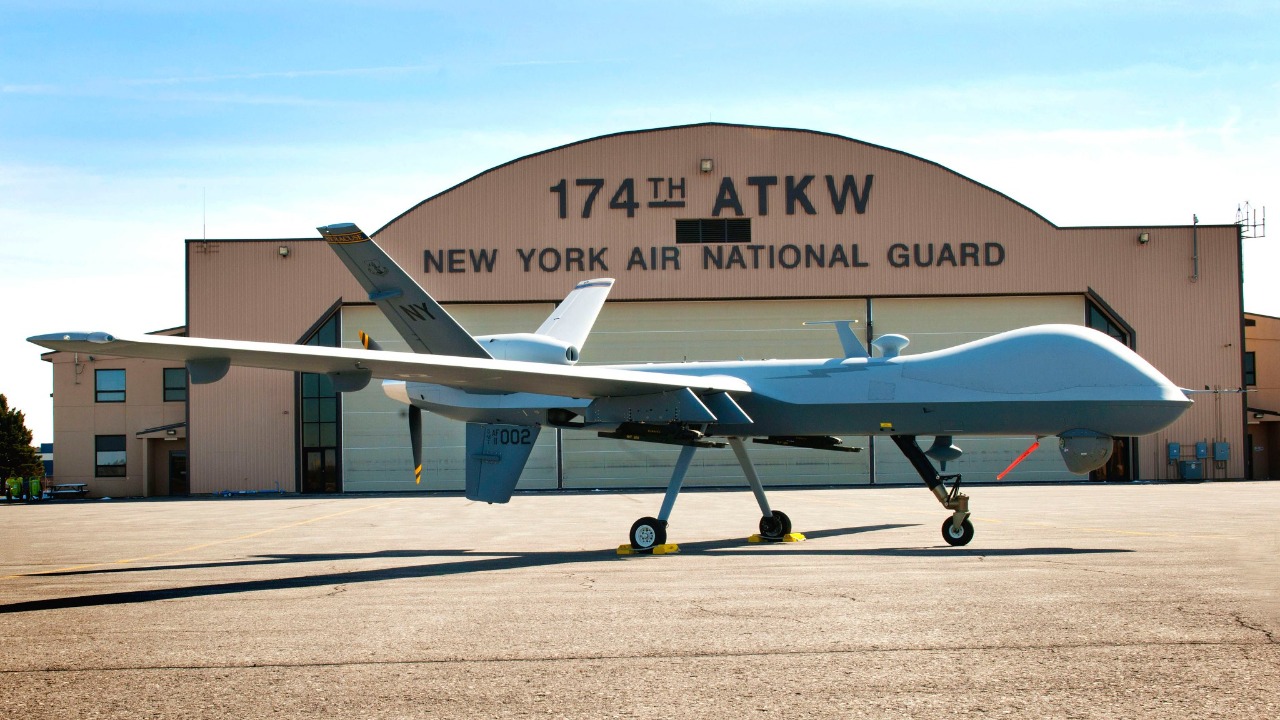
The first covert strike on a Venezuelan narcotics hub by the Central Intelligence Agency marked a sharp turn in how Washington now prosecutes the drug war in Latin America. A single drone attack on a remote dock used by traffickers on the Caribbean coast signaled that the United States is prepared to hit cartel infrastructure inside Venezuela with precision weapons rather than rely only on interdictions at sea or quiet arrests abroad. I see that opening shot as the hinge between a long era of proxy pressure and a new phase of direct, deniable force.
The first covert hit on a Venezuelan narco hub
The operation that set this shift in motion targeted a secluded port facility on the coast of Venezuela that intelligence officials had tied to a major trafficking network. According to accounts from officials familiar with the mission, The CIA carried out a drone strike earlier in December against that dock, which had been used to load cocaine shipments onto fast boats bound for the Caribbean and the United States. The attack destroyed key infrastructure at the site and killed several suspected traffickers, but it was calibrated to avoid a wider blast radius that might have hit nearby fishing communities.
Officials in Washington framed the strike as a limited action against a criminal enterprise rather than an act of war against Venezuela. Reporting on the mission described it as a covert attack on a Venezuelan port, with U.S. personnel hitting a remote dock that was believed to be used by the Vene drug organization to move product out of the country. I read that choice of target as deliberate: it hit a node that mattered to traffickers, but it sat far from dense urban areas where civilian casualties would have been harder to avoid.
From secret strike to open campaign
What began as a single covert hit did not stay isolated for long. Within days, analysts were already treating the drone attack as a prelude to a broader intervention that would eventually include large scale air operations and special forces raids across Venezuela. Later reporting on the same coastal strike noted that a U.S. drone had hit a Venezuelan port facility, with local residents describing explosions and fires at a dock that had long been associated with smuggling and violent crime, including robberies and piracy. That pattern of activity is exactly what made the site a logical first target in a campaign that Washington insisted was about law enforcement rather than regime change.
As the tempo of operations increased, the United States shifted from covert action to overt military strikes that it publicly acknowledged. The 2025–2026 operations are now described as a coordinated series of U.S. attacks on Venezuela, including raids that led to the capture of senior figures in the Maduro government and the dismantling of several drug trafficking hubs. I see the initial CIA strike as the test case that showed the White House that it could hit targets on Venezuelan soil with limited blowback, which in turn made a larger, more visible campaign politically possible.
Hellfire fragments and the question of escalation
As more strikes followed, physical evidence on the ground began to reveal details about the weapons and platforms involved. Analysts who examined debris from later attacks on alleged drug sites in Venezuela reported that missile fragments pointed to the use of an MQ, with markings consistent with an MQ, Reaper Drone Carried. Those fragments also indicated that AGM, 114 Hellfire type munitions had been used in at least some of the raids on suspected traffickers. That level of forensic detail matters because it ties the campaign to specific U.S. military capabilities rather than generic unmanned aircraft.
It is important, however, to separate what can be confirmed about the broader campaign from what is known about the very first CIA hit on the coastal narco hub. The available reporting on that initial port strike identifies it as a drone operation by U.S. personnel but does not specify the exact model of aircraft or the missile type used, so any claim that the first attack itself involved AGM, 114 Hellfire rounds or a particular MQ platform would be unverified based on available sources. What is clear is that the same family of precision guided weapons later appeared at other Venezuelan sites, including a trio of alleged drug hubs where missile fragments were recovered, which suggests a continuity of tactics even if the exact loadout on the first sortie remains unverified for that opening shot.
From Maduro’s fall to a regional narco chessboard
The covert campaign against traffickers soon merged with a much more dramatic political outcome. After U.S. forces expanded their operations, they captured Nicol, Maduro, raising immediate questions about whether the United States was now at war with Venezuela and whether the move was legal under international law. In the early hours of January 3, the U.S. military launched a coordinated bombardment of key targets in Caracas, while other forces moved to secure strategic sites across the country. That sequence of events turned what had been framed as a focused anti narcotics effort into a full scale confrontation with a sovereign government.
President Donald Trump and Secretary of State Marco Rubio publicly framed the January operation as a law enforcement mission aimed at organized crime, insisting that traffickers had effectively hijacked the Venezuelan state and were moving drugs toward the US against their will. At the same time, U.S. forces were striking other alleged drug trafficking boats near Venezuela, with one report describing a hit that killed four suspected smugglers and was announced as BREAKING, NEWS and DEVELOPING by local outlets that also cited a SECRETARY level briefing. The geography of the conflict stretched from the capital to coastal hubs like La Guaira, inland cities such as Maracaibo, and strategic facilities like the port complex at Fuerte Tiana, where Chairman of the Joint Chiefs of Staff, General Dan Caine, said the operation involved more than 150 aircraft launched for the strikes at that site. Earlier covert moves, including reports that Inside Trump had ordered a secret Xmas Eve hit on Maduro’s drug regime using a CIA, Reaper, now look less like isolated gambits and more like the opening moves in a regional narco chessboard that began with a single CIA Hellfire style strike on a quiet Venezuelan dock.