

Handgun and rifle cartridges are supposed to make training easier, not feel like a CrossFit workout for your wallet, wrists, and patience. Yet a surprising number of popular rounds turn routine practice into an expensive, punishing chore that quietly sabotages skill building. When cost, recoil, and scarcity pile up, shooters train less, flinch more, and end up worse with “more powerful” gear than they were with something modest and manageable.
I have watched plenty of shooters, including myself, fall into the trap of chasing impressive ballistics instead of practical performance. The pattern is predictable: buy a spicy cartridge, shoot it a little, hate the recoil and price, then let the gun hibernate in the safe while skills stagnate. The problem is not enthusiasm, it is choosing cartridges that make practice harder than it needs to be.
When recoil turns training into punishment
The fastest way to ruin a practice habit is to pick a cartridge that hurts to shoot. Recoil does not just sting, it changes behavior. When a round is too lively, shooters start anticipating the blast, yanking the trigger, and dipping the muzzle, which is the opposite of what any defensive or hunting practice is supposed to teach. Expert guidance on defensive ammunition is blunt about this: “Recoil Don’t select a round with excessive recoil. It will deter you from training, and make it more difficult to keep your muzzle…” under control. If every magazine feels like a dare, you will not put in the repetitions that build smooth draws, clean presses, and consistent follow through.
History is full of cartridges that looked great on paper and terrible on the firing line. The 10mm Auto is a classic example. It offered serious power, but the FBI eventually walked away from it because “Recoil” was too much for many agents, and the round’s hard hitting reputation came with a major drawback for most shooters. The same pattern shows up with heavy magnum revolver rounds. The .44 Magnum was once marketed as the most powerful handgun option in the world, and modern loads still deliver serious energy, but that power comes with a sharp kick that many people simply will not practice with regularly. When a cartridge’s main personality trait is “intimidating,” it is usually a poor training partner.
Big power, tiny practice budget
Even if your wrists are made of optimism and stubbornness, your bank account may not be. Cost is one of the biggest barriers to any kind of training, and ammunition is no exception. Research on workplace training notes that “Small” organizations often cite cost as the main obstacle to providing consistent development, and the same logic applies at the range. If every trigger press feels like swiping a credit card, you will ration shots, skip drills, and quietly downgrade your goals from “weekly practice” to “maybe next month.”
High performance cartridges magnify this problem. Precision long range rounds, boutique hunting calibers, and niche magnums often cost several times more per shot than common training options. Match grade loads like Nosler RDF Match Grade 6mm Creedmoor 105 grain HPBT can sit around $37 per box, which adds up quickly when you are trying to build a real practice routine. Even in the handgun world, premium defensive loads in powerful calibers tend to be far pricier than standard pressure 9 mm practice ammunition. Guides on handgun cartridges point out that mainstream rounds like 9 mm have benefited from modern advancements and mass production, which keeps prices relatively sane compared with exotic or oversized options. When you can buy three boxes of a common caliber for the price of one box of a specialty round, the “cool” choice starts to look like a training tax.
The cult of overkill calibers
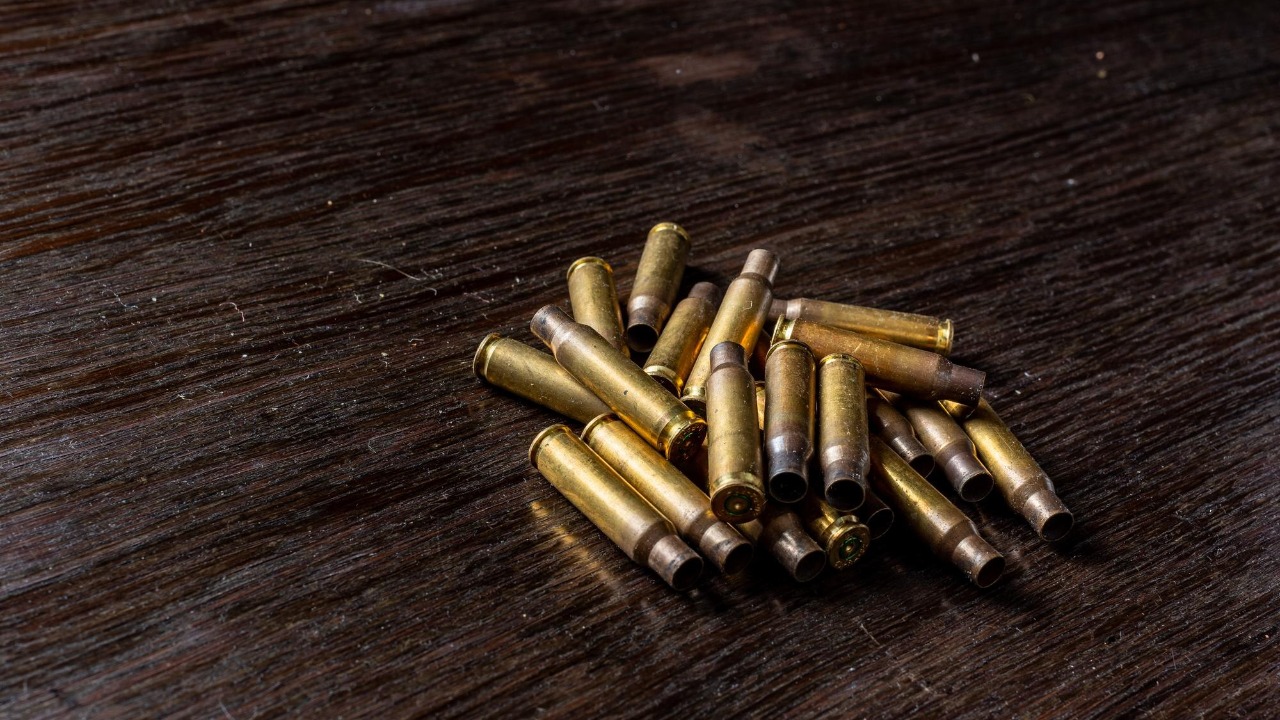
Some cartridges are not just expensive and punchy, they are also more capable than most shooters will ever need for their actual use cases. That mismatch quietly sabotages practice. Take heavy hunting rounds like the 45 70 or big bore revolver cartridges that were designed for large game or specific field conditions. Comparisons between 45 70 and more moderate options like 30 30 emphasize that the larger round offers more power and is ideal for bigger game, while the smaller option has less recoil and is easier to shoot accurately. For a hunter who spends most of the year punching paper or steel, the softer shooting cartridge is far more likely to see regular use, which means better marksmanship when it matters.
The same dynamic shows up in handguns. The .44 Magnum has a legendary reputation, and guides that “Shop .44 Magnum Ammo The . 44 Magnum was once touted as the most powerful cartridge in the world. Since” its introduction, it has been associated with serious stopping power. That is impressive, but it does not change the fact that most defensive scenarios are better served by a cartridge you can control under stress and practice with often. Expert advice on self defense calibers repeatedly circles back to recoil and shootability as primary factors, not raw energy. When shooters pick something oversized “just in case,” they often end up with a gun that is too unpleasant to train with, which is a strange way to prepare for emergencies.
Training that actually builds skill
If the goal is to get better rather than just louder, the cartridge should make practice easier to repeat, not harder to endure. That usually means choosing rounds with moderate recoil, wide availability, and reasonable cost. In rifles, .22 LR is a classic example. AR 15 platforms chambered in .22 are known for low recoil and cost effective shooting, and because .22 LR is affordable, shooters can run long drills, work on positions, and refine trigger control without flinching at the price of each shot. Competitive shooters who practice smallbore disciplines talk about using official NRA targets at 50 and 100 yards for .22lr F Class, precisely because the combination of low recoil and realistic targets lets them focus on fundamentals instead of fighting the gun.
In handguns, 9 mm has become the default training and defensive cartridge for similar reasons. Guides on “Why Choose” 9 mm Ammo highlight that its dominance is not new, but modern bullet and load design have solidified its status as a balanced option. It offers manageable recoil, broad availability, and a huge range of practice and defensive loads, which means shooters can afford to train regularly with ammunition that behaves similarly to what they carry. Self defense experts stress that firing a controllable round accurately is better than launching a powerful one wildly, and that principle shows up in every serious discussion of handgun training. When the cartridge helps you stay on target, you can spend your mental energy on grip, sight picture, and movement instead of bracing for impact.
Smarter shortcuts: dry fire and laser trainers
Even with sensible cartridges, live fire is only part of the training picture. Dry fire practice, especially with modern tools, can dramatically reduce how much you need to spend on ammunition while still improving performance. Laser training cartridges that fit into your existing firearm let you practice trigger control, sight alignment, and draw strokes at home. Reviews of Enhanced Dry Firing at Home with Laser Training Cartridges Tabletop Review describe how these devices turn ordinary dry fire into a feedback rich session, with visible hits and structured drills. Instead of burning through boxes of ammunition to diagnose a flinch, you can see your errors in the living room, then confirm your progress with a smaller amount of live fire.
The same logic that applies to strength training applies here. Coaches who write about performance warn that when “You” pile on heavy loads and “When” you chase intensity at the expense of technique, you start to hamper skill and efficiency gains. Shooting is no different. If every range trip is a contest to see how much recoil you can tolerate, you are training your pain threshold, not your marksmanship. A smarter approach is to use low recoil, affordable cartridges for most repetitions, layer in dry fire and laser tools to multiply those reps, and reserve the heavy hitters for occasional confirmation and specific hunting or defensive roles. That way, the cartridge serves the training plan instead of dictating it.
Cartridges that are too powerful, too expensive, or too scarce turn practice into a special event instead of a routine. The shooters who progress the fastest are usually the ones who pick rounds they can afford to shoot often, that do not beat them up, and that match their real world needs. The rest of us can keep our overkill calibers for stories and special occasions, and let the humble, boring cartridges quietly do the hard work of making us better.