

Carry pistols have a funny way of turning into display pieces, the firearm version of that vintage sports car that never leaves the garage. The guns are technically “defensive tools,” yet a surprising number spend 99.99% of their lives in padded cases, wiped with oil and admired from a safe distance. I want to look at why some pistols drift into that safe-queen status, and why a few of them probably deserve to stay there while others really should be riding in a holster instead of posing for glamour shots.
What “safe queen” really means when you actually own one
When I call a pistol a safe queen, I am not just being cute, I am describing a gun that has quietly crossed the line from tool to trophy. Owners often talk about these firearms as pieces with collectible or sentimental value, the sort of thing you open the safe to admire rather than to zero or clean after a long training day. One shooter summed it up as a gun that lives in storage 99.99% of the time, which is a brutally accurate way to describe the pistol that only comes out for photos and the occasional fondling session, not for regular carry or practice, and that mindset shows up again and again when people define a safe queen.
Once a pistol gets that label, the owner’s behavior changes in predictable ways, and I have been guilty of all of them. The gun gets babied, carried in plush cases, and handled like a Fabergé egg, even if it started life as a duty-grade workhorse. Enthusiasts talk about firearms that are “too beautiful to carry,” the kind of piece that feels “too absolutely beat u…” to risk on a rough day, and that logic is exactly how a perfectly capable handgun becomes the firearm that never leaves the safe, a true safe queen by habit rather than by design.
From workhorse to wallflower: how carry guns become safe queens
The slide into safe-queen territory usually starts with good intentions and a little too much affection. I have watched people buy a solid carry pistol, shoot it enough to fall in love, then slowly convince themselves it is “too nice” for sweat, lint, and daily abuse. One popular gripe video walks through exactly this scenario, using a nice 1911 as the poster child for the gun that looks so sharp in the safe that the owner hesitates to holster it, even though it was built to be carried and shot hard, and that hesitation is how a practical pistol becomes a safe queen.
Sometimes the transformation is driven by price and scarcity rather than vanity, and I have felt that tug too. A shooter might start with a modest carry gun, then upgrade to something like a P365XL that “isn’t exactly cheap,” only to realize there are other firearms in the safe worth even more, and those higher-value pieces quietly get promoted to “look but do not touch” status. In one discussion, the owner admitted having “a lot of firearms that are worth a lot more” than the new carry pistol, and that gap in value is exactly what nudges the expensive ones into the role of safe queens that never see a holster.
Beauty, nostalgia, and the “beast in a cage” problem
Underneath the jokes about pampered pistols, there is a real emotional pull that keeps some guns locked away, and I am not immune to it. Collectors talk about firearms that carry family history or mark a milestone, and those pieces feel more like heirlooms than hardware, which makes every scratch feel personal. One shooter described a safe queen as a gun with “collectible or sentimental value,” and that phrase captures why people will happily let a cheaper polymer pistol take the daily abuse while the meaningful piece stays in the back of the safe, preserved as a memory rather than a tool.
At the same time, there is a nagging sense that locking up a capable firearm is like keeping a “beast in a cage,” as one commenter put it, and I feel that tension every time I close the safe on a gun that shoots better than what I actually carry. Another shooter described having “Tools” in the safe that are part of an outdoor life, with some rifles and pistols treated as working gear while others are effectively retired to the role of showpiece, and that split between tools and trophies is exactly where the safe-queen debate lives for people who hunt, compete, or carry a lot.
Reliability, reputation, and why some queens should stay in the castle
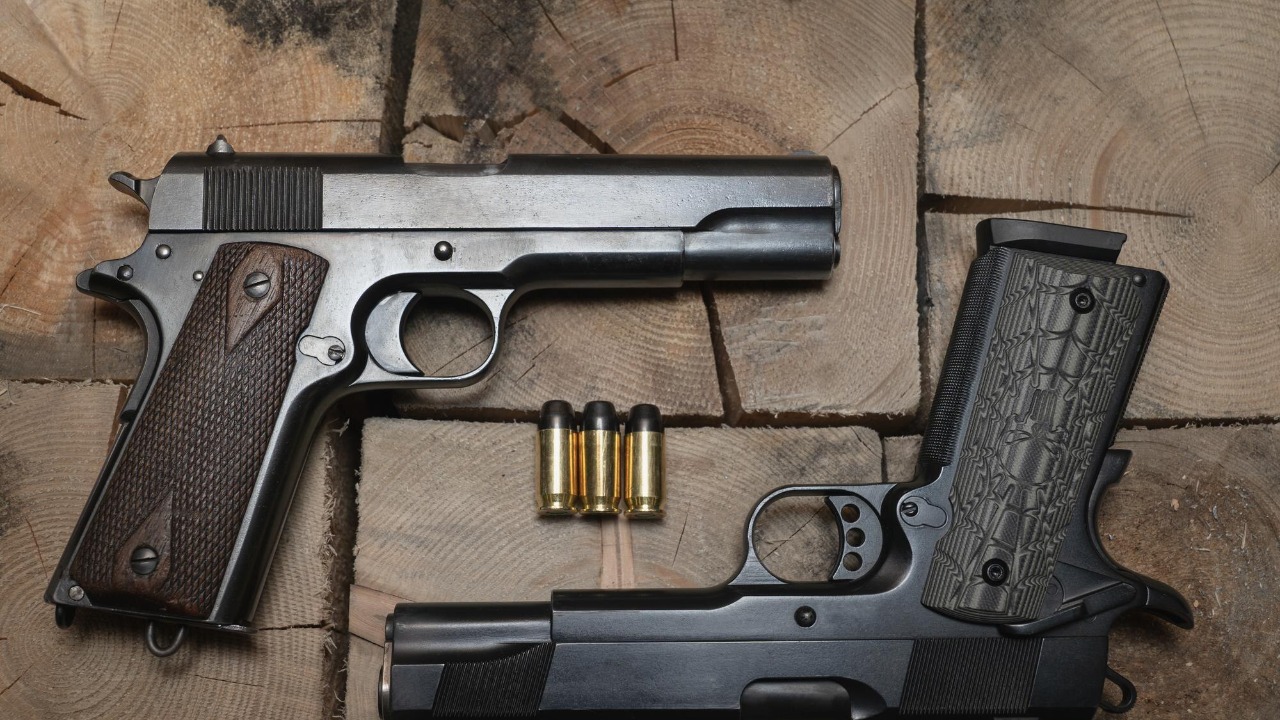
Not every pistol that lives in the safe is there because it is too pretty, some are there because their reputation makes people nervous about trusting them with real stakes. The 1911 is a classic example, a design that inspires devotion and eye-rolling in equal measure, and owners sometimes worry about issues like jamming or finicky ejectors when they think about carrying one. One blunt assessment put it this way, “You are right to be concerned about such things,” before pointing out that the 1911 is “notorious for jamming frequently,” with concerns focused on parts like the ejector and the fit between the barrel and the slide, and that kind of commentary is exactly how a gorgeous 1911 ends up as a display piece instead of a daily companion.
On the other side of the safe, there are pistols that have earned a reputation for reliability and concealability, and those tend to get carried until the finish wears thin. In one discussion about concealed carry standouts, people pointed to The Sig Sauer P365 and the Springfield Armory Hellcat as the most common choices, a sign that compact, high-capacity pistols with solid track records are more likely to live in holsters than in velvet-lined trays. When I look at my own rotation, the guns that have proven themselves in classes and on the range are the ones I trust on my belt, while the more temperamental or finicky pieces quietly drift into semi-retirement even if they look better and cost more.
When carrying the “nice gun” actually makes sense
For all the hand-wringing about scratches and holster wear, there is a strong case for putting your best pistol into service instead of leaving it to age gracefully in the dark. People who talk about safe queens often admit that some guns are simply “too beautiful to carry,” yet they also concede that a firearm built with better ergonomics, cleaner triggers, and more reliable parts is exactly the sort of thing you want in your hand when life goes sideways. One shooter framed it as a choice between a gun that is “too absolutely beat u…” to risk and the reality that a defensive pistol is supposed to be a tool, not a museum piece, and that tension is what keeps me eyeing the nicer guns in my safe as potential carry candidates instead of permanent ornaments.
There is also a broader context that makes the safe-queen habit look a little silly when you zoom out. Discussions of gun violence often point to feelings of safety and fear as drivers of why people arm themselves, noting that those who struggle with stress or insecurity may see a gun as a protective measure, and that logic does not care whether the pistol has a flawless finish or a few dings. If the point of owning a defensive handgun is to feel prepared in a world where fear and risk are real, then locking your most capable firearm in the safe while you carry something cheaper starts to look like a fashion decision, not a safety strategy, especially when concerns about safety are the reason you bought the gun in the first place.
Making peace with the queens in your own safe
At some point, every gun owner has to decide which pistols are tools and which are trophies, and I have learned to be honest about that split instead of pretending every gun is “for carry.” Some firearms really are better off as safe queens, whether because they are rare, deeply sentimental, or mechanically quirky enough that trusting them with your life would be an act of faith rather than judgment. Enthusiasts joke about “Nothing worse than a beast in a cage,” yet the same conversation admits that whether a gun should be caged “kinda depends” on what it is and how you use it, and that nuance is exactly how I justify keeping a few pistols as showpieces without feeling guilty.
For the rest of the collection, the rule is simple and a little ruthless: if a pistol is reliable, shootable, and replaceable, it belongs in the carry rotation, not on a velvet pillow. I still enjoy opening the safe and admiring the “Tools” that have earned their place, but I try to remember that a gun that never leaves the safe is not protecting anything except its own finish. The trick is to let a few true queens reign in the back of the safe while the rest of the pistols get scuffed, sweated on, and used like the working gear they were built to be, even if that means the prettiest gun in the house ends up with the ugliest holster wear, a fate that would make any self-respecting workhorse proud.