
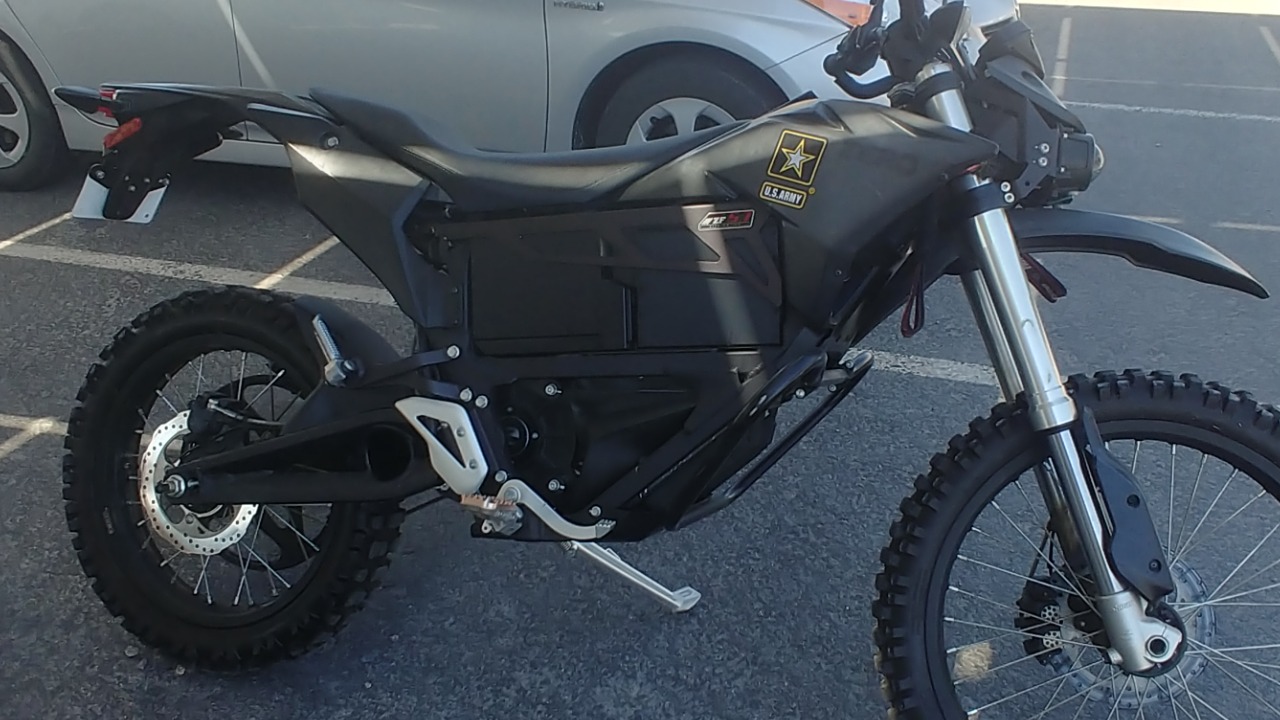
Canada is backing a new all-electric tactical motorcycle, the NorthForge Dispatch, as part of a broader effort to secure homegrown equipment for modern conflict zones. The project aims to give Canadian and allied forces a quiet, low‑maintenance vehicle that can operate in Arctic cold, desert heat and dense urban environments, while also anchoring more defence manufacturing inside Canada’s borders.
Rather than adapting a civilian bike for service, NorthForge is positioning the Dispatch as a purpose-built military tool, emphasizing stealth, survivability and ease of support in the field.
From startup to sovereign supplier
The company behind the project, NorthForge, describes itself as a Canadian light utility manufacturer that designs purpose-built mobility for defence, security and extreme environments. Its inaugural product is the Dispatch, an all‑electric motorcycle developed specifically for military forces rather than recreational riders.
Earlier this year, Canadian defence outlet coverage introduced NorthForge as a new company founded to deliver a sovereign, all‑electric light tactical platform. Social media posts promoted the project with the hashtag #CanadianDefence, underscoring the political appeal of a domestic supplier.
Industry reporting frames NorthForge’s Dispatch as a “Made‑in‑Canada” answer to the mobility needs of modern asymmetric warfare, with particular reference to lessons learned in places like Afghanistan and Ukraine that were highlighted in recent analysis. The goal is not only operational performance but also tighter supply chain control and industrial benefits at home.
Alignment with Canada’s defence industrial strategy
The Dispatch fits neatly into Canada’s stated ambition to treat defence procurement as a tool for “security, sovereignty, prosperity.” Ottawa’s industrial strategy for the sector stresses that defence projects should strengthen domestic capability and deliver economic value inside the country, a theme spelled out in official guidance on security, sovereignty, prosperity.
NorthForge’s own messaging mirrors that language, presenting the Dispatch as a sovereign platform designed, tested and supported in Canada. A profile of the project described NorthForge as “THE RIGHT COMPANY AT THE RIGHT MOMENT,” and highlighted the plan to “Build Sovereign All Electric Tactical Motorcycle” capability that can survive harsh climates and modern asymmetric conflict, as outlined in a detailed feature.
That framing matters for procurement officials who have been urged to prioritize Canadian firms when possible. By offering a platform tailored to Arctic and desert conditions, NorthForge is presenting itself as a supplier that can support both domestic missions and allied deployments abroad.
Designing for extreme climates and quiet operations
Photographs and technical descriptions of the Dispatch show a stripped‑back, utilitarian machine with a focus on durability and thermal management. One photo series described how the tactical electric motorcycle is engineered to endure extreme climates, with a thermal range that keeps the bike functional in both Arctic and desert conditions.
One report identifies the Alberta-based firm eOutdoors Ltd. as the operator behind the project, responsible for building a defence-ready electric motorcycle designed for long deployment cycles. To simplify long‑term maintenance, NorthForge’s engineers have focused on modular components and a drive system with fewer wear parts, as described in a technical walk‑through on extreme battlefield use.
The Dispatch is also intended to be quiet and low‑signature, a core advantage of electric motorcycles in reconnaissance and special operations roles. Battery and motor placement are configured to minimize noise and heat, reducing detectability by both human observers and some sensors.
Part of a wider shift to electric military bikes
Canada’s move with NorthForge places it among a small but growing group of militaries experimenting with electric motorcycles. Commercial manufacturer Zero Motorcycles, for example, already markets a range of fleet military bikes adapted from its civilian line, which have been tested by several armed forces for base security and light patrol work.
Earlier military projects also explored hybrid motorcycle concepts. A notable example is the SilentHawk project, a hybrid-electric motorcycle developed for special forces that could run quietly on battery power or extend range using a small multi‑fuel engine. Coverage at the time described how the SilentHawk motorcycle aimed to combine stealth with long‑distance capability for remote missions.
NorthForge is taking a different path by committing to a fully electric, sovereign platform from the outset. Reporting on Canada’s decision to pursue its own domestic military electric motorcycle notes that the Dispatch is intended to address “modern military two‑wheeler” requirements that emerged from operations in Afghanistan and Ukraine, as detailed in Canada developing its own platform. Those requirements include rapid mobility in cluttered urban terrain, low acoustic signatures near front lines and vehicles that can be sustained in austere forward locations.
NorthForge’s own site reinforces that the company is focused on defence and commercial use in extreme conditions, presenting the Dispatch as the first in a family of purpose-built vehicles. If the project moves from prototype imagery and early testing into large‑scale procurement, it would mark a significant step in Canada’s attempt to pair climate‑resilient technology with a sovereign defence industrial base.
For now, the Dispatch sits at the intersection of two trends: militaries searching for quieter, cleaner tactical mobility, and governments such as Canada seeking to keep more of that innovation within their own borders. Its speed of deployment and performance alongside established electric platforms like Zero’s military bikes will determine whether NorthForge secures a lasting role on the battlefield.