

Caliber names can sound like heavy metal bands, all thunder and fury, yet some of those fearsome labels hide cartridges that wilt when the stakes are real. The gap between marketing bravado and on-target performance is wide enough to drive a lifted pickup through, and hunters and concealed carriers keep discovering that the hard way. When the shot matters, the cartridges that only sound deadly are often the ones that leave you tracking wounded game or wishing you had packed something boring and effective instead.
When “dangerous game” calibers are more danger to your shoulder
Big-bore branding is catnip for the ego, but a cartridge that looks heroic on a box can be a liability once recoil enters the chat. Guides who live around animals that bite back tend to care less about the number on the headstamp and more about whether you can actually hit something twice in a row. Even where a cartridge like the 375 Ruger is treated as a legal floor for dangerous game, professional hunters often say they would rather see a client show up with a smaller rifle they can run confidently than a small cannon that turns every trigger pull into a flinch.
The problem is not raw power, it is the mismatch between what the cartridge promises and what the shooter can deliver under stress. A round that looks unstoppable on paper can underperform badly if the blast and kick make you yank shots or hesitate when a follow up is needed. That same dynamic shows up in debates over flat shooting magnums, where tables of 500 yard Drop numbers look impressive until you realize the shooter behind them is dreading every squeeze. In practice, the “lesser” cartridge that you can place precisely often outperforms the intimidating thumper that bullies you into bad form.
Handgun calibers that fail the real‑world stress test
Handgun marketing loves to sell mystique, especially around tiny pistols that promise pocket sized salvation, but some of the smallest calibers have a long track record of disappointing when lives are on the line. In the world of high stakes self defense, caliber selection really can be the difference between stopping a threat and simply annoying it, and experts keep flagging certain rounds as likely to fail when the scenario moves from the gun counter to a dark parking lot. The tongue in cheek advice to “Carry a .25 if it feels good to you, but never load it,” attributed to Late Lt Col Jeff Cooper, captures the skepticism around ultra small handgun rounds that look cute in brass but struggle to penetrate or expand reliably.
That skepticism is not limited to one quip. Analyses of handgun performance under real world stress repeatedly single out specific calibers as poor bets when you actually need them, warning that What feels manageable on the range can turn into marginal performance once adrenaline, heavy clothing, and imperfect shot placement enter the equation. Lists of handgun calibers likely to fail in defense and under real world stress tend to converge on the same theme, that In the scenarios people actually face, cartridges with minimal energy and inconsistent terminal behavior are more about comfort and marketing than about dependable stopping power.
Rifle rounds that impress on paper and disappoint on game
Rifle shooters are just as vulnerable to slick promises, especially when a new cartridge arrives with a dramatic name and glossy ads showing elk conveniently broadside at 200 yards. Some calibers sound impressive on paper and show up in rifles with aggressive branding, yet on actual game they leave a lot to be desired. Hunters who spend their seasons behind the glass keep calling out specific rounds that underperform when it matters most, noting that Choosing the right caliber is not about what looks good in a catalog but about what you can count on when performance truly counts.
That gap between hype and reality shows up in several flavors. There are rifle calibers hunters say underperform, where the real world stories involve poor penetration or erratic wound channels despite confident pre season talk. There are overhyped rifle calibers that disappoint in real use, the ones that promise long range dominance but prove finicky about bullet choice or unforgiving of less than perfect hits. And there are calibers that promise power but never show it on game, where Some of the loudest marketing claims fade quickly once They are tested on actual animals instead of gelatin blocks and spreadsheets.
Speed, flat trajectory, and the myth of automatic lethality
Velocity charts are another trap that makes certain calibers sound deadlier than they really are. When you read that The Short Answer to the fastest commercially available cartridge is the 220 Swift, with factory loads pushing lightweight bullets to extreme speeds, it is easy to assume that anything that fast must also be devastating on every target. The same goes for tables of The Flattest Shooting Rifle Cartridges, where a Cartridge that shows minimal 500 yard Drop looks like a magic laser beam that will solve all your ballistic problems.
In practice, speed and flat trajectory are only part of the story, and sometimes they hide tradeoffs that matter more than bragging rights. Very fast, very light bullets can fragment or deflect in ways that make them less reliable on tougher game, and cartridges optimized for minimal 500 yard Drop often come with recoil, barrel wear, or limited bullet selection that undercut their supposed advantage. Hunters who chase the flattest line on a graph sometimes discover that their wonder round is spectacular on prairie dogs but underwhelming on deer sized animals, a classic case of a caliber that sounds lethal yet underperforms once the target is no longer made of paper.
When “tiny” crosses the line from clever to useless
At the other end of the spectrum, some cartridges lean so hard into being small and novel that they forget to be effective. The 2 mm Kolibri is the poster child here, a round whose miniature size makes handling and loading individual cartridges difficult and whose bullet is fairly weak even when everything goes right. Reports that it can only penetrate about 1.57 in of pine board underline the problem, because if a cartridge struggles with lumber, it is not exactly inspiring confidence for serious defensive or hunting use.
That kind of extreme downsizing turns the usual caliber conversation on its head. Instead of arguing about whether a given round is “enough,” you are left wondering what, exactly, it is for beyond curiosity and conversation. The Kolibri and similar curiosities may be fun to show off at the range, but they are textbook examples of ammunition that sounds exotic and deadly to the uninitiated while quietly underperforming at almost any practical task you might assign to a firearm.
Redundant, niche, and the cult of the pointless cartridge
Not every disappointing caliber is weak; some are simply redundant to the point of absurdity. Enthusiasts have been debating the most pointless or worst at the job cartridges for years, especially in the world of the Modern Sporting Rifle where new chamberings appear with clockwork regularity. Discussions of the worst calibers often highlight rounds that do nothing a common option cannot already do, except cost more, kick harder, or require obscure parts that vanish from shelves the moment you actually need them.
Rifle families like The WSSM calibers get singled out as approaching the status of super redundant, with critics arguing that they offer marginal ballistic gains in exchange for real world headaches. On the hunting side, some mid tier cartridges occupy a no man’s land where they are not especially flat shooting, not especially mild, and not especially available, yet they cling to life on the strength of a cool sounding name or a brief marketing push from a rifle maker. When a cartridge’s main selling point is that it is different, rather than that it solves a real problem, it is on a short path to the “sounds deadly, performs poorly” hall of fame.
When “new and improved” is just “old and repackaged”
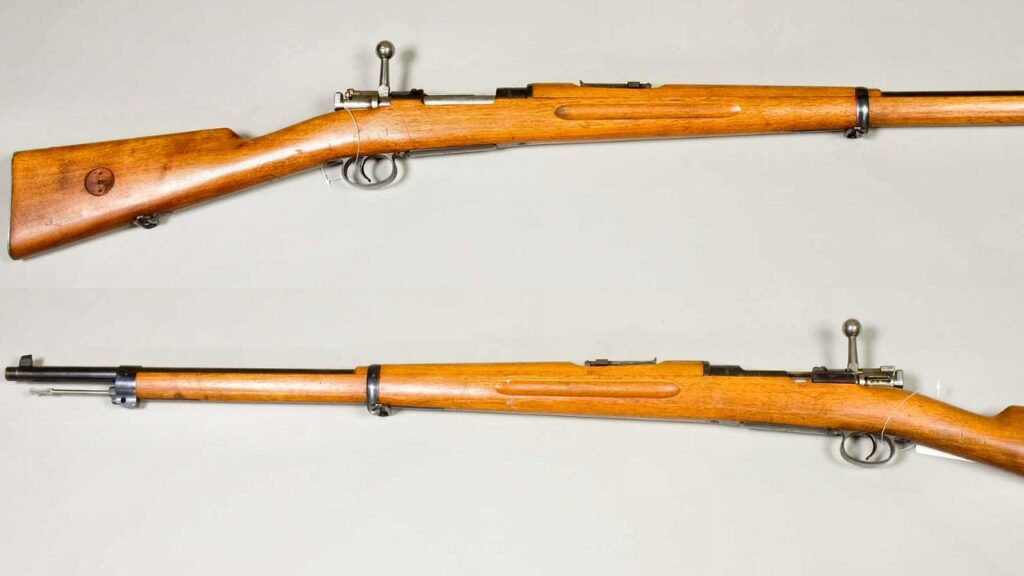
Then there are the calibers that are not truly bad, just oversold as revolutionary when they are really clever repackaging of older ideas. The debate around 6.5 Creedmoor is a good example, with critics pointing out that it is remarkably similar to A 6.5 k Mauser introduced around 1900, just with a tighter twist and modern marketing. On its own merits, that kind of cartridge can be excellent, but when it is hyped as a miracle solution that instantly outclasses every .308 or .30‑06, expectations get set at a level reality cannot match.
Hunters and long range shooters who bought into the most breathless claims sometimes discover that their new darling round behaves a lot like existing options, only with more expensive ammunition and fewer rifles on the rack. That does not make it a failure, but it does make the gap between the deadly sounding pitch and the actual performance feel wider than it needs to be. When a cartridge’s biggest innovation is the ad campaign, it risks being remembered less as a game changer and more as another chapter in the long story of calibers that promised the moon and delivered something closer to a mildly interesting rock.
The quiet truth about “loud” calibers
Strip away the branding and the campfire bravado, and the pattern is consistent. Calibers that sound terrifying, from shoulder bruising big bores to ultra fast varmint rounds and microscopic novelties, often underperform when they are mismatched to the job, the shooter, or both. Guides who would rather see a manageable rifle than a 375 Ruger the client cannot control, instructors who warn that What looks fine on a spec sheet may fail in a fight, and hunters who quietly retire overhyped cartridges after a few disappointing seasons are all pointing to the same lesson.
In my own view, the deadliest sounding caliber is usually the one I should be most suspicious of until it proves itself on real targets under real conditions. The cartridges that keep showing up in success stories tend to be the boring ones, the rounds that do not need a flashy name because their track record speaks louder than any marketing copy. When the moment of truth arrives, I would rather have something dull and dependable than a cartridge that only kills on the box art.