
Boeing is trying to shift the conversation from red ink to rising output. After years of crisis and repair work, the company is betting that a decisive ramp in 737 production will matter more to investors than another quarter of core manufacturing losses. The stakes are high because the scale and credibility of that ramp will shape how markets judge the durability of Boeing’s recovery.
The company’s latest guidance sets out a path that is ambitious but not optional. Airlines want narrowbodies, regulators want proof of discipline, and shareholders want cash. Whether the planned surge in 737 deliveries can outweigh the headline shock of a quarterly loss will depend on how convincingly Boeing links its factory cadence to revenue, free cash flow, and a rebuilt safety culture.
Q4 loss in context: revenue surge, profit optics, and lingering pain
The headline numbers from Boeing’s latest quarter invite a split-screen view. On one side, total revenue jumped to $23.95 billion, a 57.1% increase that signals a sharp rebound in demand and deliveries. On the other hand, the core commercial business still posted losses, reminding investors that the company is not yet earning a clean profit from building jets. The contrast is sharpened by the fact that a major digital-services divestiture helped lift reported profit, even as the commercial segment remained in the red, a dynamic highlighted in analysis by Helwing Villamizar from ARLINGTON.
That tension runs through the earnings quality metrics as well. Adjusted EPS swung to a gain of $9.92, reversing a prior loss of $5.90 and easily clearing analyst expectations, yet the improvement still leans heavily on portfolio moves and the early fruits of restructuring. Market commentary describes this phase as an “industrial reset,” with Shares of Boeing reacting with cautious optimism rather than exuberance. Investors appear to be looking past the one-off boosts and focusing instead on whether the production system can sustain higher volumes without triggering new safety or certification setbacks.
The 737 ramp: from quarterly cadence to 2026 stretch goals
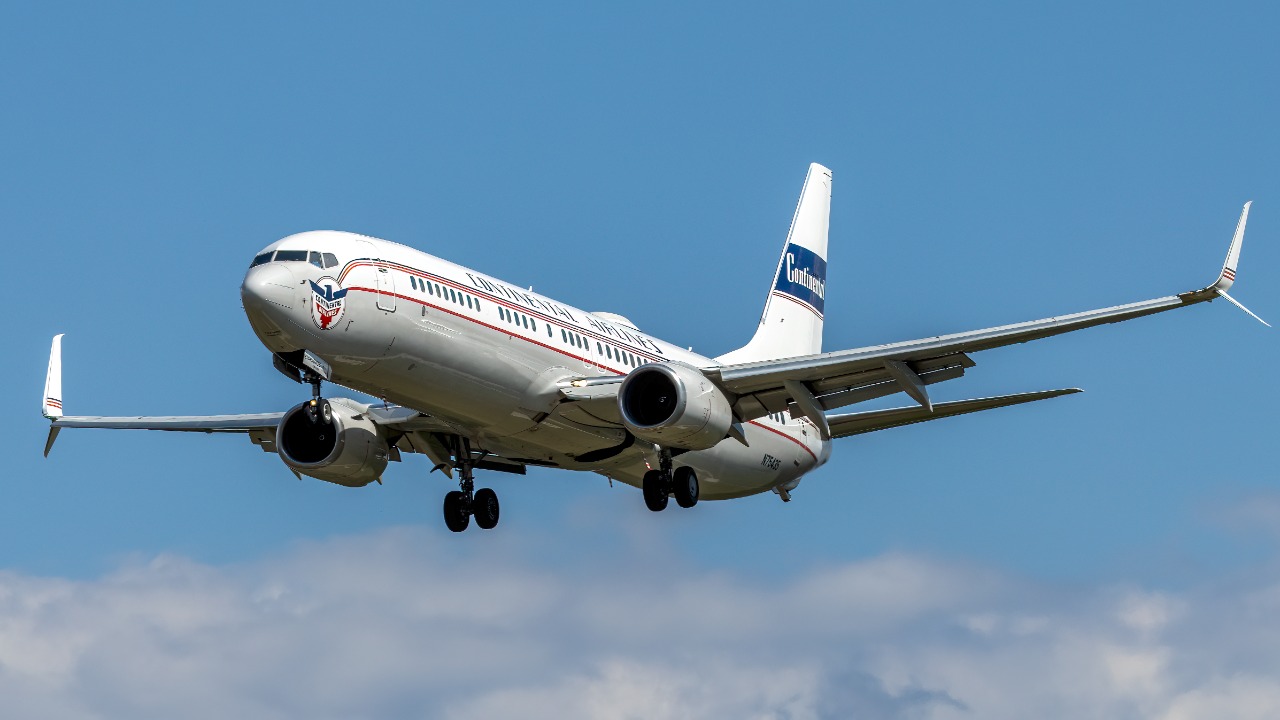
That focus on execution puts the 737 program at the center of Boeing’s narrative. Management has laid out a target to deliver 500 737 jets in 2026, a figure that would mark a decisive step up from recent years and signal that the narrowbody franchise is back on a more normal footing. Earlier guidance already showed momentum, with program detail indicating 117 deliveries of the 737 in the latest quarter and 447 for the year, supported by a production rate that has been raised to 42 per mo. Those numbers give investors a concrete bridge from current output to the 500 target, but they also highlight how little slack exists if supply chain or quality issues re-emerge.
The ramp is not limited to a single model. Boeing has signaled that it hopes to “max out” capacity on both the 737 and 787 lines, while also exploring options for new assembly infrastructure. That ambition is reinforced by regulatory milestones, including FAA approval that allows the company to raise 737 MAX production, with Bloomberg reporting that Boeing is preparing for another ramp in April and a further increase toward the end of 2026. Industry commentary has already framed 2026 as another critical year for the 737 M program, with Boeing and Max output rates expected to climb again if the current plan holds.
Execution, safety metrics, and the FAA’s new playbook
Behind the production targets sits a more granular set of operational guardrails. Analysts note that Boeing enters 2026 with a clearer roadmap than it has had in years, but also with a fragile mandate to prove that higher volume can coexist with tighter oversight. A detailed review of the company’s plan describes six FAA-agreed KPIs that cover quality escapes, rework, and supplier performance, effectively tying future rate increases to measurable safety and reliability outcomes. That framework means the 737 ramp is no longer just a management aspiration; it is a negotiated path that regulators can slow or halt if the metrics slip.
The company’s own guidance reflects that conditionality. Management has described the next 12 to 24 months as a transition from “stabilization” to “execution,” with looking ahead commentary stressing that every rate increase must be earned. For the remainder of 2026, Boeing is targeting a back-half-weighted recovery that includes a production rate of 47 M MAX aircraft per month, a level that would test both its internal factories and a supply chain that has struggled for years. The company’s stated goal is not only to hit those numbers but to do so while rebuilding what executives describe as an unimpeachable reputation for engineering excellence.
Investor lens: free cash flow, deliveries, and the recovery trade
For markets, the question is whether this operational story can outweigh the optics of another quarter of core losses. The early verdict is that investors are willing to treat Boeing as a recovery trade, provided the delivery ramp translates into cash. One prominent analysis argues that Boeing’s strengthening of 2026 Free Cash Flow Visibility Strengthens, with Herbert highlighting how higher production rates could push narrowbody output beyond 47/month in subsequent years. That thesis leans heavily on the surge in deliveries, which reached 160 aircraft in the fourth quarter, nearly double the prior level, and were the main driver of the revenue rebound. As one detailed breakdown put it, commercial aircraft sales across the 737, 777, and 787 programs gave the commercial airplane segment its strongest year in some time.
That improvement is already shaping sentiment. Market reaction to the January report has been described as cautiously constructive, with Jan commentary emphasizing that investors are looking through near-term noise to the 500 737 target and the broader production ramp. Another detailed review framed 2026 as the year when Boeing wants to convert that target into sustained free cash flow, arguing that the stock’s appeal rests on the company’s ability to climb out of what one analyst called a “deep hole.” If Boeing can hit its delivery milestones, respect the FAA’s new KPIs, and avoid fresh program shocks such as new delays for the 777X, the 737 ramp is likely to dominate the narrative, turning the Q4 loss into a backward-looking footnote rather than the defining story of its recovery.