
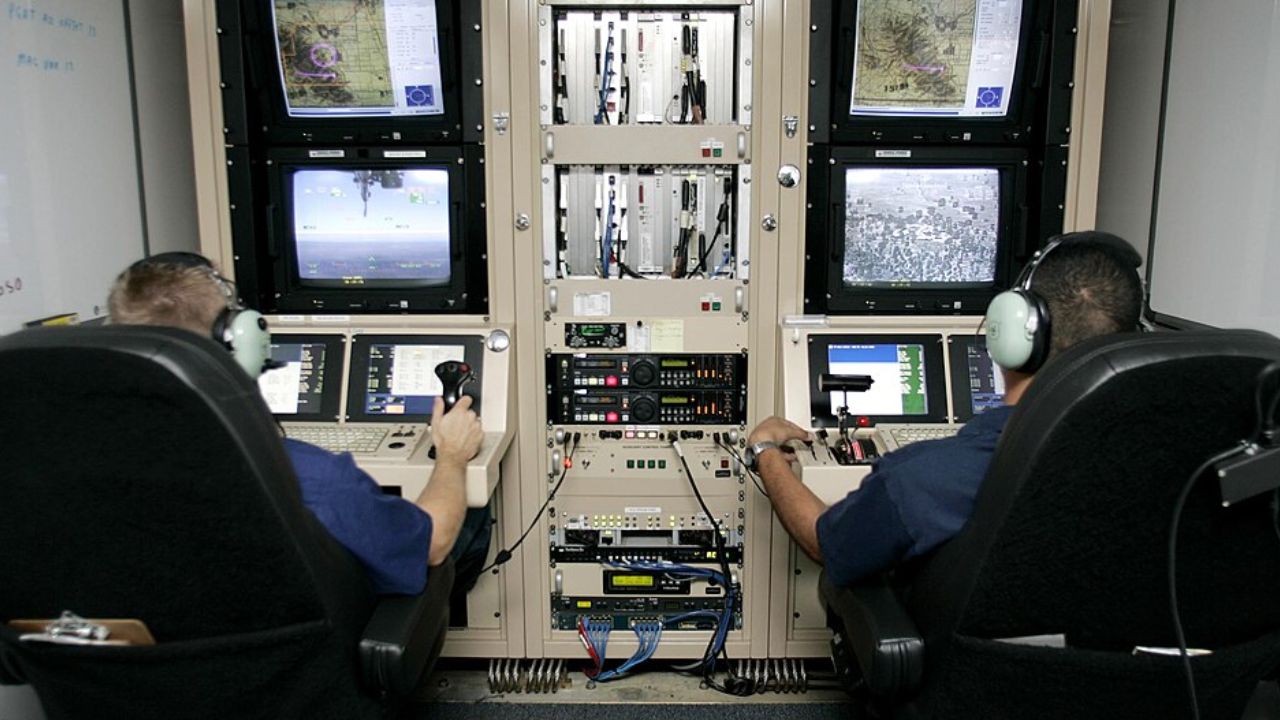
Australian police are at the forefront of integrating cutting-edge technology into their operations by testing remote drones capable of responding to incidents up to 370 miles away. This pioneering approach aims to significantly enhance emergency response times and improve public safety, particularly in remote and rural areas. The trial represents a major step forward in the application of advanced technology within law enforcement practices, potentially setting a precedent for other nations to follow.
The Need for Remote Drones in Law Enforcement
In vast countries like Australia, law enforcement faces unique challenges, particularly in remote and rural areas where geographical isolation can impede timely police response. Traditional methods, such as dispatching ground units or using helicopters, often prove insufficient due to long travel distances and limited accessibility. These constraints can lead to delays in reaching incidents, which may result in escalated situations or missed opportunities to gather crucial evidence.
Remote drones offer a promising solution to these challenges by providing rapid aerial reconnaissance capabilities. Unlike conventional vehicles, drones can bypass ground obstacles and cover large distances quickly, offering a bird’s-eye view of an incident scene. This capability is particularly beneficial in emergencies such as bushfires, search and rescue operations, or tracking suspects in difficult terrains. By delivering real-time data and visuals, drones can significantly improve situational awareness and decision-making for law enforcement personnel, ultimately enhancing their ability to protect and serve the public.
Technological Capabilities and Features of the Drones
The drones being trialed by Australian police are equipped with state-of-the-art technology tailored for law enforcement purposes. Models such as the DJI Matrice 300 RTK and the Parrot Anafi USA have been selected for their reliability and performance. These drones come with high-resolution cameras, thermal imaging capabilities, and zoom functions that allow operators to capture detailed images and videos even from a significant distance.
In addition to imaging technology, these drones are integrated with advanced communication systems that enable seamless data transmission to ground control centers. This feature is crucial for providing real-time updates to officers on the ground, allowing them to coordinate their responses more effectively. Moreover, the drones are equipped with GPS and obstacle avoidance sensors, ensuring safe navigation and precise location tracking during operations. These technological advancements make the drones highly effective tools for modern law enforcement agencies.
Operational Framework and Implementation
To effectively integrate drones into emergency response operations, Australian police have developed specific protocols for their deployment. These protocols outline the circumstances under which drones can be dispatched, ensuring that their use is justified and proportionate to the situation at hand. Officers are trained to assess the potential benefits of drone deployment, considering factors such as urgency, location, and the nature of the incident.
Training and skill development are essential components of the drone program, with officers receiving specialized instruction on operating the drones and interpreting aerial data. This training ensures that personnel are proficient in both the technical and practical aspects of drone usage, maximizing the technology’s potential benefits. During active operations, coordination between drone operators and ground units is crucial. Communication channels are established to facilitate the swift exchange of information, enabling a cohesive response strategy that leverages the strengths of both aerial and ground resources.
Potential Impact on Emergency Response and Public Safety
The introduction of remote drones into police operations is expected to bring about significant improvements in response times and incident management. By providing rapid aerial support, drones can help officers gain immediate insights into a situation, allowing them to make informed decisions quickly. For example, in a bushfire scenario, drones can assess the spread of the fire and identify safe routes for evacuation or firefighting efforts, potentially saving lives and property.
Beyond emergency response, the use of drones could also enhance community trust and police efficiency. By demonstrating a commitment to leveraging technology for public safety, law enforcement agencies may foster greater confidence among citizens. Additionally, the ability to resolve incidents more efficiently could lead to a reduction in crime rates and improved public perception of police effectiveness. Hypothetical scenarios, such as using drones to locate missing persons or monitor large public gatherings, illustrate the potential transformative impact of this technology on policing practices.
Challenges and Considerations in Rolling Out Drone Technology
Despite their promising potential, the use of drones in law enforcement is not without challenges and considerations. Privacy concerns are at the forefront, with citizens understandably wary of being surveilled by aerial technology. Policymakers and law enforcement agencies must navigate these concerns by establishing clear regulations and guidelines that protect individual privacy while allowing for the effective use of drones.
Technical and logistical challenges also pose obstacles to the widespread adoption of drone technology. Maintaining and operating drones requires significant resources, including specialized equipment, trained personnel, and ongoing maintenance. Furthermore, factors such as weather conditions and battery life can impact drone performance, necessitating robust contingency plans and operational flexibility. Looking ahead, future developments could focus on expanding the capabilities of drones, such as increasing flight range and autonomy, to further enhance their utility in law enforcement contexts.