
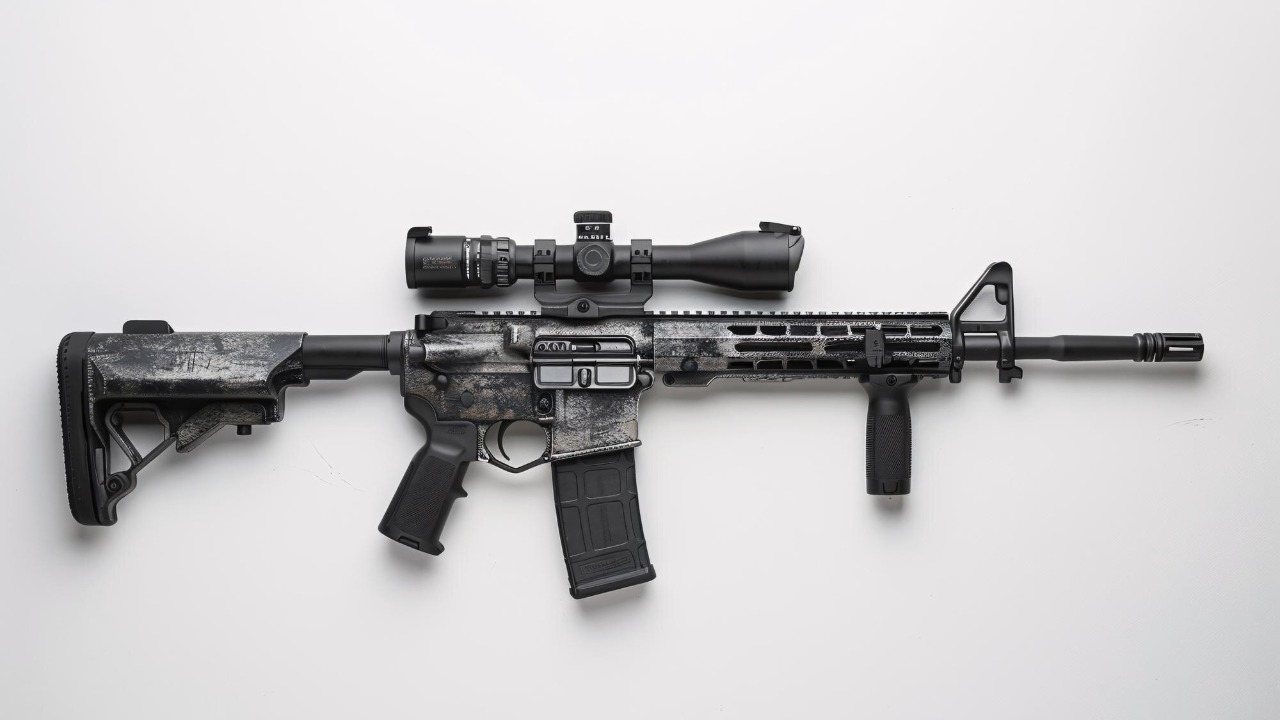
The AR-15’s biggest strength is that it can be tailored to almost any role, from home defense to competition. That same flexibility also makes it easy to waste money on parts that look impressive but add little to real-world performance. The upgrades that matter most are the ones that help the shooter see better, control the rifle more effectively, and make accurate hits under stress.
Sorting meaningful improvements from marketing noise starts with a simple test: does this part make the rifle easier to aim, fire, or carry in realistic conditions, or is it just decoration? With that lens, a handful of core upgrades consistently rise to the top, while others are better treated as late-stage luxuries or skipped entirely.
Optics, sights and the upgrades that actually tighten groups
For most owners, the single most impactful change is improving how they aim the rifle. Quality optics and refined sighting systems dramatically speed up target acquisition and reduce guesswork at distance, which is why many experienced shooters put sight upgrades at the top of any AR-15 improvement list. A good red dot or low power variable optic lets the shooter stay target focused instead of hunting for a front sight post, and that advantage compounds as ranges stretch or lighting deteriorates.
Even those who prefer irons agree that sights are non‑negotiable, whether the rifle is set up for competition, tactical use, or casual range work. Factory options are often serviceable but basic and upgrading to more precise or more visible systems can pay off quickly. That logic extends to magnified glass as well, since one of the most important accessories on a new rifle is the optic, which can make a shooter measurably more effective than iron sights alone.
Core performance parts: barrel, trigger, gas and bolt carrier group
Once aiming is sorted, the next tier of meaningful upgrades lives inside the rifle. Accuracy and consistency start with the barrel, and a high-quality tube can turn a decent carbine into a precision tool. As one guide notes, while a barrel replacement can be expensive, it is among the most effective ways to shrink groups, especially at longer ranges where small imperfections are magnified.
Triggers sit close behind barrels in terms of influence on practical accuracy. A clean, predictable break helps shooters press the shot without disturbing their sight picture, which is why competition builds often center on the fire control group. For those building a race gun, a dedicated unit like the TriggerTech 2-Stage AR-15 Competitive Trigger is framed as one of the most important parts to focus on. At the same time, ultra‑light match triggers are often better reserved for sport rifles than defensive carbines, where a slightly heavier, duty‑oriented pull can be a safer choice under adrenaline.
Gas management and reliability upgrades matter as shooters push into suppressed fire or varied ammunition. An adjustable system can tame recoil impulse and reduce wear, and one technical overview answers the question of whether an adjustable gas block is worth it with a clear yes, noting that fine‑tuning for different ammunition and calibers can improve both performance and component life. At the heart of that system, the bolt carrier group remains critical, and detailed upgrade guides stress that when it comes to vital internal components, the BCG is as important as it gets, making reliability‑focused replacements a smarter early investment than flashy cosmetic parts.
Control, recoil and ergonomics: stocks, slings, charging handles and rail grip
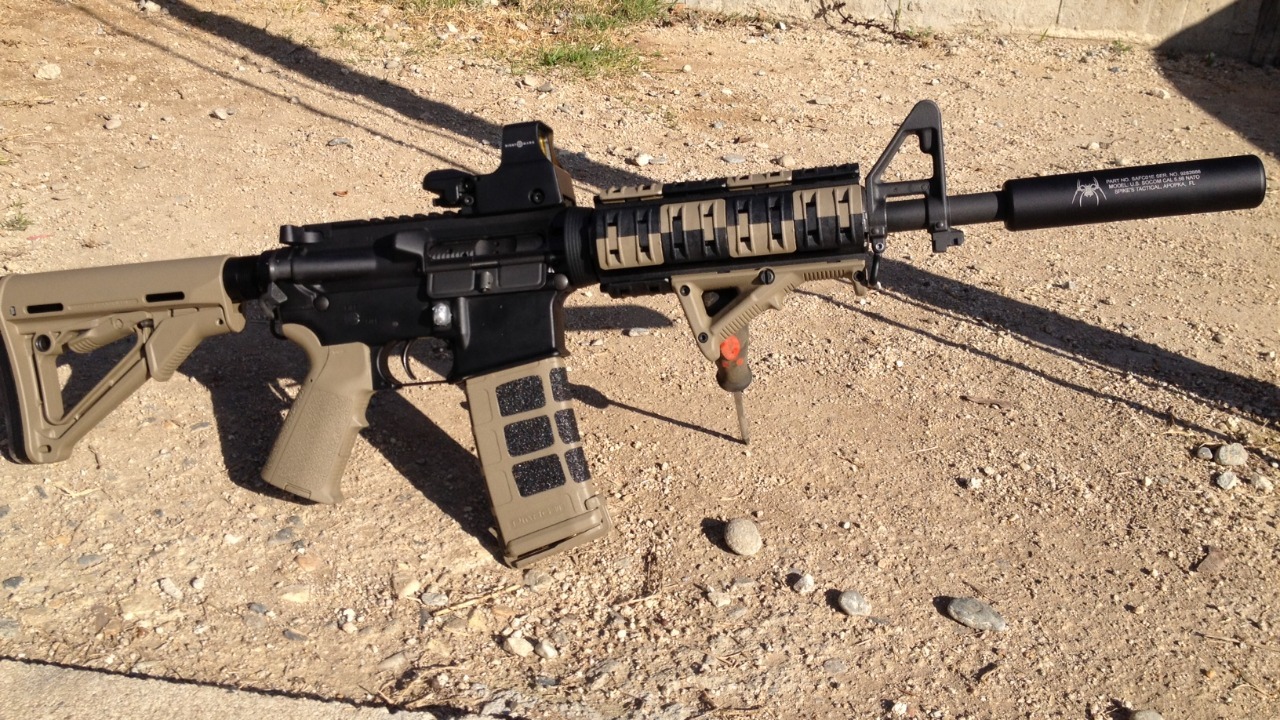
How the rifle fits the shooter often matters as much as what is inside it. A well-chosen stock improves length of pull, cheek weld and recoil management, which is why the stock is described as one of the most popular AR-15 parts to swap, with better designs making the rifle easier to control. That logic extends to complete kits, and products like a Two Position Buttstock Kit are marketed as upgrades that deliver enhanced stability, reliable recoil control and a classic profile in one package.
Compatibility and durability also matter when changing furniture. Shooters who want a military‑style setup or broad parts availability are often advised that if you want a military-style rifle or maximum compatibility, pairing a mil‑spec buffer tube with mil‑spec stocks is the safer route. Beyond the shoulder, control points like the charging handle can transform how the rifle runs, and an whether ambidextrous charging handle is highlighted as one of the simplest yet most impactful upgrades, improving access and ease of use for both left‑ and right‑handed shooters.
Slings and rail interfaces are equally central to real‑world handling. A general‑purpose AR is often described as incomplete without a sling, and one detailed guide argues that A general-purpose AR just isn’t complete without a quick‑adjust two‑point design that supports carry and shooting stability. Another analysis goes further, calling the sling one of the most critical yet overlooked accessories and noting that when it comes to upgrading an AR15, a well-designed sling improves efficiency and comfort whether on the range, in a tactical setting or while hunting. On the forend, grip texture is often overlooked, yet one rail accessory overview explains why grip matters on AR rail accessories, especially in high stress or adverse weather, where a secure hold can be the difference between a controlled shot and a missed opportunity.
Muzzle devices, recoil management and lightweight builds
At the business end of the rifle, muzzle devices can significantly change how the gun behaves. A well-tuned brake or compensator can cut felt recoil and muzzle rise, allowing faster follow‑up shots and better control in rapid strings. One accessory guide flatly states that a muzzle brake is one of the best accessories to install on an AR-15 to redirect gas and reduce movement, while also warning that not all brakes are created equal, so buyers should match designs to their specific goals.
Manufacturers that specialize in AR platforms echo that message, arguing that a single change at the muzzle can unlock significant performance. One technical breakdown frames it bluntly, urging shooters to unleash an AR-15’s full potential by upgrading the muzzle device, since one small change can boost accuracy, recoil control and overall effectiveness. That philosophy dovetails with broader upgrade advice that highlights how barrel and muzzle improvements, combined with a better trigger and optics, form the backbone of performance‑oriented builds rather than cosmetic flourishes.
Weight is another area where smart component choices pay dividends. A carbine that is light, handy and balanced is easier to carry all day and quicker to mount on target, especially for smaller shooters or those running the rifle in classes. One evaluation of a modern carbine notes that it is very light and handy, and that the design appears to be built with the needs of the modern rifleman in mind, with the review starting at the muzzle and working back through features that keep weight down while preserving durability, including a gas block held in place by two set screws. In that context, heavy quad rails, oversized grips and unnecessary metal accessories start to look less like upgrades and more like dead weight.
What to skip, what to delay and why training still wins
With so many parts on the market, it is easy to chase every new gadget, but experienced builders tend to prioritize fundamentals over flash. Detailed upgrade primers emphasize that The AR-15 platform is celebrated for customizability, yet the smartest path is to focus on changes that improve performance, comfort and the overall shooting experience before chasing aesthetics. That means gimmicky “tactical” add‑ons, elaborate color schemes and niche internal parts often belong at the back of the line, especially for new owners running a reliable factory rifle.
Accuracy‑focused guides reinforce that point by showing how much can be done with thoughtful basics. One technical series notes that accurizing an AR15 through careful part selection and setup can greatly improve performance and accuracy without resorting to exotic components. Another breakdown reminds shooters that you can take almost any rifle and upgrade its performance with a little time on the workbench, and that all that is needed is a plan that prioritizes core elements like barrel, trigger and optics over cosmetic changes. Broader weapon upgrade advice adds that others focus on recoil management or more intuitive controls, and that it is often wise to prioritize upgrades that enhance handling, such as better grip texture or an improved magazine release, before chasing purely visual tweaks.
Finally, the most overlooked “upgrade” is not a part at all. Across training circles, the consensus is that money spent on ammunition and instruction often yields more improvement than another accessory. That view aligns with practical upgrade guides that put optics, slings and lights at the top of the list, then urge shooters to validate those choices on the range rather than in a catalog. Even basic overviews of AR-15 improvements stress that sight upgrades, a solid sling and a reliable trigger are only as valuable as the practice behind them, and that the platform’s real advantage lies in how well the shooter can exploit its flexibility.