
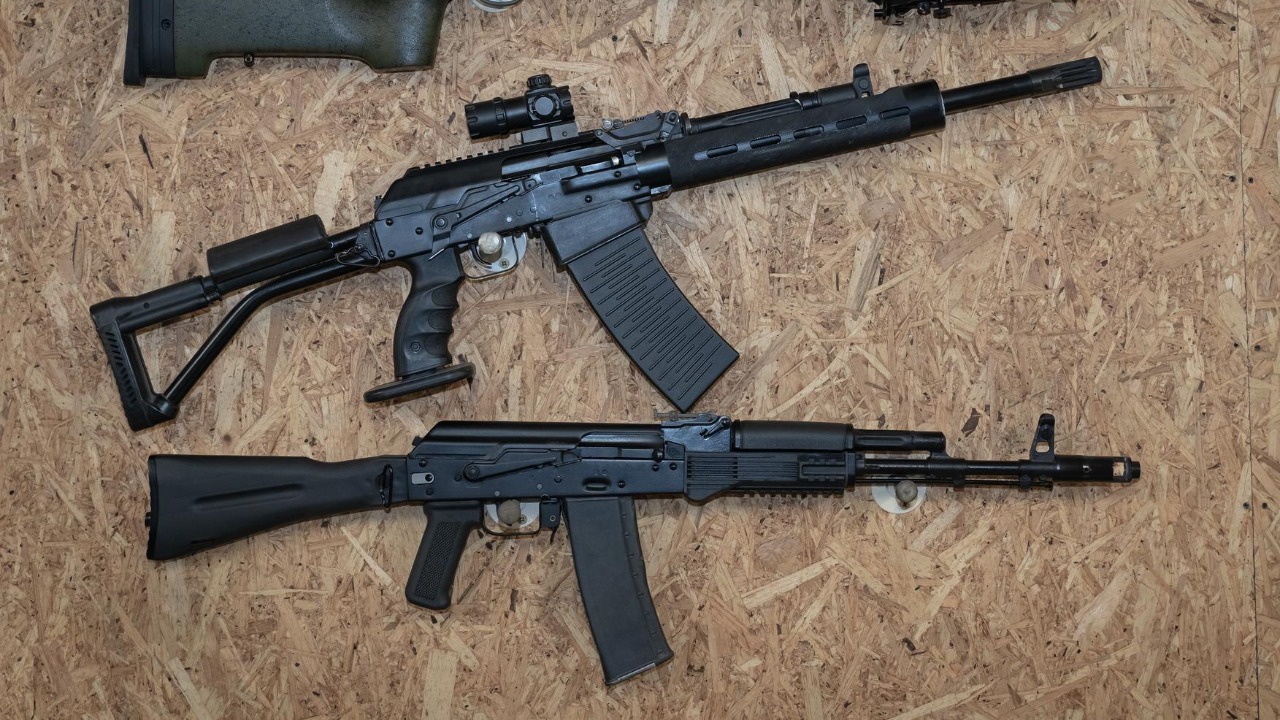
Few debates in the rifle world are as persistent as the fight over whether the AR-15 or the AK-47 holds up better when things get ugly. Hard use is not about benchrest groups or safe-queen finishes, it is about rifles that keep running in mud, ice, dust and neglect, and that can be repaired and fed when logistics are strained. In that arena, each platform brings distinct strengths and liabilities that matter far more than brand loyalty.
Across conflicts and training ranges alike, the AK-47 has earned a reputation for shrugging off abuse, while the AR-15 has evolved into a highly refined, modular system that rewards basic care with impressive reliability and accuracy. The harder the environment and the longer the timeline, the more the tradeoffs between those design philosophies become visible.
How the two designs handle dirt, mud and ice
In harsh environments, the AK-47’s generous clearances and long-stroke gas piston give it a clear edge when maintenance is an afterthought. The rifle was engineered to function with loose tolerances, which lets it cycle even when grit and fouling build up around the bolt and carrier. That is why many shooters still describe The AK as having “absolute reliability,” noting that it takes a “ridiculous amount of neglect” before the system truly chokes. In freezing conditions, the simple, overbuilt moving parts are also easier to knock free if ice forms inside the action.
The AR-15, by contrast, relies on tighter tolerances and a more enclosed receiver, which changes how it behaves when the elements intrude. When properly sealed and lubricated, the AR’s design can actually keep out much of the fine dust and sand that would slip into an AK’s more open action, and some shooters point out that the direct impingement system can help blow fouling out of the gun during firing. One detailed discussion of Soviet designs notes that “The fact is when people run mud tests, AR-15s do significantly better than AKs,” arguing that the AR’s layout leaves “fewer moving parts subject to deleterious corrosion” in those specific trials, a point anchored in mud test comparisons. The catch is that this performance assumes the rifle is reasonably clean and lubricated, which is not always guaranteed in prolonged field use.
Reliability under neglect versus reliability with care
Hard use is not just about surviving a single mud bath, it is about what happens after months of rough handling, poor storage and inconsistent cleaning. Here, the AK-47’s design philosophy shows why it became a staple for poorly supplied forces. One analysis of practical platforms highlights that The AK’s benefits include “toughness” and better short-range stopping power, describing a rifle that will still function when its owner has done almost nothing to maintain it, while also noting that the AR’s advantages fall under “The AR, Practical Benefits and Drawbacks” in a different category of performance, as seen in a comparison of 47 caliber platforms. In other words, the AK is built to keep going when the user does almost everything wrong.
The AR-15, on the other hand, tends to reward users who do at least a few things right. Enthusiasts who have run both platforms hard often report that, “When properly handled & cleaned, the AR-15 is more reliable than the AK,” but they add an important caveat: the AK is “FAR more tolerant of abuse & neglect” and of “sitting around in dirt & muck.” That contrast, captured in a discussion of how popular the AK is in the United States, underscores that the AR can be the more dependable machine in the hands of a conscientious owner, while the AK is the safer bet when the rifle might be ignored for long stretches, a point made explicit in the observation that When properly handled & cleaned the AR shines, but the AK shrugs off neglect.
Accuracy, ergonomics and the realities of sustained fire
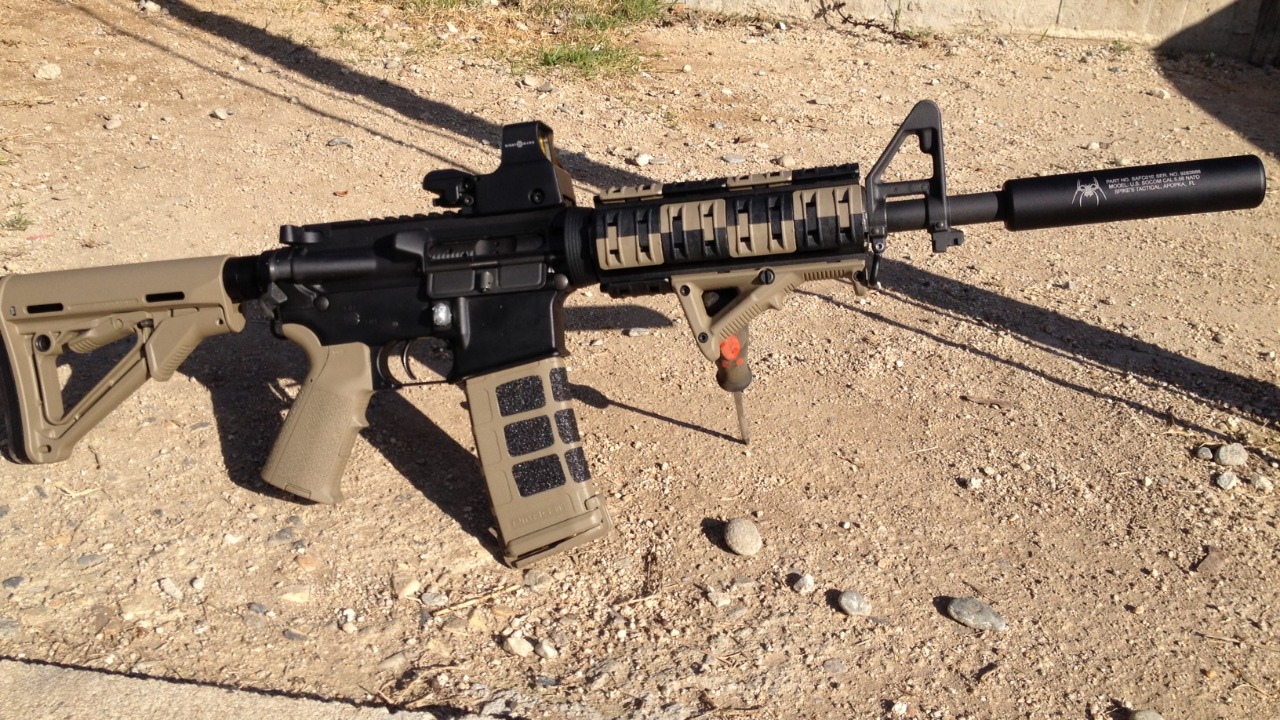
Once reliability is acceptable, hard use shifts to questions of how accurately and comfortably a rifle can be run over hundreds or thousands of rounds. Modern AR-15s are widely regarded as more accurate than typical AK-47 pattern rifles, especially at distance, thanks to better barrel manufacturing, more consistent lockup and superior sighting options. One detailed comparison frames the outcome as “So Who Wins” and concludes that the top pick is “both, sort of,” but notes that manufacturing quality and the AR’s design give it a clear edge in practical accuracy, with the author promising that “Before” diving into details, “Tyler” will explain why the AR’s precision ceiling is higher, a perspective laid out in a breakdown of AK47 vs AR15. Over long training days or extended engagements, that accuracy advantage translates into more effective hits and less wasted ammunition.
Ergonomics also matter when a rifle is carried and fired for hours. The AR-15’s controls, stock geometry and inline recoil impulse make it easier for many shooters to manage recoil, transition between targets and maintain a stable shooting position. A separate analysis that weighs “The AR, Practical Benefits and Drawbacks” against The AK’s strengths notes that the AR’s lighter recoil and more intuitive controls help shooters “have a lot of fun” while still delivering serious performance, reinforcing the idea that the platform is built for sustained, repeatable shooting rather than just surviving abuse. In contrast, the AK’s shorter sight radius, heavier trigger and more awkward safety lever can slow down accurate fire, especially under fatigue, even if the rifle itself is still mechanically sound.
Modularity, logistics and repair in the real world
Hard use is not only about what happens on the firing line, it is also about how easily a rifle can be adapted, repaired and supported over years of service. In the United States, the AR-15’s modularity is a decisive advantage. Uppers, lowers, barrels and bolts can be swapped with basic tools, and the aftermarket for optics, lights and stocks is enormous. One guide aimed at everyday shooters flatly states that the AR15 “Is Probably Better For You” if the goal is a firearm that will be shot regularly and exposed to the elements, arguing that the platform’s parts availability and ease of customization give owners “much more peace of mind” when something eventually breaks, a point emphasized in the recommendation that the AR-15 Is Probably Better For You in typical civilian use.
The AK-47, by contrast, is far less modular and more difficult to repair at a deep level. While field-stripping is simple, major work on trunnions, barrels or receivers often requires specialized tools such as a hydraulic press, and mounting modern optics or accessories can be challenging without aftermarket rails or custom work. A historical overview of “Some Histories” of the platform notes that “In Soviet Russia, AK-47 Is Submachine Gun,” highlighting how “Something the Soviets” did early on was prioritize mass production and rugged simplicity over future modularity, a design choice that still shapes how the rifle is used and maintained today, as detailed in the discussion of Some Histories of the 47. That heritage makes the AK a workhorse, but not a platform that easily evolves with new optics, suppressors or mission profiles.
What “hard use” means for different shooters
For many American owners, hard use looks less like a conscript slogging through a swamp and more like a rifle that sees regular range time, training classes and rough weather. In that context, a well-built AR-15 often emerges as the more practical choice. One comparison that weighs “The AR, Practical Benefits and Drawbacks” against The AK’s toughness concludes that the AR’s lighter recoil, better ergonomics and superior accuracy make it the more effective tool for most users, especially when combined with modern optics and accessories. Another guide that frames the debate as “So Who Wins” ultimately suggests that the real answer is “both, sort of,” but leans toward the AR for shooters who can maintain their rifles and want the flexibility to change calibers, barrels and roles without buying an entirely new gun, as outlined in the nuanced verdict on So Who Wins.
At the same time, user anecdotes show that environment and expectations still shape preferences. In one discussion on survival tactics, a poster who had “recently just acquired an” AK-47 admitted that “I guess AR for me because I live in a muddy dirty environment,” while others from “team AK” argued for the platform’s simplicity and durability in long-term disaster scenarios, a back-and-forth captured in a thread asking which is better AK-47 or AR-15. That split reflects the broader reality: the AK-47 excels when rifles may be neglected, logistics are thin and the priority is “good enough” performance under abuse, while the AR-15 shines when owners can provide basic care and want a platform that grows with their skills.
No single winner, but clear strengths on each side
When all the evidence is stacked together, neither rifle can honestly claim to be the undisputed champion of hard use in every scenario. The AK-47’s loose tolerances, simple gas system and rugged construction make it exceptionally forgiving of neglect, which is why it remains a favorite in conflicts where training and maintenance are minimal. Its reputation for reliability is not myth, as even critical comparisons concede that it takes extreme abuse before the system truly fails, a point echoed in assessments that describe The AK as almost uniquely tolerant of dirt and neglect.
The AR-15, however, offers a different kind of durability. Its receivers are extremely long-lived, its parts are easily replaced and upgraded, and its accuracy and ergonomics hold up under the strain of high round counts and demanding training. Analyses that argue the AR15 “Is Probably Better For You” in typical American conditions, and that frame the outcome as “both, sort of” in head-to-head comparisons, converge on a similar conclusion: for most shooters with access to parts, ammunition and basic cleaning supplies, a quality AR-15 is the more capable long-term partner. The AK-47 remains the rifle that will still fire after being forgotten in a ditch, but the AR-15 is the one that will let a prepared owner do more, with greater precision, for longer.