
The Air Force is quietly trying to reclaim one of the Cold War’s most dramatic jobs, the airborne nuclear command post that once circled the skies waiting for the worst day in human history. The move to pull the historic “Looking Glass” mission back from the Navy is less about nostalgia and more about who gets to hold the nuclear car keys if ground command centers ever go dark.
Behind the bureaucratic acronyms and aircraft designations sits a simple reality: the service that controls the flying command post controls the last-resort voice of the United States’ nuclear arsenal. The Air Force now appears determined to be that voice again, and it is building the hardware, the requirements, and the arguments to make sure no one mistakes its intentions.
From Cold War sky patrol to joint custody drama
Long before binge streaming and ride sharing, the United States had a different kind of “always on” service, a nuclear command post that never landed. The Looking Glass mission began when Strategic Air Command put an airborne alert aircraft in the sky in February 1961, a flying backup brain for the nuclear force that could take over if ground headquarters were destroyed. For decades, that orbiting command post was the ultimate insurance policy, a reminder that even if cities vanished, someone in a headset at altitude could still issue launch orders.
That airborne role eventually took on a formal identity as Operation Looking Glass, the code name for a command and control mission that kept EC-135 aircraft ready to assume control of U.S. nuclear forces in a national emergency. The concept was brutally simple and chillingly elegant: if the ground-based command structure failed, the airborne crew would mirror, or “look glass” into, the nuclear command chain and keep the system functioning. Over time, the mission evolved into a broader network of airborne command posts, but the core idea, a survivable flying nerve center for nuclear command and control, never really went away.
How the mission slipped from Air Force hands
For a service that prides itself on owning the sky, the Air Force has had to live with the awkward fact that its signature airborne nuclear command role migrated away. As the Cold War ended and force structures shifted, the original Strategic Air Command construct gave way to new organizations and shared responsibilities. The airborne command post system, which had included platforms under the Post Attack Command and Control System, or PACCS, and the Airborne Launch Control System, or ALCS, saw its posture trimmed and reshaped as the perceived risk of all-out nuclear war receded.
By 1991, the changes were visible on the flight line. The 4th ACCS, part of the broader airborne command architecture, stopped deploying alerts to Minot AFB, a sign that the constant, hair-trigger airborne presence was giving way to a more measured readiness. As the years went on, the Navy’s nuclear command and control role expanded, and the Air Force’s once-exclusive grip on the airborne backup mission loosened. What had started as a Strategic Air Command calling card became a shared, sometimes blurred, responsibility across services and commands.
The new push to retake the nuclear flying bridge
Now the Air Force is trying to reverse that drift and put itself back in the pilot’s seat of the airborne nuclear command mission. Service leaders have begun a new program aimed at fielding aircraft that can launch ground-based nuclear missiles and maintain control of the nuclear enterprise if fixed command centers are disabled. The goal is not just to have a plane with radios, but to restore a dedicated airborne command post that can function as the last, hardened link in the chain of command for nuclear forces.
The bureaucratic traffic cop for this turf battle is The Joint Requirements Oversight Council, which has been tasked with deciding which service is best suited to own the mission. That body will weigh arguments about expertise, existing infrastructure, and future modernization plans before blessing a lead service. The Air Force is clearly signaling that it expects to win that argument, and it is already moving ahead with planning and early work inside the service to prepare for a renewed airborne nuclear command role.
Enter SAOC, the next-generation “doomsday” ride
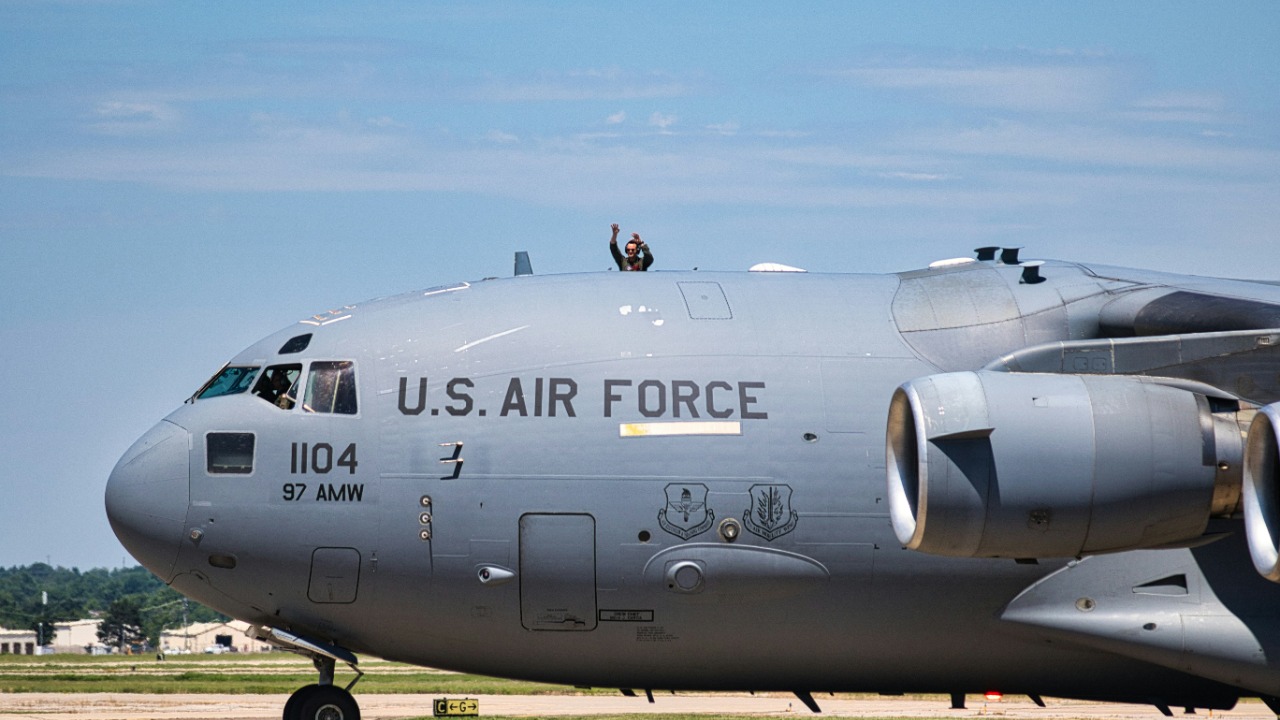
To make its case stick, the Air Force is not just waving old Strategic Air Command photos, it is building a new aircraft program around the mission. Through an industry notice posted in early December, The Air Force invited contractors to participate in the E-4C Survivable Airborne Operations Center, or SAOC, a next-generation platform designed to serve as a hardened command post in the sky. The SAOC is intended to replace and expand on existing airborne command capabilities, giving national leaders and nuclear commanders a survivable, modernized flying headquarters.
The SAOC concept folds the Looking Glass heritage into a broader suite of nuclear command and control functions, including the ability to direct forces and maintain communications in the face of extreme disruption. By explicitly tying the new aircraft to the historic airborne mission, the Air Force is making a quiet but pointed argument that the service with the SAOC should also be the service that owns the nuclear airborne command portfolio. In effect, the message is simple: if the Air Force is paying for and operating the next “doomsday” jet, it expects to be the one holding the mission patch.
Why the Air Force wants the mission back now
Timing is everything, even in nuclear command politics, and the Air Force’s renewed interest in the Looking Glass role is not happening in a vacuum. As nuclear command and control systems age and modernization programs stack up, the question of who is responsible for which piece of the architecture has become more than a bureaucratic footnote. The service sees an opportunity to align its investment in platforms like the SAOC with a clearer mandate over airborne nuclear command, rather than leaving the mission in a kind of joint limbo.
There is also a strategic logic to the Air Force’s push. The original Looking Glass mission was born from the idea that airpower could provide a survivable sanctuary for command and control when ground facilities were vulnerable. That logic still applies in an era of advanced missiles and cyber threats, and the service is arguing, implicitly and explicitly, that its experience with airborne command systems, from the old PACCS and ALCS constructs to current operations, makes it the natural steward. The Joint Requirements Oversight Council will ultimately decide whether that argument carries the day, but the Air Force is clearly not waiting on the sidelines while others debate its future role.
A legacy mission updated for a less forgiving era
For all the Cold War nostalgia that clings to the phrase “Operation Looking Glass,” the modern version of the mission is less about vintage bomber jackets and more about surviving a far more complex threat environment. The original airborne command post concept assumed a relatively binary world of missiles and megatons. Today, any future SAOC and its crews would have to contend with a mix of kinetic and non-kinetic threats, from anti-satellite attacks that could blind communications to cyber operations aimed at the very networks that keep the aircraft connected to the rest of the force.
That is part of why the Air Force is framing the SAOC and the reclaimed airborne command role as a central pillar of nuclear command and control, not a niche specialty. The service is effectively arguing that the same instincts that led Strategic Air Command to put a flying command post in the sky in 1961 still apply, only now the technology and the threat set have multiplied. By tying its future aircraft program, its institutional memory of Looking Glass, and the deliberations of The Joint Requirements Oversight Council together, the Air Force is betting that the best way to secure the nuclear future is to reclaim the mission that once defined its Cold War identity, then update it for a world that is far less forgiving than the black-and-white footage suggests.