
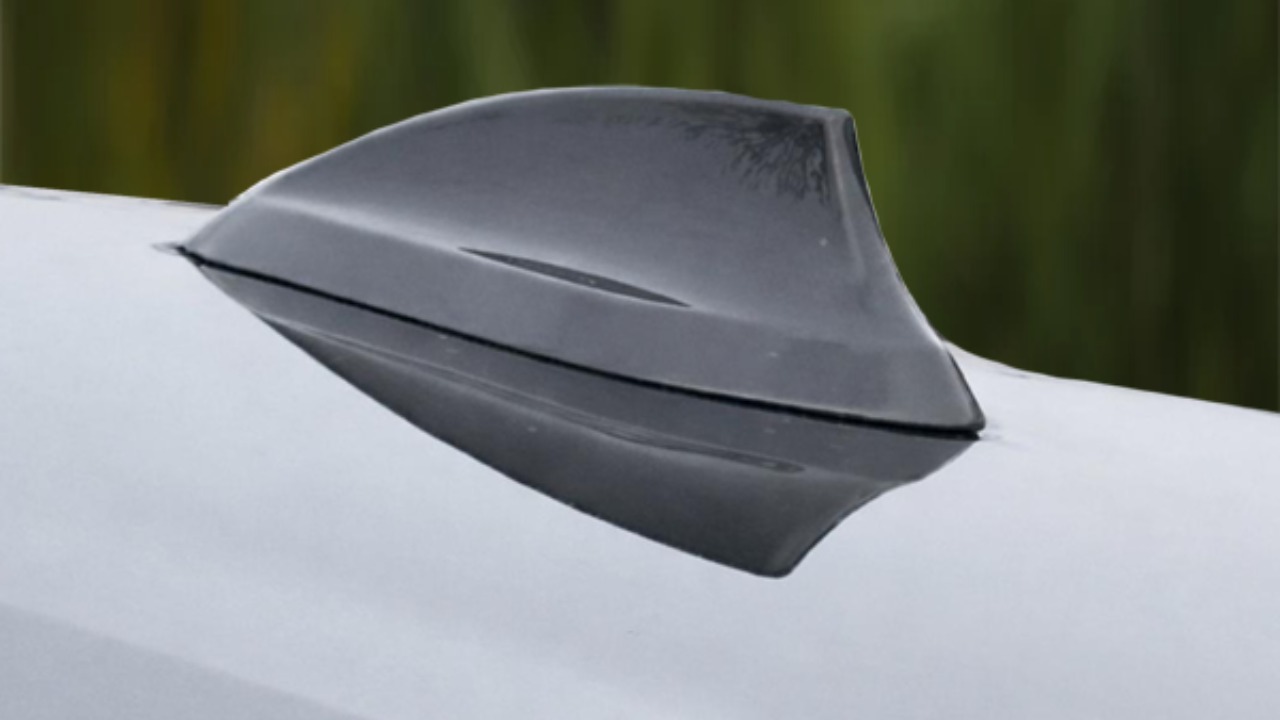
The small fin perched on the roof of most modern cars is not a styling afterthought but a tightly packed communications hub. Hidden inside that shark-like shape are the antennas that keep navigation, radio, and data services connected while the vehicle slices through the air at highway speeds. Understanding what that fin does, and why it looks the way it does, reveals how much digital infrastructure now rides along with every trip.
Instead of a single metal mast, the shark fin concentrates multiple signals in one aerodynamic shell that is designed to survive car washes, tree branches, and years of weather. It is a quiet piece of engineering that affects everything from how clearly drivers hear satellite radio to how efficiently the car moves through the air.
From whip mast to multi‑service module
The classic metal whip that once sprouted from fenders has largely been retired in favor of compact housings that can handle far more than analog FM. Modern vehicles rely on a cluster of services, including GPS navigation, cellular data, satellite radio, and keyless entry, and these all require antennas tuned to different frequencies. As a result, most manufacturers now embed several elements inside a single shark fin module, a configuration described in technical discussions as a set of distinct antennas packaged together so that most signals can be handled at once.
That consolidation is not just theoretical. Product literature for devices such as the Pulse / Larsen Antenna Shark-Fin MultiBand Antenna 2X 5G (SKF5G62311DM) describes a low profile unit that supports GPS while preserving the vehicle’s appearance, with the GPS function explicitly integrated into the same compact shell. Consumer guides note that modern cars are now equipped with antennas for satellite services, including platforms such as SiriusXM, alongside cellular and navigation hardware, all routed through that single point on the roof.
Why the fin looks like a fin
The distinctive profile is not an exercise in whimsy. Engineers shape the housing to manage airflow, reduce wind noise, and protect the delicate electronics inside. Reporting on the design explains that the fin form helps minimize drag at highway speeds, which matters because every bit of resistance can chip away at fuel economy, a point echoed in coverage that notes how the streamlined shell is chosen so that every bit of drag counts.
Owners sometimes assume the fin is purely decorative, a perception reinforced by online comments that focus on aesthetics and styling. Yet technical explainers stress that the shape is a compromise between visual appeal and function, with the housing tall enough to clear the roof’s metal for better reception but short enough to avoid being snapped off by low objects such as tree limbs.
The hidden work: signals, safety and efficiency
Beneath the plastic shell, the fin is first and foremost an antenna. Guides that answer basic owner questions describe it plainly as the antenna, responsible for radio reception and high-speed data transmission between devices in and around the vehicle. On many models, that includes the link that allows a smartphone app to lock the doors, the GPS feed that keeps a navigation screen centered, and the cellular connection that powers emergency call systems.
Manufacturers highlight that the shark fin design can also improve performance compared with older masts. Technical notes from Wuling describe how the unit can generate high performance, for example by delivering more stable radio and navigation signals when the car is moving at speed. The same guidance explains that when the car is running, the integrated antenna helps keep the driver more focused on driving by reducing the need to fiddle with reception, a benefit that is reiterated where Wuling notes that when the car is running, the system supports concentration.
For drivers, the most visible effect is often entertainment. The fin typically handles AM and FM reception, a point that surfaces in online discussions where users bluntly identify it as the antenna for “radio n stuff.” It also supports satellite radio and connected services that stream audio through apps, a role underlined in consumer explainers that note how shark fin antennas replaced whip antennas to support modern tech such as integrated navigation and telematics.
Choosing, combining and multiplying fins
Because the fin is now a critical communications node, aftermarket buyers are urged to treat it as more than a cosmetic accessory. Purchasing guides explain that consumers increasingly prefer sleek housings that integrate with the roofline, and they stress that design integration can improve efficiency by reducing drag, with one advisory noting that careful shaping can enhance efficiency by reducing drag 5 percent. The same guidance, titled “How to Choose Shark Fin Auto Antenna, Can It Improve Signal,” underscores that buyers should match the antenna’s supported bands to the vehicle’s equipment, a reminder that the fin is a functional radio component rather than a generic ornament.
Suppliers such as Abracon frame the appeal in similar terms, describing how these roof mount antennas can combine multiple services in one durable housing. The same overview notes that one shark fin antenna can support several functions over a long life span, a point reinforced where Abracon explains that one shark fin antenna can handle several communication channels. As vehicles add more connectivity, some models even carry multiple fins, a trend explained in technical coverage that notes that while the single shark fin usually supports communications, a second row can fulfill a completely different function related to aerodynamics.
That distinction is echoed in a related summary that explains that while the single shark fin on many roofs supports communications, a second fin or a row of fins can be tuned for airflow management, with the report noting that while the single fin handles data, the additional pieces serve a different purpose. Broader explainers on vehicle “pointy fins” make a similar point, noting that their purpose depends on which fins are in question, with some primarily functional and others largely stylistic. In practice, the shark fin on the roof sits firmly in the first category, a compact piece of infrastructure that keeps the car’s digital systems talking to the outside world.