
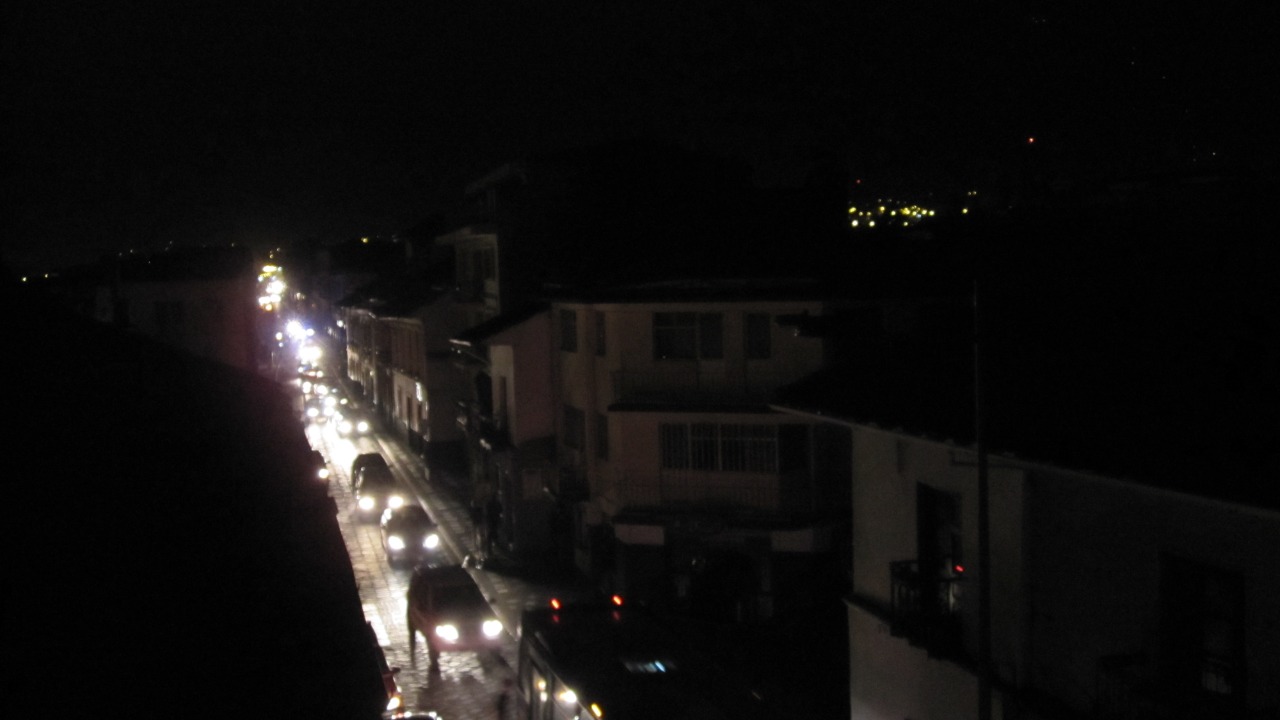
Federal energy officials are warning that the United States is on track for a dramatic escalation in power interruptions, with the risk of blackouts projected to be up to 100 times higher by 2030 if current plans do not change. The warning stems from rising electricity demand, rapid plant retirements, and a grid not designed for the emerging digital and electrified economy. The question facing policymakers, utilities, and large power users is no longer whether the grid must be rebuilt, but how quickly they can move before the lights start going out more often.
What the new blackout warning actually says
The U.S. Department of Energy has concluded through formal analysis that the status quo is unsustainable, finding that existing infrastructure and planning assumptions cannot keep pace with projected load growth. In its own words, the agency’s highlights of the report state that if current retirement schedules and increasing demand proceed as expected, the country’s power system will struggle to maintain reliability and security. That conclusion is not based on a single stress test or anecdote, but on a structured evaluation of how generation, transmission, and demand will interact over the rest of the decade.
One of the starkest findings is that the risk of power outages could increase by a factor of 100 by 2030 if nothing changes, a projection that has quickly become shorthand for the gravity of the situation. The Department of Energy links the increased risk to rising electricity use and the retirement of reliable, dispatchable power plants. In a separate summary of its work, DOE again emphasizes that rising demand is threatening America’s energy security when paired with the current trajectory of plant closures.
Load growth, plant retirements, and the 100x risk
The risk arises as more devices, vehicles, and data centers connect to the grid while large, dispatchable power plants retire. DOE’s own work on grid reliability underscores that the problem is not just about adding more megawatts, but about the type of generation that is available during peak stress. According to a detailed summary of the federal findings, the DOE assumes that 104 G of announced plant closures by 2030 will proceed, a wave of retirements that removes a large block of steady output from the system just as demand is climbing.
Industry-focused reporting on the same federal work notes that this combination of rising load and plant retirements could drive a 100x increase in blackout risk by 2030, particularly if utilities continue to retire coal, natural gas, and nuclear units faster than they are replaced with reliable, dispatchable generation. A separate review of the same DOE findings stresses that The DOE is not assuming an extreme weather catastrophe but rather extrapolating from announced closures and demand forecasts to show how thin reserve margins could become. In that context, the warning that the risk of power outages increases 100x by 2030 reads less like a hypothetical and more like a baseline scenario if current plans continue.
AI, electrification, and the strain on a legacy grid
The surge in demand is not abstract. It is being driven by concrete trends such as artificial intelligence, electric vehicles, and the broader push to electrify heating and industry. One detailed account of the DOE’s findings explains that a Department of Energy (DOE) study warns of blackout risks from AI and increased electrification if current utility plans continue, noting that the same utilities planning to retire coal, natural gas, or nuclear power are also counting on rapid growth in data centers and electric transport. That assessment, captured in the Energy Department Report, underscores how quickly AI workloads and electrification can outstrip the capacity of a grid built for a different era.
Another analysis of the same federal report notes that only 22 GW of those additions come from baseload generation sources, and even without retirements that amount would be insufficient to meet the projected needs of a digital economy. The shortfall is significant, as the growth of artificial intelligence depends on uninterrupted data center operations, which the current grid may not support during peak demand. The warning that the national energy grid is at risk of widespread blackouts by 2030 makes clear that the stakes extend far beyond household inconvenience to questions of economic competitiveness and national strategy.
What can be done to blunt the threat
While the federal findings are stark, they are not a prediction of inevitable failure so much as a map of what happens if policymakers and utilities stay on their current path. Some in the private sector argue that part of the answer lies in more flexible, distributed solutions that can operate independently of the bulk grid during emergencies. One example involves behind-the-meter generation, producing electricity on-site for critical facilities and pairing with mobile gas turbines for rapid deployment. That approach reflects a broader shift toward resilience strategies that do not rely solely on centralized infrastructure.