
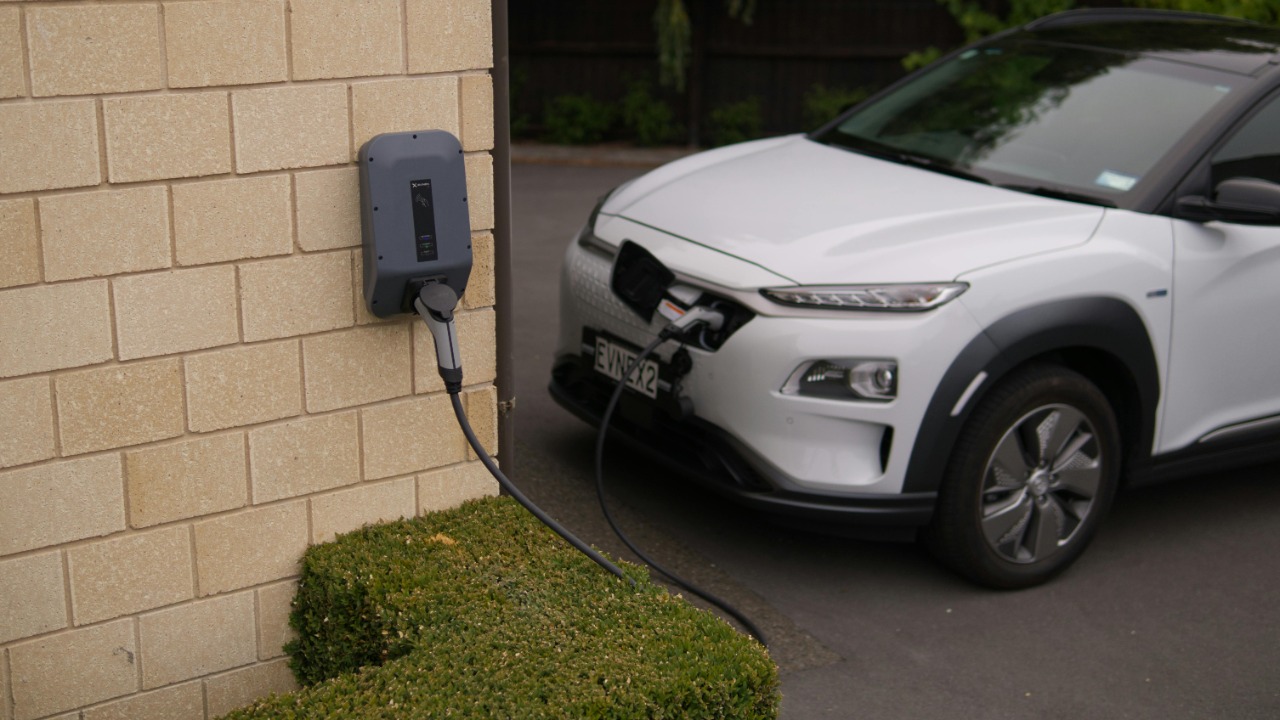
Electric vehicles are on the verge of a step change that could make overnight range anxiety feel as dated as carburetors. A wave of new battery chemistries and cooling systems promises charge times measured in minutes and driving distances that rival or exceed traditional fuel tanks. Together, these advances point toward an era in which drivers can add hundreds of miles of range in the time it takes to grab a coffee and, in some cases, potentially double the distance they can cover on a single charge.
From coffee break to full battery: ultra-fast charging arrives
The most dramatic shift is happening at the plug, where engineers are attacking the bottleneck that keeps drivers tethered to chargers for half an hour or more. New designs aim to turn a quick stop into a meaningful recharge, with several projects now claiming that a modern pack can safely absorb power at rates that once seemed reserved for laboratory experiments. The goal is simple but transformative: make topping up an EV feel as casual and quick as refueling a gasoline car, without sacrificing safety or battery life.
Thermal management is central to this push, and companies are treating heat as the enemy to be engineered out of the system. In LONDON, Hydrohertz has presented a cooling architecture that is designed to support ultra-fast 10-minute charging, pairing a reworked pack layout with more efficient heat extraction. A related description of the same approach credits Hydrohertz with a claimed world first in battery cooling that is intended to enable 10-minute sessions while also improving range, safety, and longevity. A separate report on a fast charging system that delivers 800km in 12 minutes underscores how aggressively developers are now targeting both speed and distance in a single package.
Thermal tricks and high voltage: the hidden enablers of instant boosts
Behind the headline charge times sit quieter innovations in cooling and power electronics that make such feats plausible. Battery cells can only accept extreme currents if they are kept within a narrow temperature window and if the pack is designed to distribute stress evenly. That is driving a surge of interest in advanced coolant channels, new materials, and higher voltage architectures that reduce current for a given power level.
One British startup is focusing on exactly this problem, with thermal management technology that keeps packs cool so they can handle ultra-fast charging while also extending range and improving safety. On the powertrain side, the HiVEP project is developing high-voltage systems with 3.6 C rate batteries, which are intended to support rapid charging and raise driving range by 20 percent while also sharpening performance. BYD is pushing in a similar direction with ultra-high voltage charging that it describes as a new milestone, signaling how quickly the industry is converging on similar technical answers.
Chasing the 1,000-mile dream and doubling real-world range
While charging speed grabs attention, the other half of the equation is how far a vehicle can travel before it needs to plug in at all. Several developers now argue that the long discussed 1,000 mile benchmark is within reach, a figure that would fundamentally change how drivers think about electric road trips. The promise is not only fewer stops but also more flexibility in how and when those stops occur.
An American company is working on batteries that it says can deliver a 1,000-mile range, with reporting describing a focus on maximum energy density and links to energy storage projects beyond vehicles. A related account highlights the same American effort and uses the Hyundai Ioniq 5 as an Image reference point for how such technology might appear in a familiar crossover. In parallel, Nissan is developing a next generation pack that, according to multiple descriptions, aims to double range and halve charging time, with a solid state future cited as the long term direction. Another report on Nissan repeats the same ambition to double range and cut charge times in half, underlining how central this target has become to the brand’s global electric strategy.
Instant boosts, mainstream models, and what comes next
For drivers, the most tangible expression of these breakthroughs will be the ability to add meaningful range in the span of a short stop. Developers are now talking about boosts that rival a full tank of fuel in both distance and convenience, which could make overnight transformations in how people use their cars. The focus is not only on premium flagships but also on technologies that can filter into mass market crossovers and sedans.
One experimental battery is described as offering a 190-mile boost in under four minutes, while still targeting the same 1,000-mile threshold that long-range projects are chasing. Another design is said to deliver a five-minute charge that adds 250 miles, illustrating how aggressive the claims around instant replenishment have become, although that report appears in a user discussion rather than an official announcement. A broader overview of EV battery breakthroughs notes that three separate innovations are now pushing ranges to the point where they approach or exceed traditional expectations, which would place new technology batteries ahead of hybrid alternatives in everyday usability. On the vehicle side, Toyota is signaling its intent to bring longer range and faster charging into the showroom, with one report describing how Toyota aims to lift its EV crossover out of mediocrity with more range, quicker charging, and extra power, while another account notes that Toyota has sent shockwaves through the sector with a next-generation solid-state battery concept. A separate overview of solid-state batteries stresses that these designs promise higher energy density and longer life, but it does not confirm that such cells are yet powering a production EV, so their commercialization status remains unverified based on available sources.