
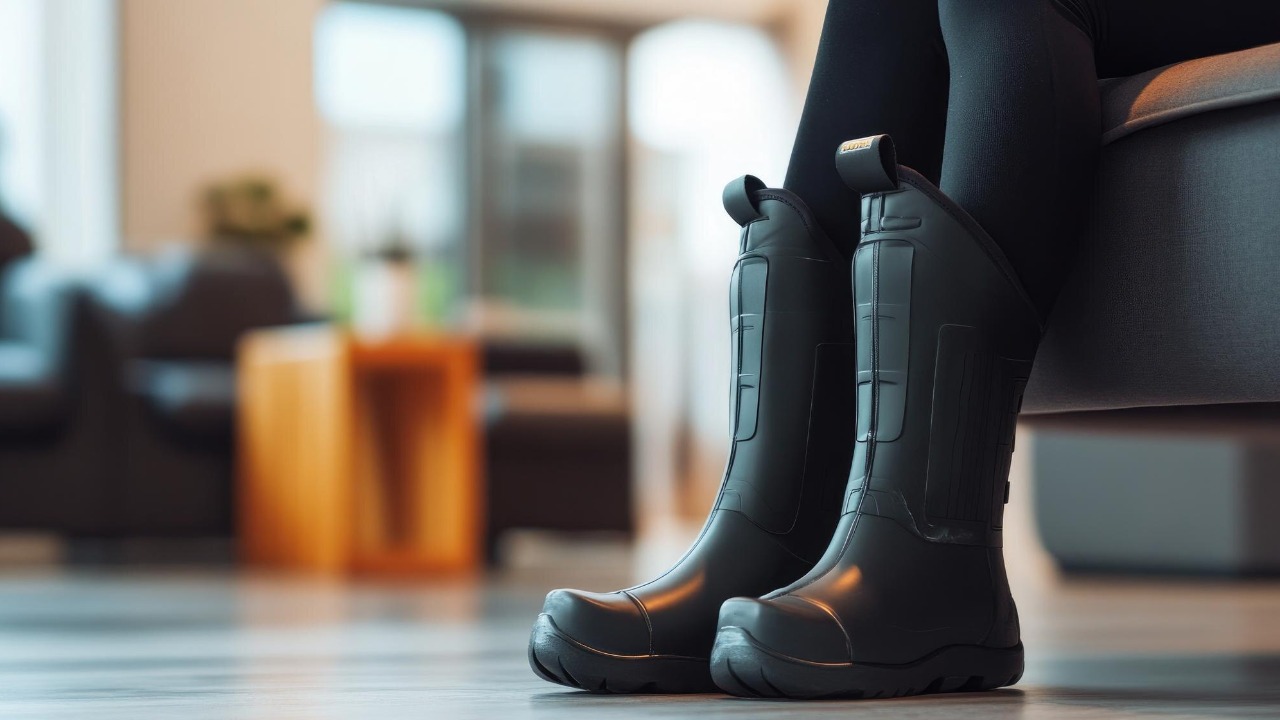
AI-guided recovery boots are turning a once clunky, plug‑in therapy into a precise, heat‑infused system that can adapt to each athlete’s legs in real time. Instead of guessing at pressure levels or juggling hoses and power cords, users are slipping into wireless sleeves that combine compression, warmth, and data to speed up post‑workout repair. The result is a new class of smart gear that promises targeted heat therapy with the polish of consumer tech and the ambition of sports science.
At the center of this shift are AI-driven wireless systems that learn how a body responds to pressure and temperature, then quietly adjust the session without constant tinkering. From pro‑style boots that pump warmth through the calves to hybrid shoes that blend comfort and recovery, the category is expanding fast, and early products are already staking out different visions of what intelligent leg therapy should look like.
AI takes over the guesswork in leg recovery
Traditional compression boots have long asked users to make educated guesses about how much pressure their legs can handle and which zones need the most attention. New systems are trying to remove that trial and error by building algorithms directly into the hardware so the device can tune itself. One example is the UREVO AI-Powered Wireless Recovery Boots, which are described as letting “AI Knows My Body,” a promise that the system can learn from previous sessions and adjust intensity, timing, and even skip sensitive areas that do not tolerate pressure well, turning what used to be a static massage into a responsive routine tailored to each leg.
That adaptive approach is backed up by a broader push from UREVO to position its boots as a pro‑level tool that still fits into a home routine. The company highlights that the UREVO AI-Powered Wireless Recovery Boots are developed for runners, skiers, cyclists, and other endurance athletes who need consistent recovery but do not have access to a training room. By embedding AI logic in a compact, cordless shell, the boots aim to deliver the kind of nuanced pressure patterns usually reserved for staffed therapy sessions, while remaining compact and easy to store between workouts.
Wireless heat and compression move beyond the training room
Going cordless is more than a convenience feature, it changes where and how people can recover. Earlier generations of pneumatic boots were tethered to a base station, which meant recovery happened in a fixed corner of a gym or living room. Newer designs, such as the UREVO AI-Powered Wireless Recovery Boots, integrate pumps and batteries into the sleeves themselves so users can walk around the house or sit on a couch without dragging hoses. Reporting on the product notes that the system is marketed as the world’s first AI-powered wireless recovery boot that can pump heat through the legs for pro‑level muscle therapy, combining compression and warmth in a single, mobile package that targets leg muscles for relief.
Heat is emerging as a key differentiator in this wave of devices, and it is not limited to boots. Within the same ecosystem of recovery tools, brands are experimenting with smaller gadgets like the TheraFace Depuffing Wand, which offers cold and heat skincare treatments to depuff and enhance radiance at a listed regular price of $169.99. The same company’s coaching platform is framed as a way to guide users through recovery sessions, even offline, hinting at a future where heat, compression, and app‑based instruction are bundled together so that targeted therapy can happen in a bedroom, on a bus, or in a hotel room, not just in a clinic.
UREVO’s AI boots push pro-level heat therapy into the mainstream

UREVO is betting that a mix of AI, heat, and portability can bring professional‑style leg therapy to a broader audience. The company’s own product page for the UREVO AI-Powered Wireless Recovery Boots emphasizes that the system can automatically modulate pressure and timing, with the “AI Knows My Body” framing used to signal that the boots learn from each session. That includes the ability to focus on specific muscle groups, adjust compression sequences, and skip areas that feel tender, which is particularly relevant for runners or skiers managing localized soreness after long sessions on the road or slopes.
Pricing and positioning show how aggressively UREVO is targeting serious amateurs as well as professionals. The boots are listed at $779.99 on the company’s site, a figure that places them firmly in the premium category but still below the cost of some clinic‑grade systems. According to launch details, the UREVO AI-Powered Wireless Recovery Boots are designed for runners, skiers, cyclists, and gym users who want a compact, easy‑to‑store device that can deliver pro‑style heat and compression without a dedicated recovery room. Additional product listings surfaced through Google’s Shopping Graph, which aggregates Product information from brands and stores, reinforce that UREVO is marketing the boots as a flagship AI-driven recovery tool rather than a niche gadget.
Therabody and Nike test different paths to smart leg recovery
UREVO is not alone in trying to reinvent leg recovery, and the competition highlights how varied the approaches can be. Therabody’s JetBoots Pro Plus, for example, are described in a review as an innovative, fully wireless pair of compression boots that combine pneumatic compression, soothing vibration, and infrared heat in a single system. Instead of leaning heavily on AI branding, the focus is on layering multiple modalities so that the boots can flush the legs with pressure, add gentle vibration to loosen tissue, and apply warmth through infrared elements, with the goal of improving circulation and easing soreness in line with findings from sport science research cited in the review.
Therabody also ties its hardware into a broader coaching ecosystem, using its app and coaching tools to guide users through recovery routines and track how often they use features like heat or vibration. On a different front, Nike and Hyperice are experimenting with hybrid footwear in the Nike x Hyperice Hyperboot Shoes, which blend everyday comfort with integrated recovery features. User reviews aggregated in Google’s shopping interface show an average rating of 4.6 out of 5 stars, and the summary notes that 15 reviews highlight “comfortable” as a key advantage, with the word Overall used to capture the general sentiment that people find these to be both wearable and effective. While the Hyperboot is not a full‑length compression sleeve, its reception suggests that consumers are open to recovery tech that looks and feels like regular gear rather than medical equipment.
What targeted heat therapy means for athletes and everyday users
The convergence of AI, wireless design, and heat is reshaping expectations for post‑workout care. Instead of treating recovery as a passive cooldown, these devices encourage users to think of it as an active, data‑informed process where settings are tuned to individual legs, not generic templates. AI-guided systems like the UREVO AI-Powered Wireless Recovery Boots promise to learn from each session, adjusting compression and warmth to match how muscles respond, while multi‑modal products such as the JetBoots Pro Plus layer in vibration and infrared heat to deepen the effect. The spread of smaller tools like the TheraFace Depuffing Wand, which brings targeted heat and cold to facial tissue, shows how the same logic is being applied beyond the lower body, turning temperature into a precise, localized input rather than a blunt hot‑pack treatment.
For athletes, the stakes are obvious: better recovery can mean more training volume, fewer missed days, and potentially lower injury risk, provided the devices are used intelligently and alongside medical advice when needed. For everyday users, the appeal is more about comfort and convenience, whether that is slipping into AI-driven boots after a long shift on their feet or using a comfortable pair of Nike x Hyperice Hyperboot Shoes that carry a 4.6 rating to ease daily strain. As Google’s Shopping Graph continues to surface Product information on devices like the UREVO AI-Powered Wireless Recovery Boots and the Therabody JetBoots Pro Plus, buyers are gaining more visibility into how these systems perform in real homes and gyms. The next phase will likely hinge on whether the AI and heat features deliver measurable benefits over simpler compression gear, but the early wave of wireless, targeted heat therapy boots has already changed what recovery equipment can look like and where it can be used.