

Firearms marketing loves to whisper that bigger calibers are the shortcut to power, confidence, and maybe spiritual enlightenment. In reality, once the muzzle blast fades, larger rounds often leave shooters slower, less accurate, and slightly more bruised in both shoulder and ego. The core tradeoff is simple: as caliber and power climb, recoil and shooter fatigue climb with them, and that extra punishment tends to drag down performance rather than sharpen it.
I have watched plenty of capable shooters turn into flinchy chaos machines the moment they “upgrade” to a heavier caliber they cannot quite control. The physics are not negotiable, and the human nervous system is not impressed by marketing copy. When the cartridge gets bigger, the gun pushes back harder, and that push shows up in slower follow-up shots, more misses, and a lot of low hits on targets that were perfectly hittable with something smaller.
Recoil: the hidden time penalty
The single biggest way larger calibers slow people down is recoil, which is essentially the gun’s way of reminding you that every action has an equal and opposite reaction. More bullet mass and more velocity mean more energy, and that energy has to go somewhere. It goes into your hands, wrists, shoulders, and, if you are unlucky, your dental work. That extra movement knocks the sights off target and forces you to spend more time muscling the gun back into alignment before you can fire again.
Experienced shooters can manage recoil, but even the best are affected when it increases significantly. Reporting on small game cartridges notes that heavier recoiling rounds make it harder to stay on target and to deliver accurate shots quickly, while smaller cartridges let shooters recover faster and place follow-up shots more efficiently. The same physics apply whether you are shooting a compact pistol or a long rifle. As caliber and power rise, the gun moves more, your sight picture takes longer to settle, and your shot-to-shot cadence slows down, no matter how tough you feel.
Flinch, anticipation, and the “shooting low” problem
Recoil does not just move the gun after the shot, it also creeps into your brain before the shot. When you know a big boom and a sharp shove are coming, your body starts to brace for impact. That anticipation often shows up as a flinch, a subconscious push or dip of the muzzle just before the trigger breaks. On the target, that translates into hits that mysteriously land low, even when the sights looked perfect a split second earlier.
Instructional material on marksmanship points out that shooters who consistently hit low, despite correct sight alignment, are usually reacting to recoil rather than aiming errors. The heavier the recoil, the more tempting it is to “help” the gun fire by tightening the grip, jerking the trigger, or driving the muzzle down to fight the expected kick. Larger calibers magnify this problem, because every bad habit is rewarded with louder noise and sharper feedback. Over time, that can train a flinch so deep that even switching back to a mild caliber does not immediately fix the issue, which is a high price to pay for a little extra muzzle energy.
Accuracy versus “stopping power”
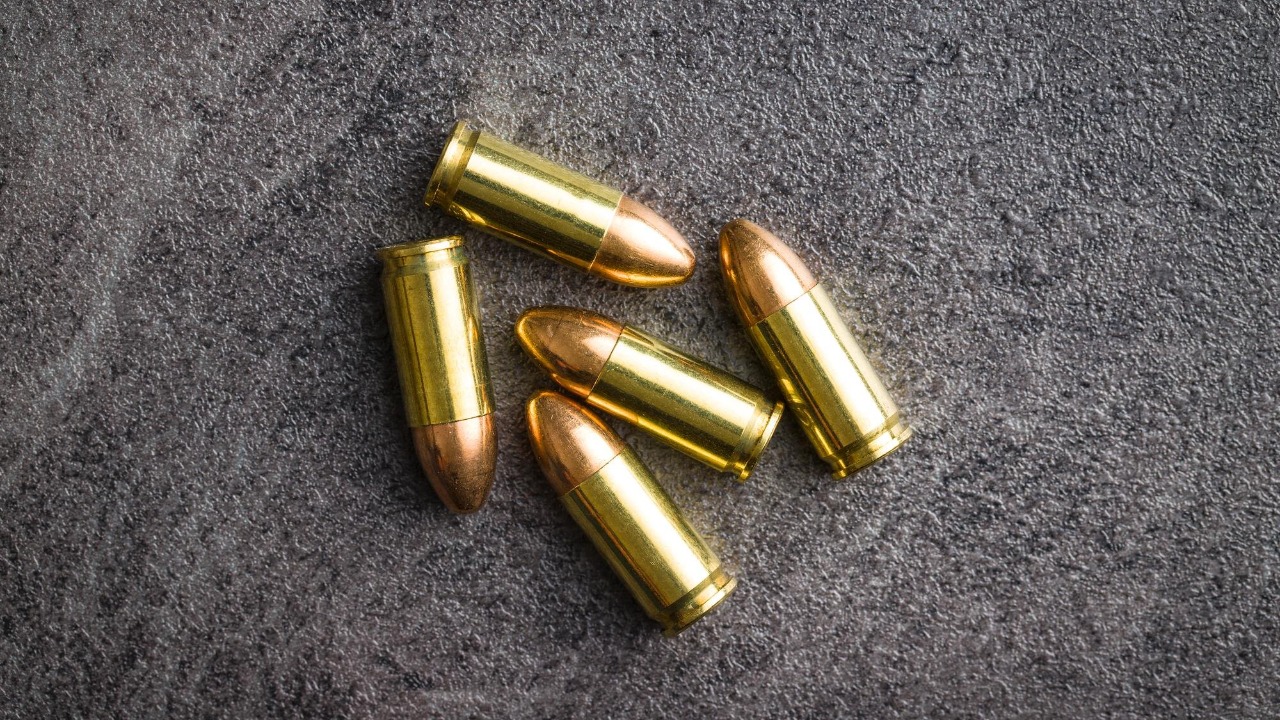
Advocates of large calibers often lean on the idea of “stopping power,” the comforting belief that a bigger bullet will solve problems that a smaller one might not. There is a kernel of truth in that, since larger rounds can carry more energy and create wider wound channels. However, that advantage only matters if the bullet actually hits something vital. A smaller caliber that you can place precisely, repeatedly, and under stress is far more useful than a heavy hitter that you spray around the edges of the target.
Technical overviews of calibers explain that smaller rounds like 9 mm are popular for self defense and training because they balance manageable recoil with adequate terminal performance, while larger calibers trade that comfort for more recoil and cost. Guidance on choosing a caliber stresses that bigger rounds can offer more energy, but they also increase recoil and make it harder for many shooters to maintain accuracy. In practical terms, that means a shooter who can keep a 9 mm on target through a rapid string of fire is likely to outperform the same shooter struggling to control a heavier .45 ACP, even if the larger round looks more impressive on paper.
Speed, follow-up shots, and real-world use
On a static range, with plenty of time and no pressure, it is possible to make big calibers look easy. The timer, however, is a ruthless truth teller. When you add a clock, movement, and the need for multiple hits, the extra recoil from larger rounds quickly shows up as slower splits and more misses. Each shot from a heavier caliber lifts the muzzle higher, pushes the gun farther off line, and demands more effort to bring it back, which stretches the time between accurate shots.
Discussions of cartridge performance for hunting highlight that smaller, efficient rounds let shooters place shots more precisely and recover faster for follow-ups, which is critical when an animal does not drop immediately. The same logic applies to defensive or competitive shooting. A caliber that lets you fire controlled pairs or longer strings without losing the sights is an asset, while one that forces you to pause and rebuild your grip after every shot is a liability. In real-world scenarios, the ability to deliver several accurate hits quickly usually matters more than the theoretical advantage of a single, harder hitting round.
Training, fatigue, and long-term skill
Even if you can muscle through the recoil of a larger caliber for a few magazines, the long game is where the drawbacks really stack up. Heavier recoil accelerates fatigue, both physical and mental. After enough rounds, your hands start to tremble, your shoulders tighten, and your focus narrows to “just get this over with” instead of “execute a clean trigger press.” That fatigue slows you down and erodes the consistency that good shooting depends on.
Guidance on caliber selection notes that smaller rounds are often cheaper and more comfortable to shoot, which encourages longer practice sessions and more repetitions of correct technique. Larger calibers, with their sharper recoil and higher cost, tend to shorten practice and make each shot feel like a minor event instead of a routine repetition. Over months and years, that difference in volume and quality of training translates into skill. The shooter who spends hours refining fundamentals with a mild caliber will usually be faster and more accurate than the one who fires a handful of punishing big bore rounds and calls it a day, no matter how impressive the cartridge looks on the box.