
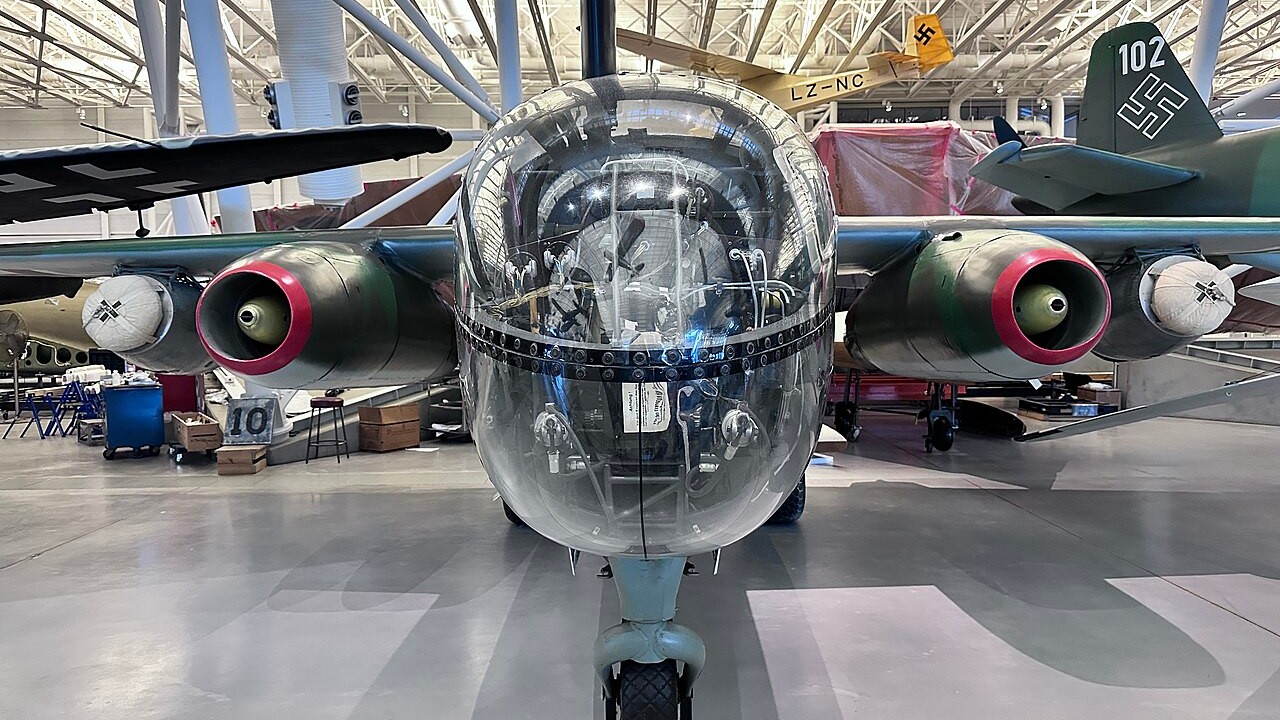
Spitfires, Mustangs and Corsairs still fill airshow skies every summer. Plenty of World War II aircraft survived in decent numbers, so a dedicated fan can see one almost every weekend. The Arado Ar 234 is a very different story, and it is far from alone.
For many important wartime designs, the survival rate was close to zero. Some were simply scrapped once peace arrived. Others were lost at sea, crashed in remote mountains or never left the prototype stage. As a result, a few types now exist only as a single airframe, a recovered wreck or a museum rebuild.
These are Combat Rated’s picks for nine WWII aircraft so rare that even serious collectors almost never see them. We have left out Japanese types, which get their own list. Every entry comes with a sourced survivor count and the place where that survivor lives.
1. Arado Ar 234 B-2 Blitz
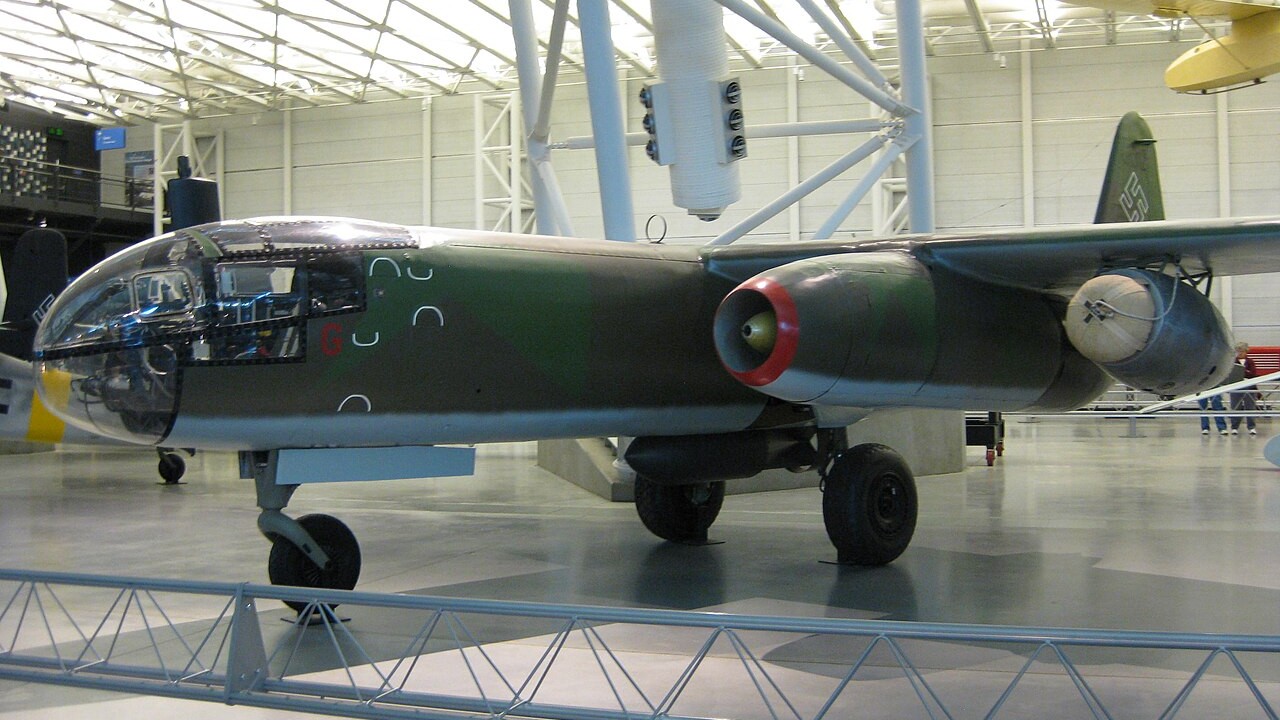
The Arado Ar 234 Blitz, or “Lightning,” was the world’s first operational jet bomber and reconnaissance aircraft. Its two jet engines made it a new kind of problem for Allied air defenses. In March 1945, Ar 234s of KG 76 attacked the Rhine bridgehead at Remagen, although they failed to bring down the Ludendorff railway bridge.
Production was meaningful but short. According to the Smithsonian’s record for its Ar 234, Arado finished and delivered all 200 of the Ar 234 B series ordered by the end of December 1944. Around 20 more were completed before the war ended. That is a respectable total for a jet in 1944, yet almost none outlived the surrender.
Today, the museum calls its aircraft the sole surviving example of an Ar 234. It is shown at the Steven F. Udvar-Hazy Center near Dulles Airport in Virginia. In our view, that makes the Blitz one of the most historically important single airframes anywhere. After all, jet bombers went on to shape the Cold War, and this is the last survivor of the type that started it.
2. Heinkel He 219 Uhu
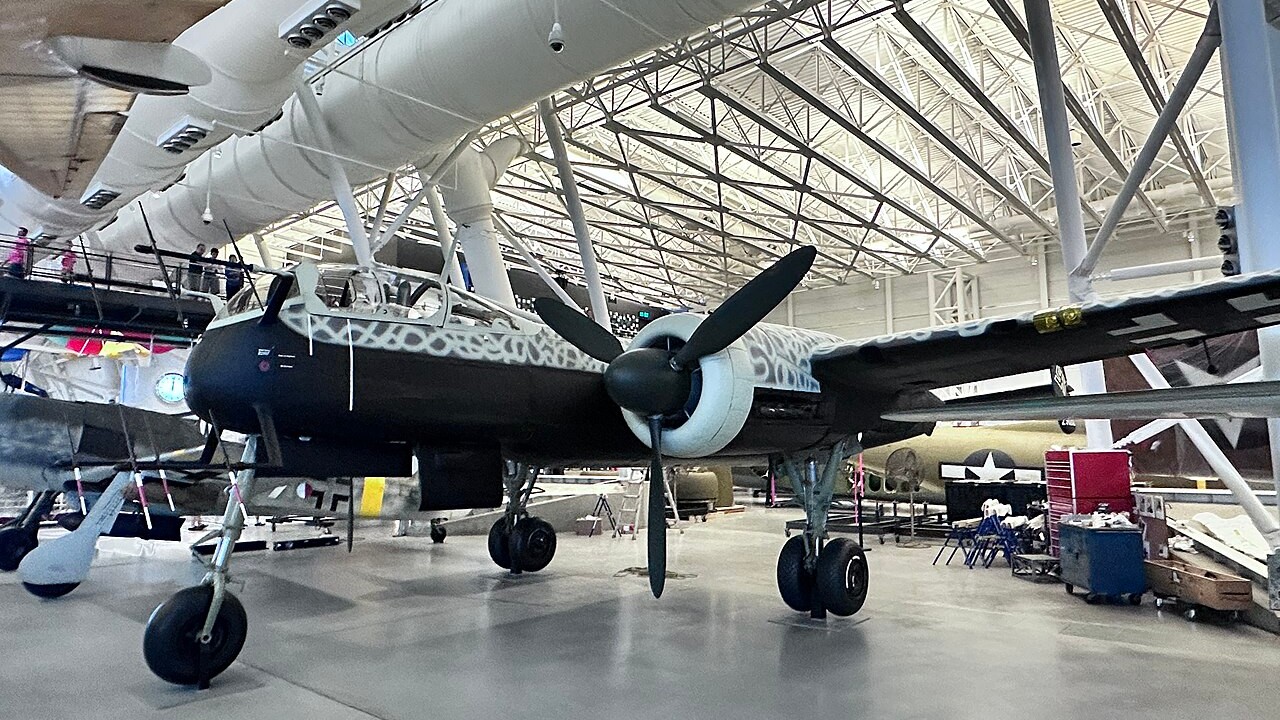
The Heinkel He 219 Uhu, or “Owl,” was a purpose-built German night fighter. It carried radar in its nose and hunted RAF bombers in the dark over the Reich. In our view, it was one of the most capable night fighters Germany ever fielded.
The Smithsonian lists its He 219 A-2 as a sole survivor in its catalog of one-and-only aircraft. However, a 2014 restoration report from Vintage Aviation News adds one nuance. Another substantially complete He 219 was recovered in pieces off the Danish coast and is being preserved in Jutland. Either way, the type survives in just two museum projects, one in Virginia and one in Denmark.
The Smithsonian aircraft has had a long road back. Its fuselage, engines and nacelles have been on display at the Udvar-Hazy Center for years. Meanwhile, restorers repaired and repainted the wings, then planned to recreate the missing nose radar array from a borrowed original antenna. In our opinion, few aircraft reward a patient visitor more, because a complete Uhu is something no one had seen since just after the war.
3. Blohm & Voss BV 155
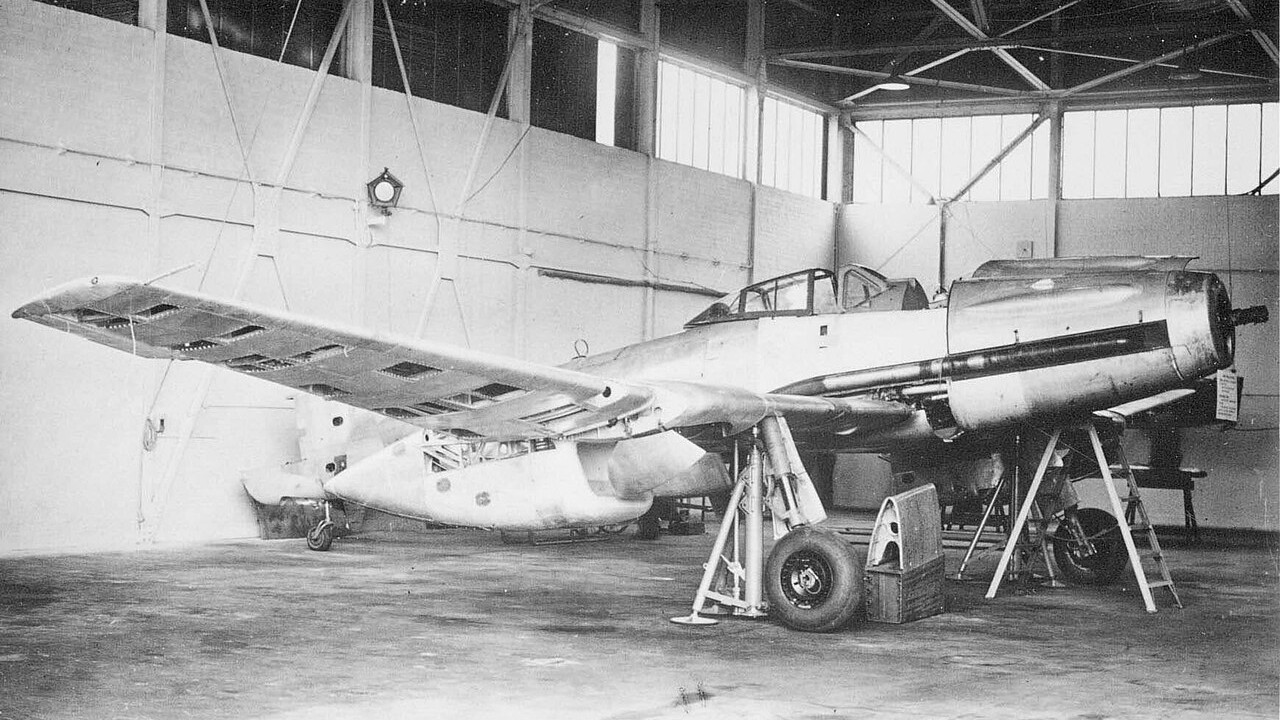
The Blohm & Voss BV 155 was Germany’s answer to a threat it feared but never fully faced. Planners expected American bombers to arrive at extreme altitude, so they ordered a fighter that could operate at about 52,500 feet. The design began at Messerschmitt as the Me 155 B, but Blohm & Voss largely discarded that work and reshaped it.
The result was strange and enormous. According to an in-depth history from Hush-Kit, its wingspan reached 20.33 meters, compared with 14.44 meters for the Ta 152 H. The first prototype flew only a handful of times. Then, on April 23, 1945, a Luftwaffe pilot wrecked it in a crash landing.
The second prototype was finished but never fully assembled, and it never flew. British forces captured it at the Finkenwärder works in Hamburg, then showed it at Farnborough in late 1945 before shipping it to the United States in January 1946. The Smithsonian’s list of one-and-only aircraft calls the BV 155 V2 a sole survivor. In our view, it is one of the most obscure airframes in the collection, because it sits in long-term storage at the Paul E. Garber Facility in Maryland, far from public view.
4. Dornier Do 17
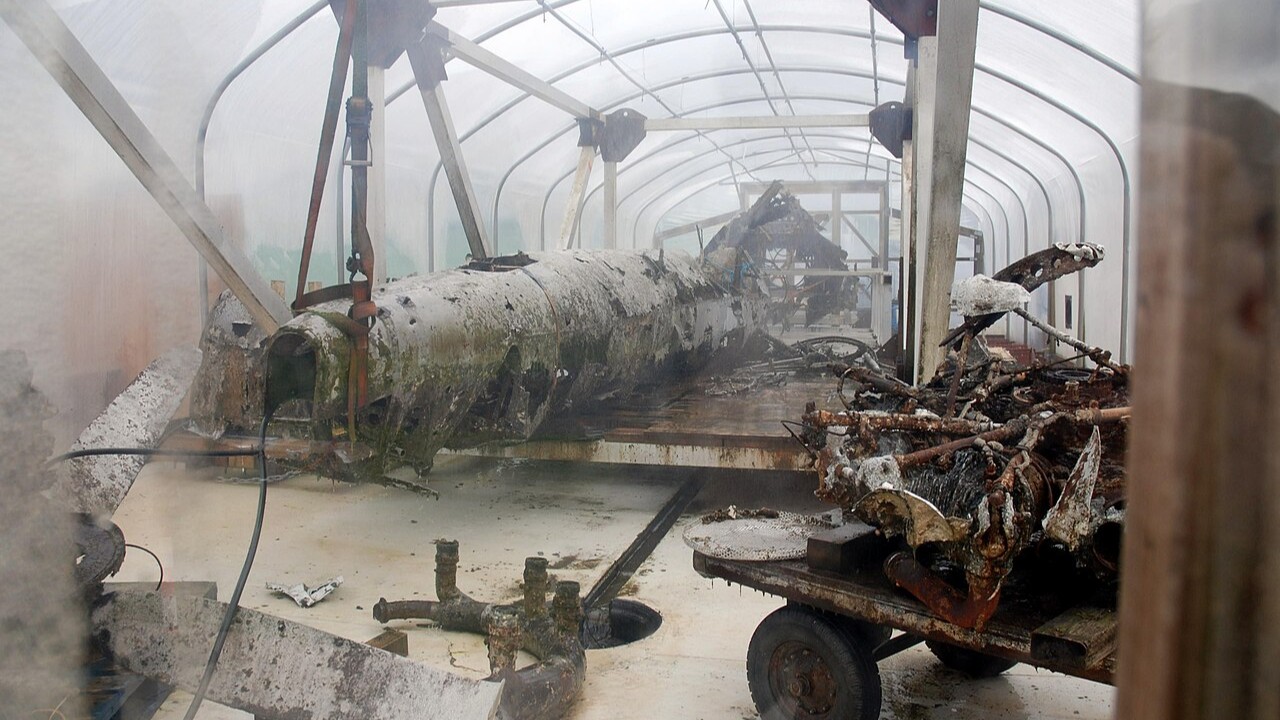
The Dornier Do 17 was a slim twin-engine bomber, nicknamed the “Flying Pencil.” It formed a key part of the Luftwaffe’s bomber force in 1940. More than 1,500 were built, and over 400 took part in the Battle of Britain. Its thin fuselage made it a distinctive sight over southern England that summer.
Yet only one remains complete. On 26 August 1940, a Boulton Paul Defiant shot down this Do 17 off the Kent coast. It then lay about 50 feet down on the Goodwin Sands for more than 70 years. As the UK government’s announcement of the 2013 lift notes, it was the only known example of a WWII Do 17.
Conservation took years in purpose-built hydration tunnels, and the fuselage, wings and engines emerged between 2014 and 2015. In late 2024, the museum announced that the wing section, engines and propellers would go on display at RAF Museum Midlands, alongside a Defiant. The fuselage, however, remains in storage because of hangar space limits. In our view, few relics tell the Battle of Britain story more directly than this one.
5. Northrop P-61 Black Widow
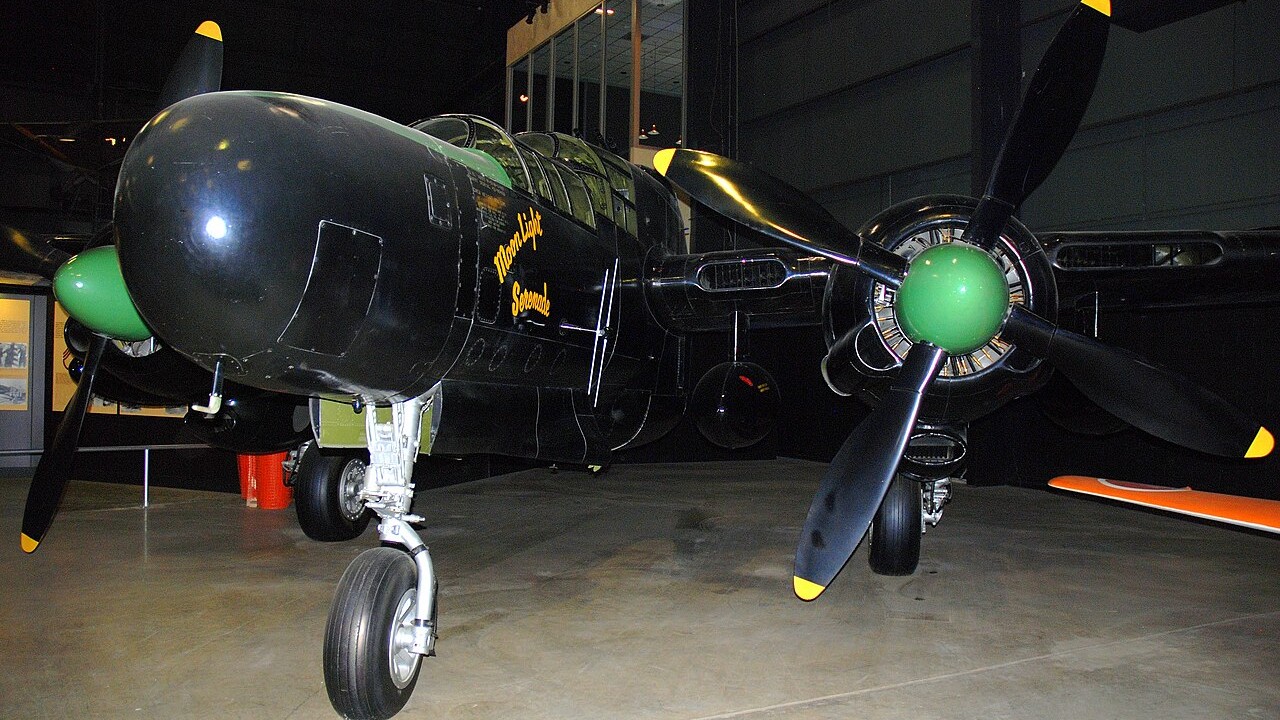
The Northrop P-61 Black Widow was the first American aircraft designed specifically as a night fighter. Radar in its nose let a crew of two or three find enemy aircraft in total darkness and close in for the attack. Big, heavily armed and twin-boomed, it was impossible to mistake for anything else.
According to the National Museum of the US Air Force, Northrop built about 700 P-61s during the war, including 41 C models. Even so, only four airframes are generally listed as survivors. The museum in Dayton displays one, which a Boy Scouts council presented in 1958. Another belongs to the Smithsonian’s National Air and Space Museum.
The other two are even harder to see. The Mid-Atlantic Air Museum in Reading, Pennsylvania, has spent decades restoring a P-61B recovered from a mountainside in Papua, Indonesia. Meanwhile, a fourth airframe stood for years at a university in Beijing, but its current status is uncertain. In our opinion, that is a thin legacy for the type that defined American night fighting, and Dayton remains the surest place to see one.
6. Curtiss XP-55 Ascender
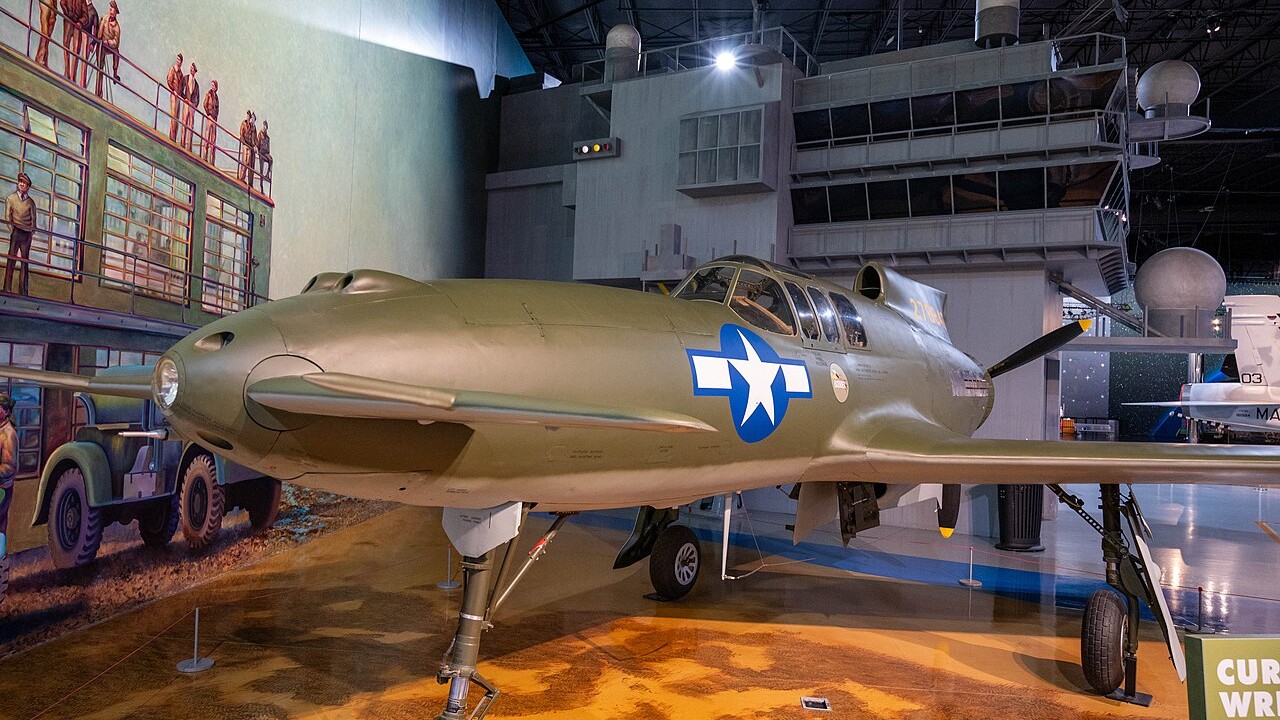
The Curtiss XP-55 Ascender was a canard pusher fighter, with its engine and propeller in the back. It was one of several radical designs the US Army tested during the war. Because of its odd shape, it is often described as a fighter that flew tail first.
The Army issued a contract for three prototypes on July 10, 1942. The first crashed during a stall test on November 15, 1943, though its pilot bailed out. Later, the third prototype crashed at Wright Field during an air show, which ended the program. In our view, the Ascender shows how boldly American designers experimented when the war demanded more speed, and also that not every bold idea works.
Only prototype number two survives. It first flew on January 9, 1944, with major restrictions on how hard it could maneuver. The Smithsonian calls it the “second and last remaining prototype,” and in 2001 it loaned the aircraft to the Kalamazoo Air Zoo in Michigan. By 2006, the Air Zoo had finished the restoration, and the aircraft remains on display there, a lucky break for anyone who loves the strange side of aviation history.
7. Fairey Barracuda
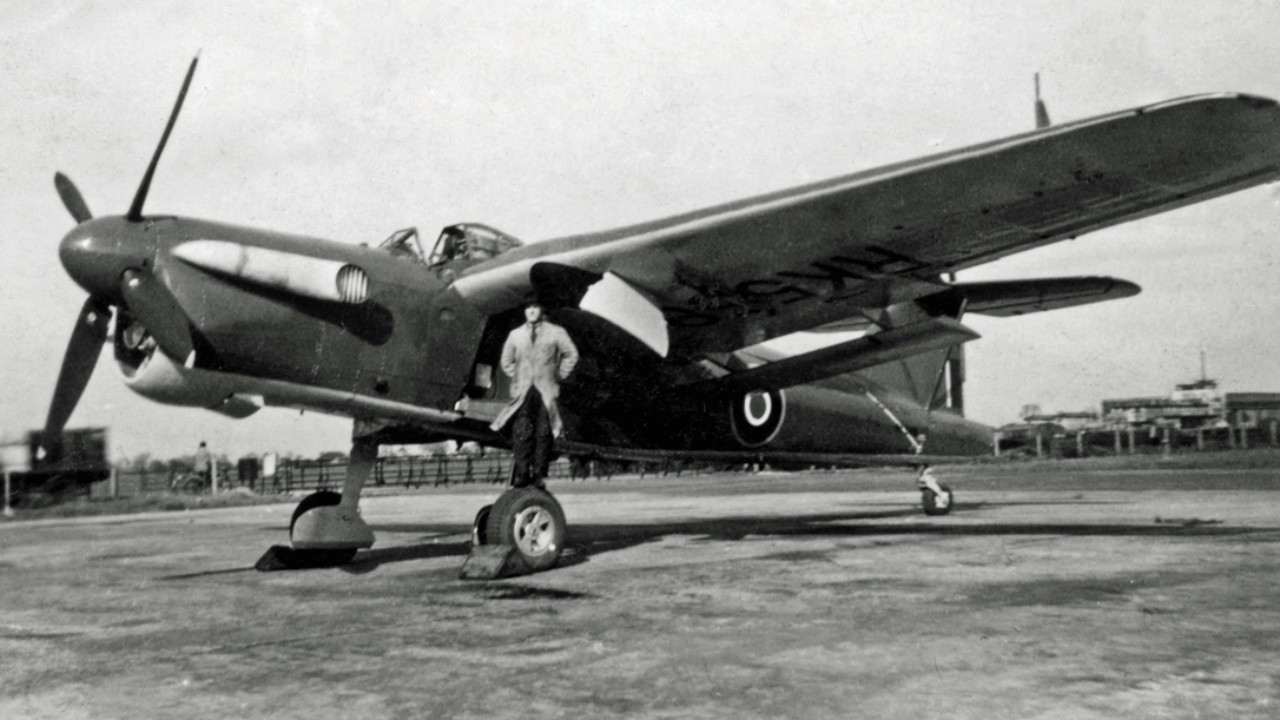
The Fairey Barracuda was a Royal Navy torpedo and dive bomber with a distinctive high wing. Barracudas flew from British carriers in several major operations, including the famous attacks on the battleship Tirpitz in Norway. It was never pretty, but Fairey produced it in large numbers for the Fleet Air Arm.
In fact, the Royal Navy reports that some 2,600 were built. Yet not a single intact Barracuda remains anywhere in the world today. Every one was eventually scrapped or lost. For a type built by the thousand, that is a remarkable disappearing act.
That is why the Fleet Air Arm Museum at Yeovilton, in Somerset, is building one back from wreckage. Its rebuild uses an aircraft recovered from a bog in Northern Ireland more than 50 years ago. In August 2025, the long-running project received a £50,000 boost, and visitors can watch the work in person under the name “Barracuda Live.” In our opinion, this is one of the most worthwhile restorations in Britain, because it brings back a type that would otherwise exist only in photographs.
8. Blackburn Skua
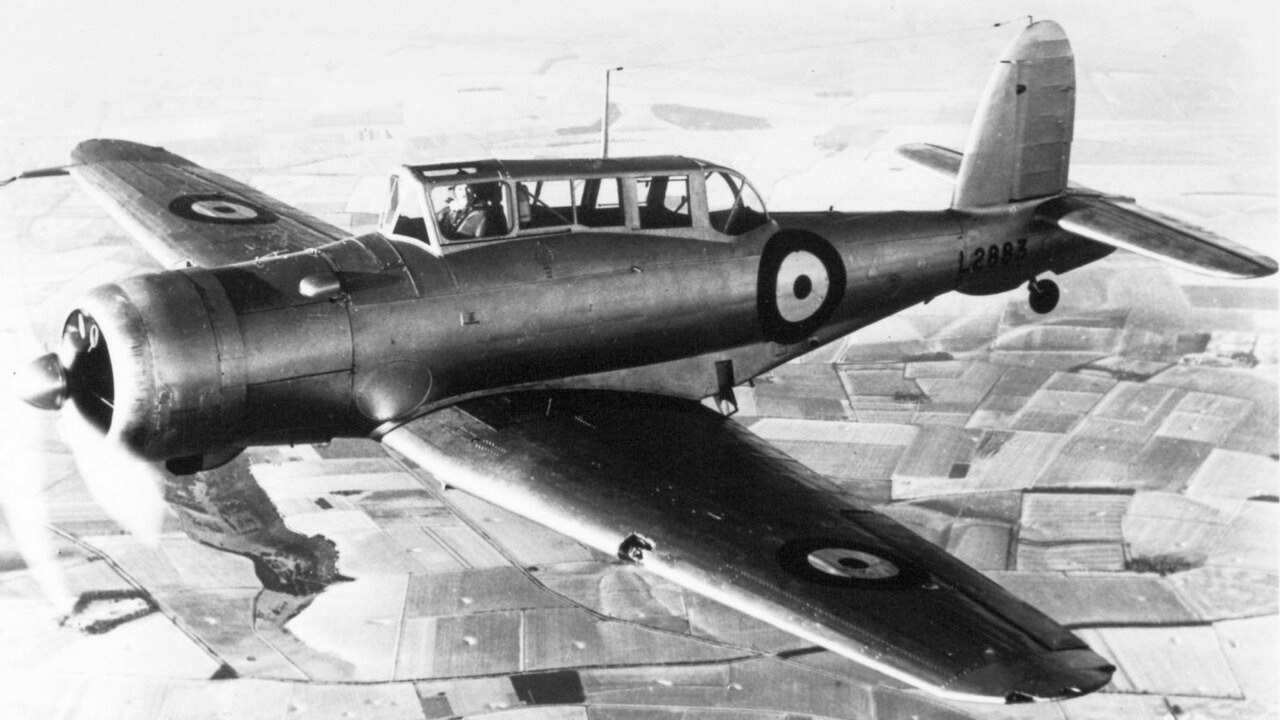
The Blackburn Skua was the Royal Navy’s first monoplane fighter and Britain’s first purpose-built dive bomber. Skuas flew some of the earliest British combat missions of the war, especially over Norway in 1940. By later standards it was slow, but it gave the Fleet Air Arm its first real taste of carrier dive-bombing. In our view, it was asked to do too much as both a fighter and a dive bomber.
No complete Skua survives. One airframe recovered from a Norwegian lake in 1974 is displayed in unrestored condition at the Fleet Air Arm Museum. A second wreck was found in a Norwegian fjord in 2007, after it went down attacking the battleship Scharnhorst at Trondheim. It was later raised from a depth of almost 800 feet.
Now, the Fleet Air Arm Museum and the Norwegian Aviation Museum in Bodø are helping each other rebuild two Skuas. One will stay at Yeovilton, and the other will remain in Norway. Those two are likely to be the only examples in existence. In our view, that partnership is fitting, since Norway is where the Skua made its name.
9. PZL P.11c
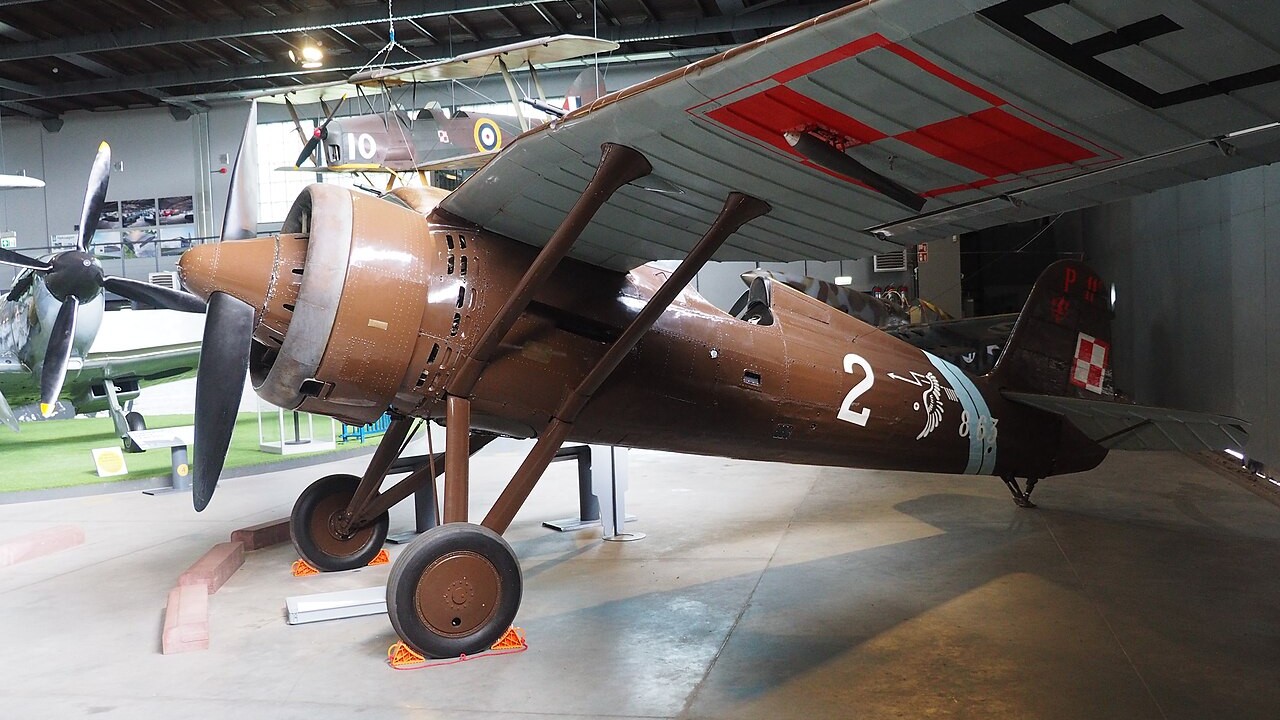
The PZL P.11c was Poland’s main fighter when Germany invaded in September 1939. Its gull wing gave pilots an excellent view, but newer German designs already outclassed it. Even so, Polish pilots flew it hard against the Luftwaffe in the campaign’s opening days. In our view, few fighters went to war with less of an edge.
One story shows what they faced. On 3 September 1939, Lieutenant Wacław Król attacked German He 111P bombers when his P.11c was hit by defensive fire. He bailed out over the Niepołomice Forest, and the crash site stayed unknown for decades. Researchers finally found parts of the wreck in April 2012.
Those relics went on show in Kraków from November 2025 to January 2026. More importantly, the same museum holds what it calls the only surviving example in the world of the PZL P.11c fighter. In our opinion, that makes the Polish Aviation Museum in Kraków an essential stop for any WWII aviation fan in Europe. Its P.11c is the last complete survivor of a fighter that met the Luftwaffe in the first days of the war.