
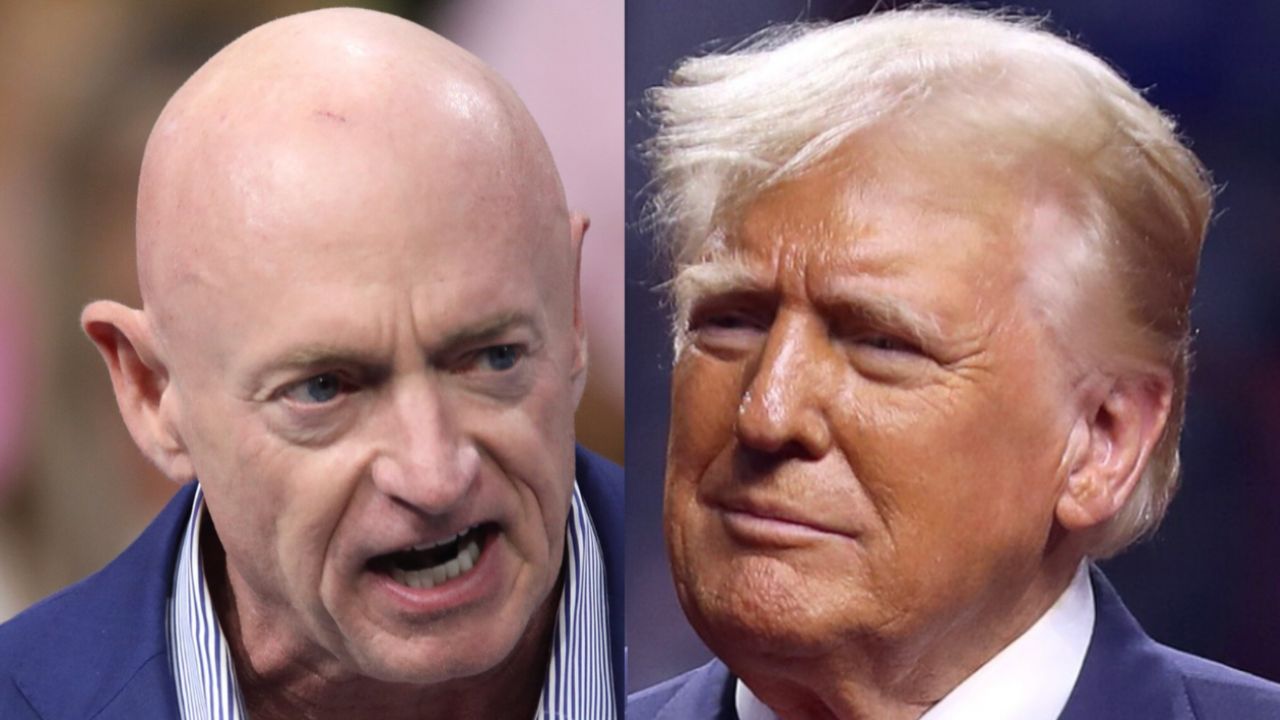
Sen. Mark Kelly of Arizona renewed his criticism of President Donald Trump’s war with Iran on Monday, November 2, arguing that the conflict has continued for eight months without a clear explanation of its objectives or an established timeline for ending it. The Democratic senator linked the administration’s military decisions to the rising cost of living, saying Americans are struggling financially while the White House has failed to explain what the war was intended to accomplish.
Kelly’s latest statement reflects a position he has maintained throughout the conflict, including repeated criticism of the administration’s lack of strategic planning, its decision to initiate hostilities without congressional authorization and the potential consequences for American servicemembers and national security.
Kelly’s full X post reads:
“It’s been eight months since Trump bypassed Congress and started a war with Iran. Prices are still rising, Americans can barely afford their lives, and this Administration still can’t explain what this was supposed to achieve or when it will end.”
10:55 AM · Nov 2, 2026
The senator’s reference to Congress concerns the constitutional division of war powers. Article I of the Constitution grants Congress the authority to declare war, while the president serves as commander in chief. Kelly has argued that the administration should have sought congressional authorization for offensive military operations against Iran.
On June 27, 2025, Kelly voted in favor of a War Powers Resolution led by Sen. Tim Kaine that sought to direct the removal of U.S. forces from unauthorized hostilities against Iran. Kelly said the American people and servicemembers deserved a genuine debate before the country entered a war.
Kelly’s position became more pronounced after the conflict began in February 2026. In March, he warned that the administration lacked a clear objective, timeline, end state or exit strategy. He raised the issue during Senate intelligence hearings, questioning officials about what Trump knew before the conflict escalated.
On March 4, Kelly also warned that the absence of a defined goal and timeline could place additional American servicemembers at risk. His criticism centered on the potential for an extended conflict without a clear strategic endpoint.
The senator reiterated those concerns in an April 15 Senate floor speech, stating that the United States and Israel were fighting Iran without a clear strategy or goal. Kelly also distinguished his opposition to the war from his support for Israel’s security and right to exist.
Kelly has also joined colleagues in pursuing additional War Powers votes. On April 13, his office announced that he would join a group of senators filing another resolution aimed at ending the conflict and reasserting Congress’s role in decisions involving war and peace.
The senator’s criticism has extended beyond military planning. He has argued that the conflict’s economic consequences are affecting Americans at home, particularly through energy prices and the cost of essential goods. The war’s disruption of shipping and energy markets has contributed to higher fuel costs.
Reuters reported in September that the war had cost the United States approximately $38 billion through August 1, with costs projected to increase by $3 billion per month. A Pentagon estimate obtained by Reuters on October 28 placed the overall cost above $47 billion.
The financial burden is also becoming a political issue ahead of Tuesday’s midterm elections. Kelly’s statement connects the administration’s military decisions to broader concerns about affordability, an issue that has become central to Democratic criticism of Trump’s second term.
Kelly’s record shows that his opposition to the Iran war is not limited to the latest social media post. He has voted for War Powers restrictions, participated in efforts to force Senate votes and repeatedly questioned the administration’s strategic planning.
His November 2 statement places those criticisms into a broader argument: that the administration has continued a costly military conflict without adequately explaining its objectives, duration or consequences to the American public.