
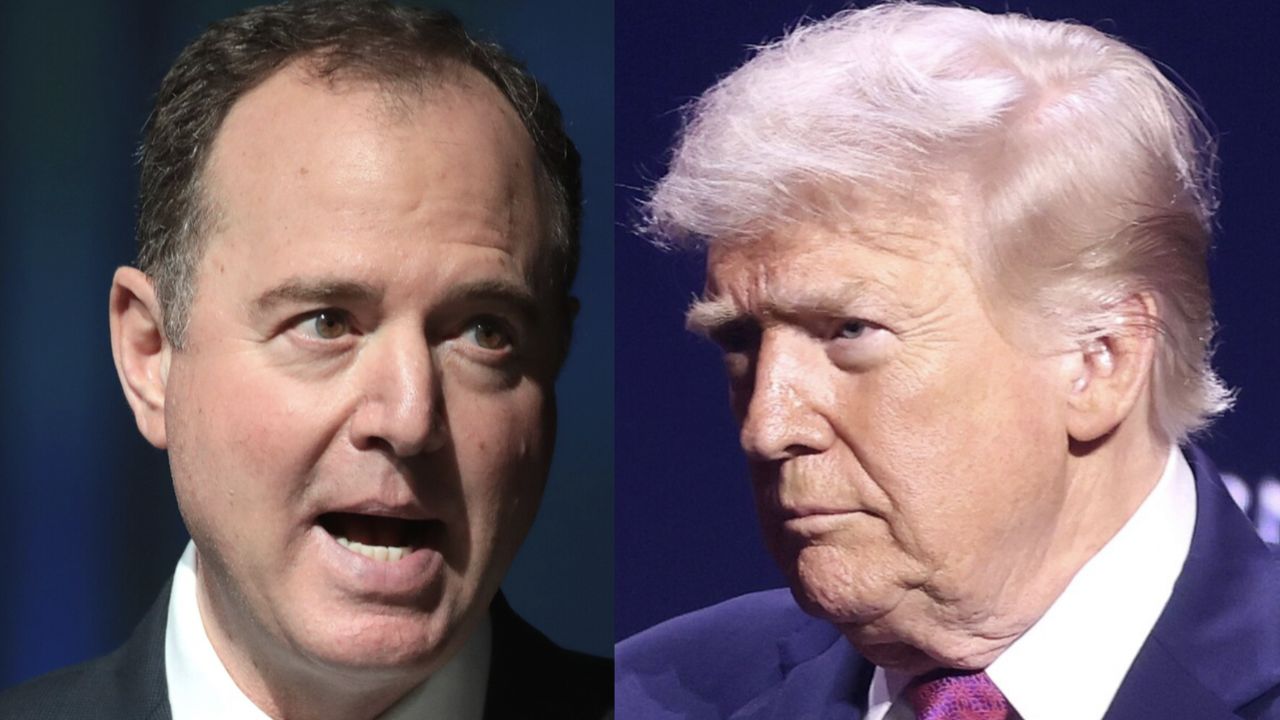
Sen. Adam Schiff (D-Calif.) said Friday that Trump’s deal with Russia amounts to “the art of the Russian deal,” saying Vladimir Putin “gets massive sanctions relief,” Ukraine “gets its defenses crippled,” and the United States “gets less than one day’s worth of diesel and no meaningful relief at the pump.”
Schiff’s post, published at 4:20 p.m. on Oct. 23, 2026, attatched an NBC News report published that morning headlined “Russian diesel tanker heads to the U.S., the first since Trump’s deal with Putin.” The report said a tanker loaded with diesel left Russia on Friday, the first shipment since Trump agreed with Putin to release more fuel into the global market, and that the Kremlin confirmed its departure.
Schiff’s full post reads:
Trump’s art of the Russian deal.
Putin gets massive sanctions relief. Ukraine gets its defenses crippled.
And the United States gets less than one day’s worth of diesel and no meaningful relief at the pump.
The Tanker and Its Cargo
The Malta-flagged tanker Agioi Fanendes left the Russian port of Primorsk and listed New York as its destination, according to MarineTraffic tracking data reviewed in the report. Energy Aspects said the ship loaded 298,000 barrels of diesel and is expected to arrive Nov. 10, just after the midterm elections.
Energy Aspects analysts said the cargo’s impact would likely be limited. U.S. daily diesel demand is about 3.8 million barrels, so the shipment would not cover a full day’s usage. Diesel has risen from an average of $3.55 per gallon at the start of the year to $6.32, an increase of 78%.
Kremlin spokesman Dmitry Peskov said the first tanker had departed and further shipments would continue on a regular basis.
The Sanctions Relief
Trump announced the deal Oct. 9 after a call with Putin, saying lower prices for Americans, especially farmers, ranchers and truckers, were “my Greatest Priority.” The Treasury Department issued a temporary license allowing Russian diesel to flow to global markets until April 2027, the first diesel sanctions easing beyond the standard 30-day window since the start of the Ukraine war.
Trump had signed the Lindsey O. Graham Sanctioning Russia and Iran Act of 2026 on Sept. 18. On Oct. 16, days before its Oct. 18 implementation date, he issued an executive order waiving key sanctions, restrictions and duties under it, certifying to Congress that the waiver was in the national interests of the United States.
On Oct. 14, a bipartisan group of 12 senators, six Republicans and six Democrats, urged Trump to rescind the diesel deal, calling it “a gift to our adversary and a betrayal of our Allies.”
Trump defended the deal on Oct. 12, writing, “I made the right choice for the American People.” He said the European Union had paid Russia $250 billion for energy.
Ukraine’s Defenses and Pump Prices
Ukraine’s access to Starshield was throttled beginning Oct. 14, and President Volodymyr Zelenskyy said the United States lapsed on intelligence about Russian ballistic missile launches for three days before resuming. Zelenskyy said Oct. 21 that Starlink and Starshield remain “still restricted.” Secretary of War Pete Hegseth has said the Pentagon issued no directives restricting Starshield, and Secretary of State Marco Rubio denied a pause in intelligence sharing.
On fuel prices, Bank of America’s head of global commodities, Francisco Blanch, wrote that “policy intervention can provide temporary relief, but there is no silver bullet for diesel.” Trump has also signed an order allowing wider use of off-road diesel and pressed European allies to release diesel reserves, steps the report said experts expect to do little to ease prices.
Schiff’s Record on Russia and Ukraine
On Feb. 19, 2025, Schiff issued a statement on Trump’s comments attacking Zelenskyy, saying Trump had left Ukraine out of negotiations over its own future and blamed Ukraine for being invaded. He said Trump had undermined Ukraine’s negotiating position and compromised U.S. national security.
On Feb. 24, 2025, the third anniversary of Russia’s full-scale invasion, Schiff urged the Senate to reaffirm support for Ukraine on a bipartisan basis and continue providing assistance. He had joined Sen. Lindsey Graham (R-S.C.), Sen. Sheldon Whitehouse (D-R.I.) and colleagues on a bipartisan delegation to the Munich Security Conference the week before.
On March 4, 2025, Schiff said that in withholding military support, Trump had “emboldened Vladimir Putin,” weakened the United States and put allies in Europe at risk. He urged Congress to press the White House to resume support for Ukraine.
On Aug. 15, 2025, Schiff told CNN ahead of the U.S.-Russia summit that he was concerned about how easily Trump could be manipulated by Putin, and that the U.S. position in any negotiation should be to stand firmly with Ukraine.