
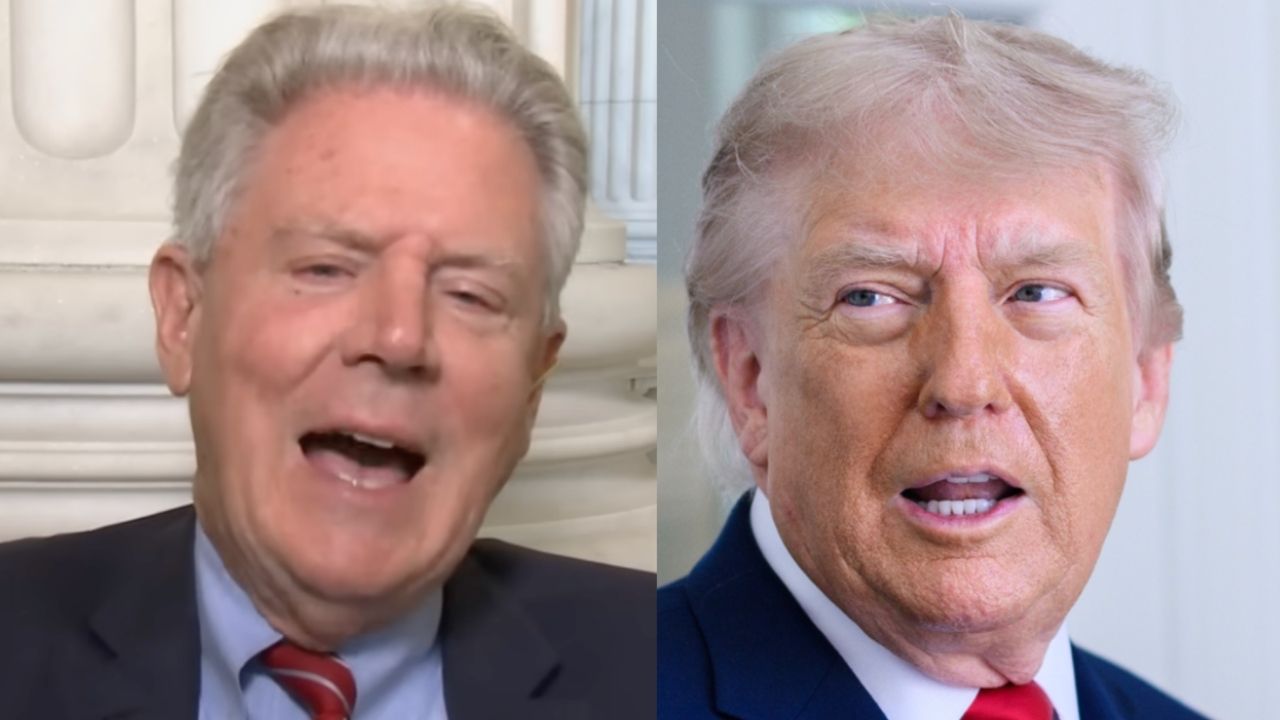
Rep. Frank Pallone (D-N.J.), the ranking member of the House Energy and Commerce Committee, said Friday that one in six U.S. households is behind on utility bills and that the problem “is only going to get worse” as energy prices rise because of President Donald Trump’s war with Iran. He called the figure “staggering” and said he is fighting to end the war, reverse Trump’s tariffs and make corporations pay their fair share.
Pallone posted the statement on X at 10:56 a.m. on Oct. 23, 2026, in response to a New York Times article.
Pallone’s full post read:
“One in six households in the United States is behind on their utility bills, and it’s only going to get worse as energy prices soar because of Trump’s Iran War. This is staggering.
Trump may have broken his promise to lower your bills – but I’m fighting to end Trump’s Iran War, reverse his tariffs, and make sure corporations are paying their fair share.”
What the Linked Report Says
The Oct. 18 article, titled “This Is What America’s Utility Bill Crisis Looks Like,” follows families in McAlester, Okla. Genia Weitz, 58, received a disconnection notice for a $1,340.96 balance. She and her husband, who use an oxygen machine and a CPAP machine, have confined themselves to a 300-square-foot living room to save on electricity.
The article says the past three months were about three degrees above average, making it the hottest summer on record in the United States. It says about one in six households is already behind on utility bills according to federal data. More than a dozen hot-weather states restrict shutoffs during dangerous heat, so disconnections tend to peak in October.
The Public Service Company of Oklahoma told customers it faces rising costs for fuel, equipment, grid upgrades, extreme weather and new large customers such as data centers. It said its rates remain below the national average and attributed higher summer bills largely to heat. The article says the company planned to invest $1.2 billion in new generation and storage, and that PSO’s 2024 disconnection rate was the highest of any investor-owned utility in federal data. The company said most shutoffs involved prepaid accounts that reconnect after payment.
Weitz’s daughter-in-law, Autumn Cooper, 24, uses a prepaid plan and monitors her balance daily; it stood at $2.46 on the day described. She started a petition seeking more affordable and transparent bills, which had 24 signatures. The article does not address the Iran war or tariffs as causes.
Pallone on the Iran War and Costs
Pallone voted for the War Powers Resolution on March 5, 2026, saying the Constitution is clear that “only Congress can declare war.”
At a March 26 teletown hall with more than 10,400 constituents, Pallone said households were being squeezed by higher grocery, gas, health care and utility bills. He tied that pressure to what he called Trump’s unauthorized war and broader economic agenda.
On May 6, Pallone joined Reps. Robert Garcia, Don Beyer and other ranking members in a letter demanding answers on how the war is raising living costs. The letter said consumer prices had reached their fastest growth in almost two years and that the war cost about $2 billion a day in its initial phase.
Pallone on Utility Bills and Trump’s Promise
On March 19, 2026, Pallone urged federal regulators to act before another increase hit New Jersey ratepayers, noting residential rates were roughly 18 percent higher than a year earlier. His letter cited tariff-related supply chain disruptions and the repeal of key energy tax credits.
In September 2025, Pallone said Trump ran on a promise to cut energy costs in half in his first year. He said the 2025 reconciliation law instead gives tax breaks to “billionaire friends” while sending utility bills higher, and that it is projected to raise electricity prices 61 percent over the next decade.
Pallone on Tariffs
At a November 2025 markup, Pallone said utility bills were skyrocketing and that Trump’s tariffs were being passed on to consumers. He has also said tariffs would cost families nearly $5,000 a year.
What Remains Unresolved
The linked article attributes the Oklahoma bills mainly to heat, fuel and equipment costs, grid investment and large-load customers, rather than to the war or tariffs that Pallone cites. Pallone’s post does not specify which corporations or what level of taxation he considers a fair share.