
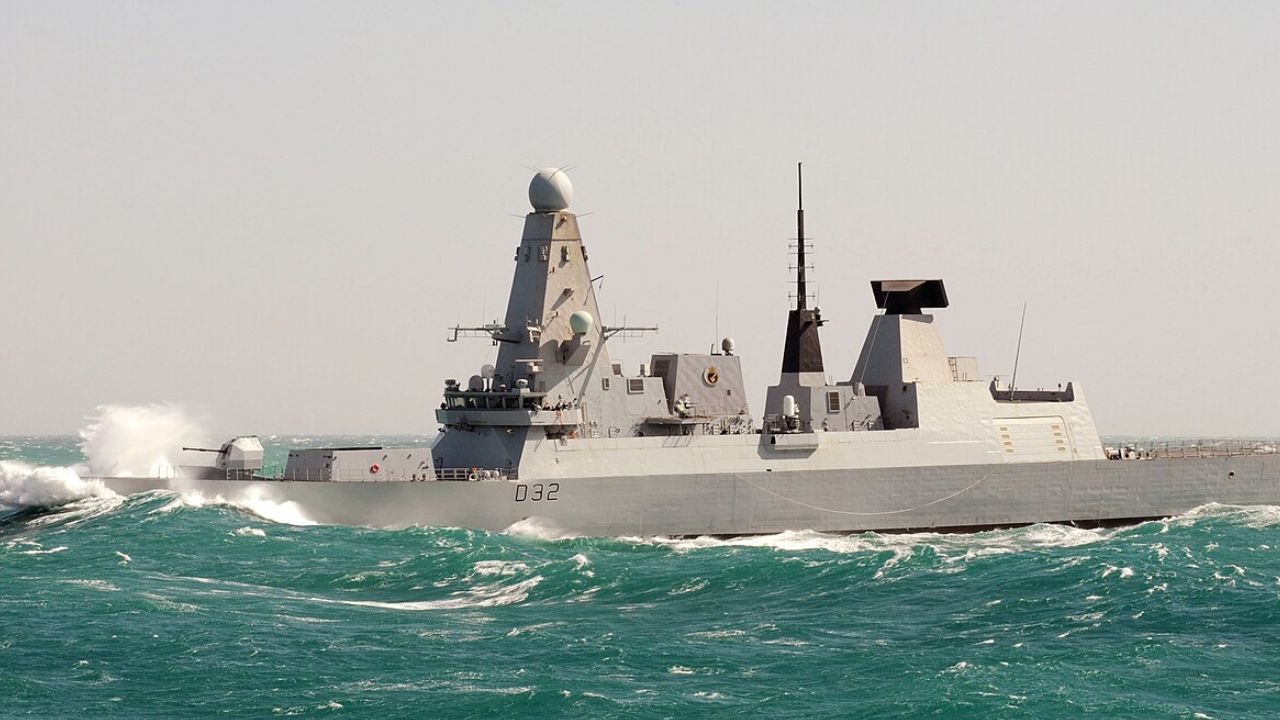
Modern anti-ship and air-defense missiles don’t just reward fast reaction times—they reward fleets that can keep sensors, software, and power generation current. Across several allied navies, the response isn’t always a brand-new hull. It’s a deliberate decision to upgrade existing destroyer classes that were built for an earlier threat pace and keep them credible in today’s missile age, especially while replacement programs take time to arrive.
These upgrade paths vary for a reason. Some navies are extending service lives to keep enough missile-defense-capable hulls available. Others are fixing foundational engineering issues so ships can reliably deploy. And others are leaning into Aegis modernization—where a combat-system refresh can materially change what a ship can do without changing its outward appearance.
Arleigh Burke-class (DDG-51) guided-missile destroyers (U.S.)
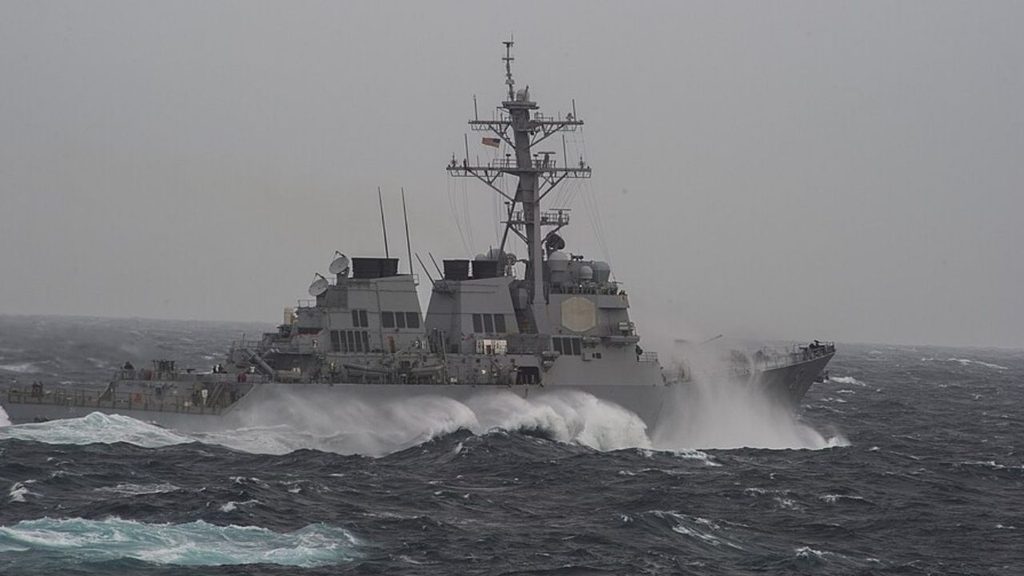
The U.S. Navy’s Arleigh Burke-class is the workhorse of its destroyer force, and the service is signaling it doesn’t intend to retire the earliest ships strictly on the original timeline. The U.S. Navy has formally moved to operate some Flight I DDG-51s beyond their original roughly 35-year expected service life via service-life extension actions and announcements, according to navy.mil. That decision points to a clear approach: preserve near-term capacity by extending hull life while continuing combat-system modernization.
The significance is straightforward. When a ship designed for about 35 years is deliberately extended, the Navy is effectively saying the platform still has enough operational value to justify investment. In practical missile-age terms, this is about keeping more deployable destroyers available for missions where modern sensors and integrated air and missile defense matter—and where demand can outpace the speed of new construction.
Type 45 / Daring-class destroyers (Royal Navy, UK)
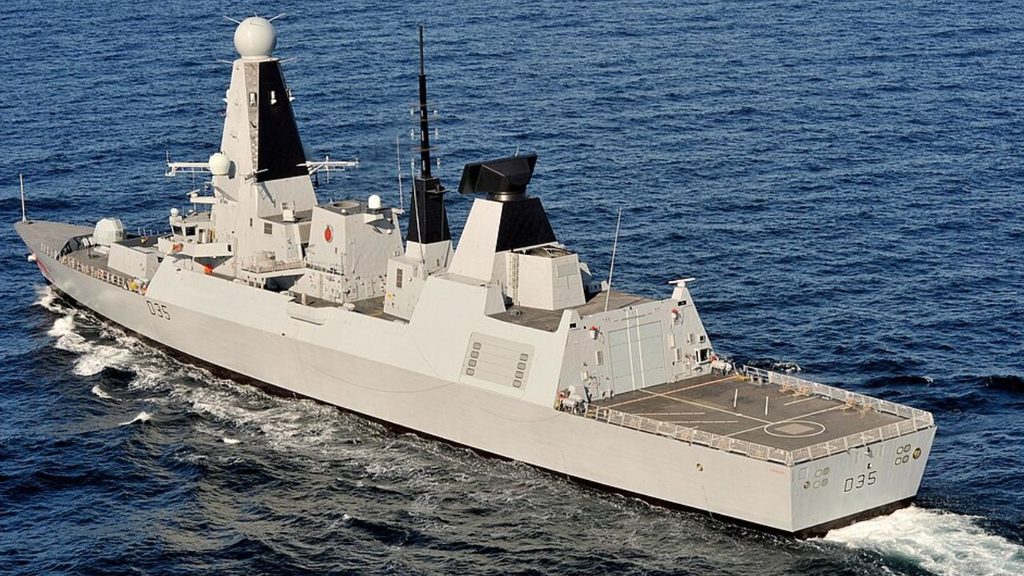
Britain’s Type 45 destroyers were built as high-end air-defense ships, but their public narrative has been shaped by power and propulsion reliability issues. The “stay relevant” story here is as much about availability as it is about combat systems: an air-defense destroyer only matters if it can get to sea and remain on station. BAE Systems describes an ongoing Type 45 Power Improvement Project (PIP) intended to improve resilience of the class’s power and propulsion by adding/replacing diesel generation and modifying high-voltage systems across the fleet.
That framing matters because it ties modernization to a foundational requirement—reliable power margins—rather than treating upgrades as optional enhancements. Public summaries of what has been installed versus what remains planned can lag behind real program status, so for readers trying to track what the fleet is actually receiving, MoD/industry documentation and specialist reporting are a firmer guide than informal secondary compilations.
Kongō-class Aegis destroyers (JMSDF, Japan)

Japan’s Kongō-class fits the theme in a different way. These are early Aegis destroyers whose relevance persists because ballistic missile defense (BMD) and air-defense demands continue to evolve. Here, the clearest public signal is lifecycle planning that treats the ships as strategically important but not indefinite. Japan’s Ministry of Defense FY2025 budget materials explicitly discuss research for a successor to the Kongō-class Aegis destroyers and note they’re scheduled to be decommissioned, according to the MOD document (mod.go.jp).
In missile-age terms, that combination—successor research alongside an acknowledged decommissioning timeline—underscores the real constraint navies face: even key ships have a clock, so capability must be sustained until replacements are ready. Combat-system baseline details for Kongō-class are often reported inconsistently in secondary sources, so precise baseline claims should be treated cautiously unless tied to a primary Japanese document or top-tier specialist reporting.
Atago-class destroyers (JMSDF, Japan)

The Atago-class provides a more direct illustration of how a combat-system refresh can keep a destroyer current without building a new one. As follow-on Japanese Aegis destroyers, these ships are frequently discussed in terms of modernization to newer Aegis baselines—an approach that can deliver meaningful gains through software, integration, and overall weapon-system coherence. One widely circulated summary—Wikipedia’s Atago-class entry—states the class has been updated through modernization from its initial Aegis baseline to a Baseline 9 configuration (often cited as Baseline “9C”).
That baseline notation should be treated as provisional unless confirmed by a defense ministry statement, contractor release, or specialist publication like Janes. Even so, the broader point holds: in missile-heavy scenarios, combat-system modernization is often what determines whether an older hull can integrate cleanly into demanding air-defense architectures or is limited to narrower roles.
Hobart-class guided-missile destroyers (Royal Australian Navy)

Australia’s Hobart-class highlights what modernization looks like in a small but high-value fleet. The Australian Department of Defence’s Naval Shipbuilding and Sustainment Plan states that, from mid-2025, upgrades under the Destroyer Capability Enhancement Program include integrating a modernised Aegis Weapon System (Baseline 9) alongside other capability enhancements (defence.gov.au). For a navy with only three of these destroyers, a defined modernization pathway is also a strategic choice: each hull has to remain highly capable to preserve national and allied options.
The detail that matters most is the timeline—Baseline 9 integration beginning from mid-2025—because it anchors the upgrade in an announced schedule rather than general intent. In operational terms, it’s about keeping the ships relevant for modern missile-defense and strike roles as threat systems evolve faster than shipbuilding cycles.
Taken together, these five classes show what “staying relevant” looks like in the missile age: service-life extensions to protect near-term capacity, engineering fixes that restore reliable availability, and combat-system modernization that keeps ships tactically useful as the threat environment changes. The near-term outcome is more capable destroyers available for deterrence and crisis response; the longer-term question is whether these upgrade pipelines are strong enough to prevent a sudden drop in missile-defense capacity while new ships are still on the way.