
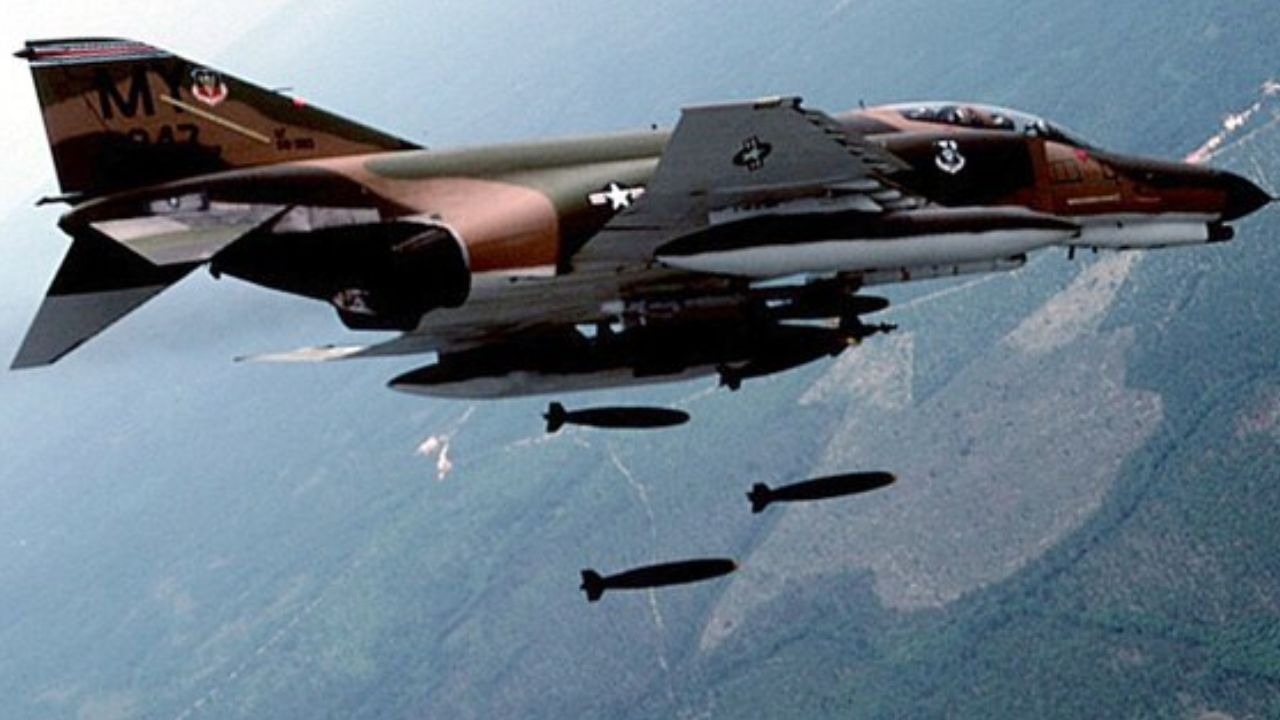
Calling a jet “impossible for its era” is shorthand for a real pattern in airpower history: moments when engineering, sensors, or operational concepts leapt ahead of what opponents—and sometimes even the aircraft’s own service—were ready to answer. The shock is not always a single speed or altitude figure. Often, it’s the way an aircraft changes the rules of detection, interception, or beyond-visual-range combat. What links the jets below is a temporary mismatch between what air defenses expected and what these aircraft could actually do.
Lockheed F-117 Nighthawk

The F-117 is frequently mislabeled as a “fighter,” but what made it disruptive was its purpose-built approach to stealth shaping and materials, developed and fielded under deep secrecy. As the world’s first operational stealth aircraft, it looked like something that arrived early: a combat jet designed to manage radar detection through geometry and coatings, not by chasing higher speed or altitude.
Its impact was strategic. Instead of relying solely on the familiar sequence of suppressing air defenses before striking, the F-117 pushed planning toward reducing detection enough to get a strike through. The “impossible” detail isn’t a headline performance number—it’s that the central metric was signatures rather than thrust.
Lockheed SR-71 Blackbird
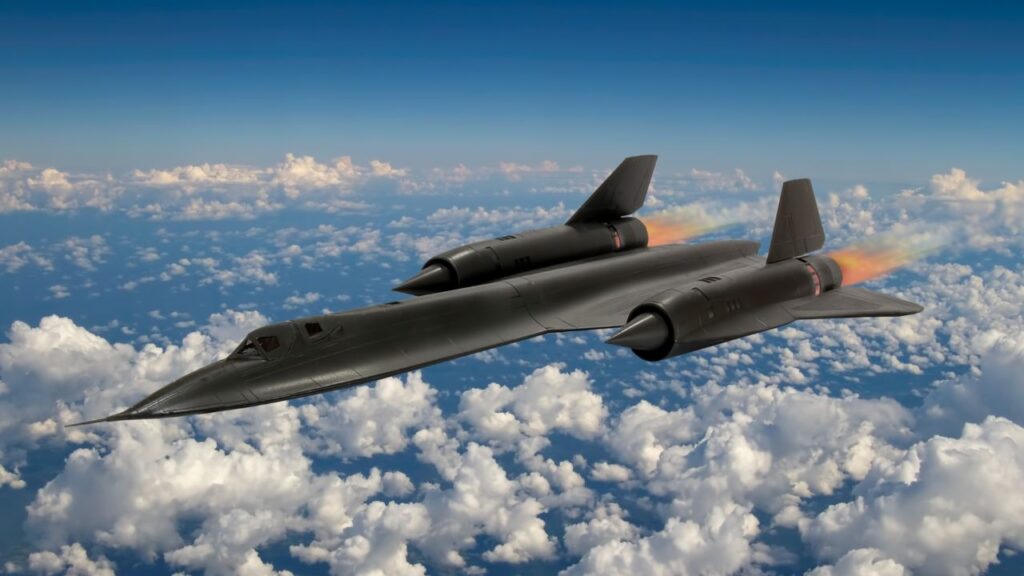
The SR-71’s aura comes from raw, sustained performance that still reads as extreme for the 1960s. NASA describes it as designed to cruise around Mach 3.2 and up to 85,000 feet, a combination that created a reconnaissance platform built to be difficult to intercept rather than difficult to spot.
It should not be framed as a dogfighting aircraft; it’s better understood as an extreme military jet built around the survivability logic of physics. The “impossible for its era” factor is the idea of routine operation in a regime where heat, materials, and propulsion margins become unforgiving—and where countering it was far from simple at the time.
Messerschmitt Me 262 (Schwalbe)
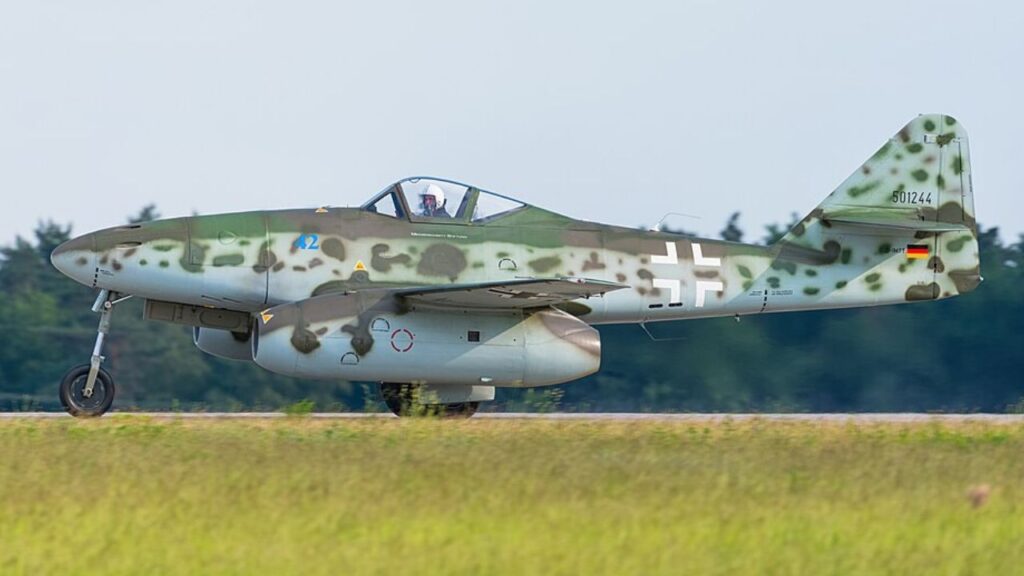
The Me 262 earns its place here because the National Air and Space Museum identifies it as the world’s first operational jet fighter. In a sky dominated by piston-engine fighters, that represented a sudden step-change in speed and compressed the time available to react in combat.
At the same time, its wartime impact is easy to overstate. Operational results were shaped by constraints such as numbers, reliability, and wartime shortages. Even with those limits, the “impossible” label fits because it made jet propulsion an operational reality during an active conflict—forcing opponents to adapt and signaling what postwar air forces would have to become.
English Electric Lightning

The English Electric Lightning is a 1950s interceptor built around a single urgent question: how quickly can you get high and fast to meet an incoming threat? Air & Space Forces Magazine highlights performance that can sound like science fiction on paper, including an initial climb rate of 50,000 feet per minute and the ability to reach Mach 2.0, described there as a first for Britain.
Because “fastest climb rate” claims can vary with definitions and configuration, it’s more grounded to describe the Lightning as among the fastest climbers rather than as an unmatched outlier. The key point is what the aircraft prioritized: rapid-reaction climb performance as a core measure of national air-defense credibility.
McDonnell Douglas F-4 Phantom II
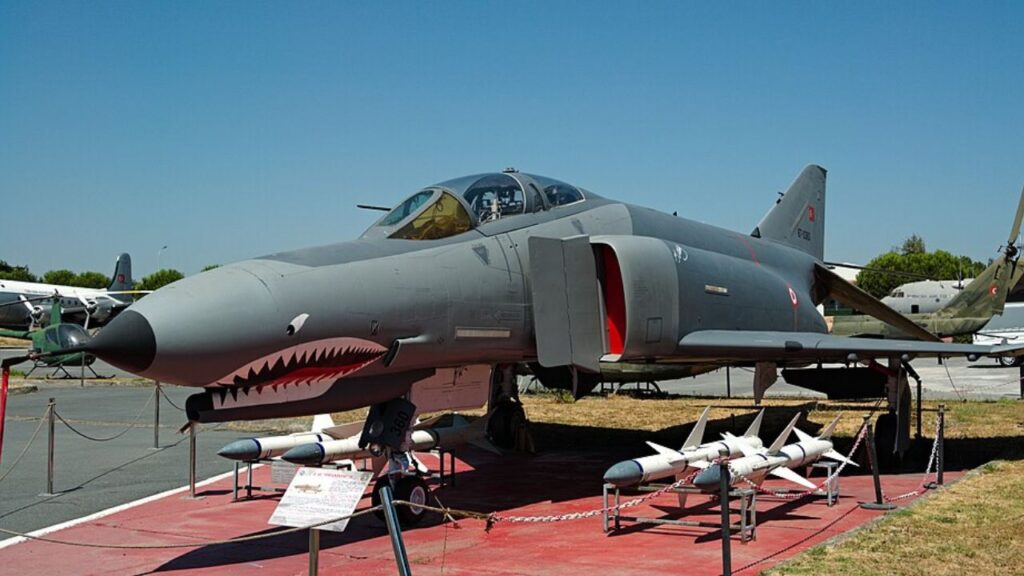
The F-4 Phantom II looked almost like too much aircraft for the early 1960s: a large, multi-service jet that combined Mach 2+ speed with true all-weather capability and long-range interceptor and fighter-bomber utility, supported by NASA technical material referenced via NTRS. Its “impossible” quality was the breadth of roles it was expected to cover—across missions and across services.
Combat history adds necessary context. Air University Press material underscores that early Vietnam-era outcomes exposed gaps in training, weapons, and doctrine, so the Phantom should not be presented as automatically dominant simply because it was fast and advanced. The lasting takeaway is institutional: capability on paper still depends on how forces train and fight, and the F-4 era helped drive changes in air combat training and the link between technology, tactics, and rules of engagement.
Grumman F-14 Tomcat (with AWG-9 / AIM-54 Phoenix)
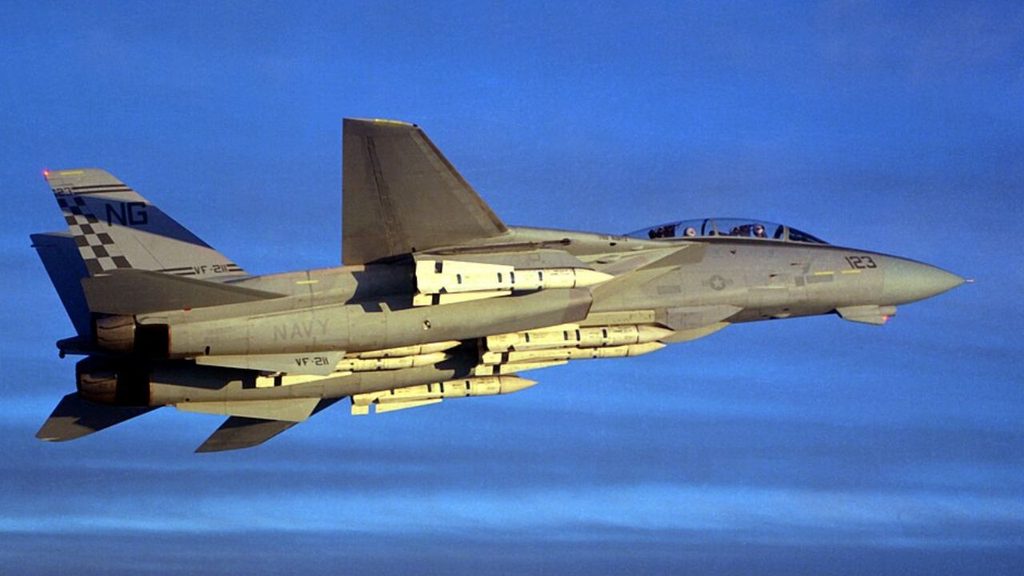
The F-14’s “impossible” reputation was never just its swing-wing silhouette. It was the system-level pairing of sensors and weapons. The U.S. Navy History and Heritage Command notes the Tomcat could guide six Phoenix missiles against six targets—a concise way to describe the aircraft as a fleet-defense system as much as a fighter.
Range and effectiveness figures associated with the Phoenix/Tomcat combination are often promotional or dependent on conditions, so they should be handled carefully and anchored to period framing, such as contemporary discussions in U.S. Naval Institute Proceedings (1976). Even without stretching the numbers, the point stands: the multi-target engagement concept implied a different tempo—detect, track, and engage multiple threats before they could reach the carrier force—changing how opponents had to plan around long-range radar-guided defense.
McDonnell Douglas F-15 Eagle
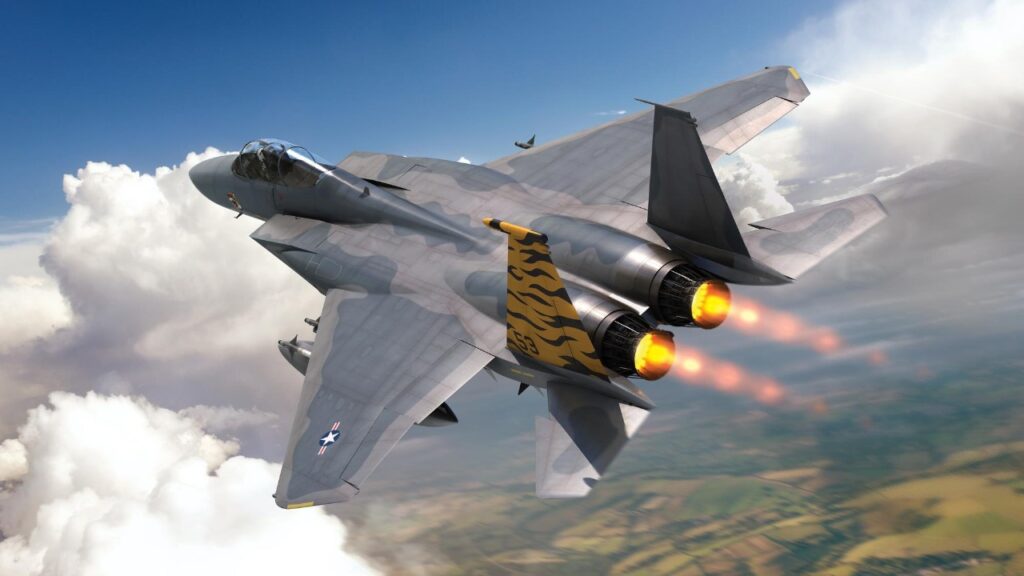
The F-15’s “this shouldn’t be real” quality is distinctive because it is driven less by secrecy and more by outcomes. The Smithsonian’s National Air and Space Museum states that no F-15 Eagles have ever been lost in air-to-air combat and that they have scored 100+ kills, a record that turned the aircraft into a shorthand for executed air superiority, not just advertised capability.
That claim also needs clean boundaries to stay accurate. Air-to-air losses are not the same as losses to ground fire or accidents, and survivability discussions should distinguish variants rather than flattening the F-15 into a single monolith. With those cautions in place, the “impossible” element is the longevity of an air-to-air record that has held up across decades of evolving threats.
Lockheed Martin F-22 Raptor
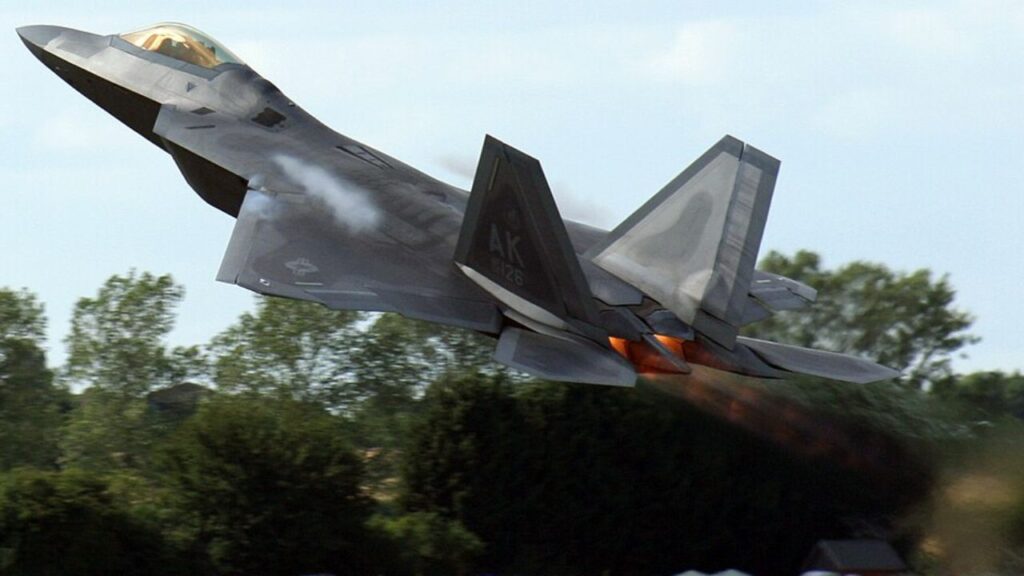
The F-22’s “impossible for its era” label comes from integration. It combined stealth with sustained supersonic cruise, compressing trade-offs that had historically forced designers to choose between speed and low observability. In Lockheed Martin’s description, supercruise is central to the aircraft’s identity—operating supersonically without relying on short-duration, high-fuel afterburner profiles.
Even without leaning on additional figures, the key is the design intent: not merely fast, and not merely difficult to detect, but able to retain advantageous speed while staying low observable. That combination pressures an opponent to solve multiple problems at once—finding the aircraft, tracking it, and reacting quickly enough when it can sustain speed in regimes that shrink decision time.