
The Pentagon has a long history of launching “revolutionary” weapons programs meant to leap ahead of rivals—only to end them after years of work and billions of dollars in development and early procurement. Some cancellations are clean terminations; others are quieter, where a program survives on paper but is bought in numbers so small that the original plan effectively dies. Either way, the outcome is familiar: sunk investment, disrupted planning, and a force that has to keep legacy systems running longer than intended.
This pattern is bigger than any single contract or platform. It’s often driven by ambitious requirements, technical risk, shifting priorities, and budget pressure. And while “billions spent” can include research that later informs other programs, cancellation still carries real costs—especially when the canceled capability was supposed to anchor future force structure.
What “canceled” can mean in Pentagon procurement
In defense acquisition, “canceled” is commonly used to describe three related outcomes: a program is terminated outright; it is restructured into something materially different; or procurement is cut so sharply that the original concept never materializes. Public debate often blurs these categories because the initial promise (“transformational capability”) is remembered longer than the eventual re-scope.
It also matters that not every cancellation is automatically “waste.” Some programs are ended because threats shift, budgets tighten, or the technology doesn’t mature on the needed timeline. Even so, the practical consequences can be similar: capability gaps, expensive life-extension work for aging fleets, and a scramble for stopgaps.
8 major programs that were canceled or effectively ended after heavy spending
Below are 8 prominent examples frequently cited in public reporting and acquisition retrospectives. Several were explicitly terminated. Others were cut back so dramatically, or reworked so fundamentally, that the original plan was effectively canceled. The common thread is substantial investment followed by limited operational capability at scale.
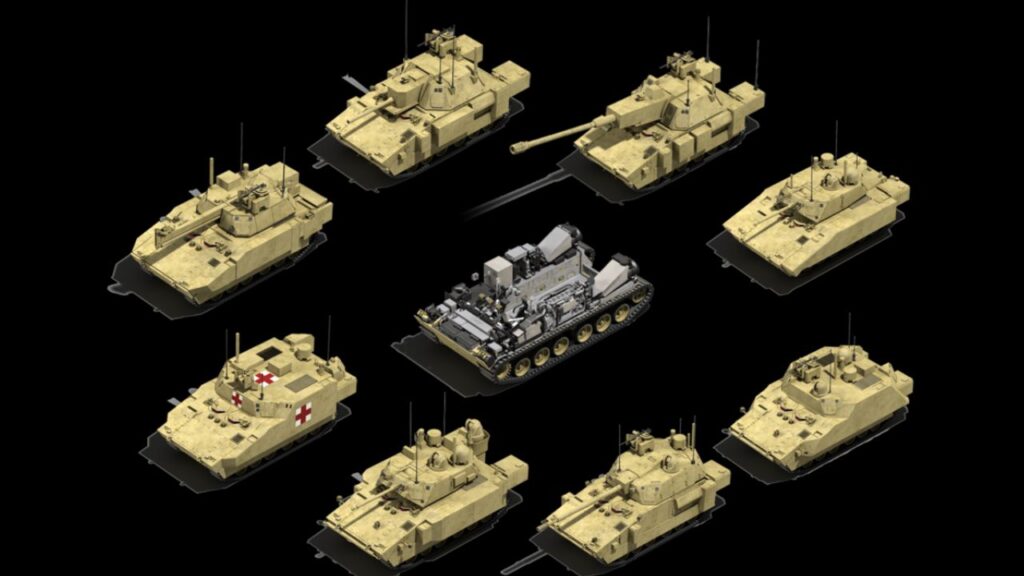
1) U.S. Army Future Combat Systems (FCS). A sweeping modernization effort aimed at a networked family of vehicles and systems. It became a shorthand example of requirements ambition colliding with cost growth and technical complexity, and the Army later shifted toward more incremental modernization efforts.
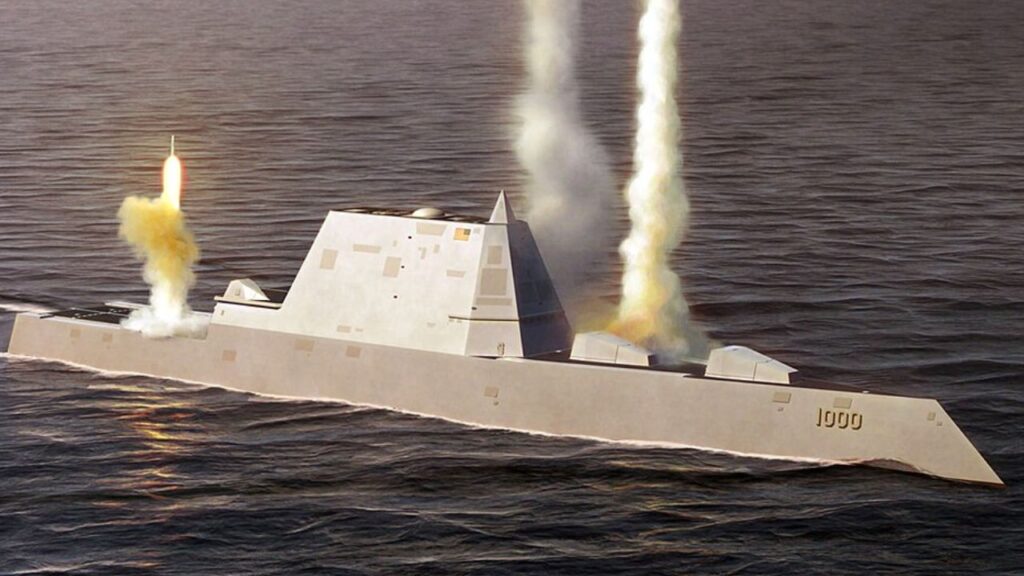
2) U.S. Navy CG(X) cruiser replacement. Envisioned as a next-generation cruiser to meet future air and missile defense demands. It was canceled as plans proved difficult to reconcile with cost and the challenges of building and sustaining very large surface combatants on a stable budget. The CG(X) may have used the hull of the Zumwalt-class destroyer, seen below.
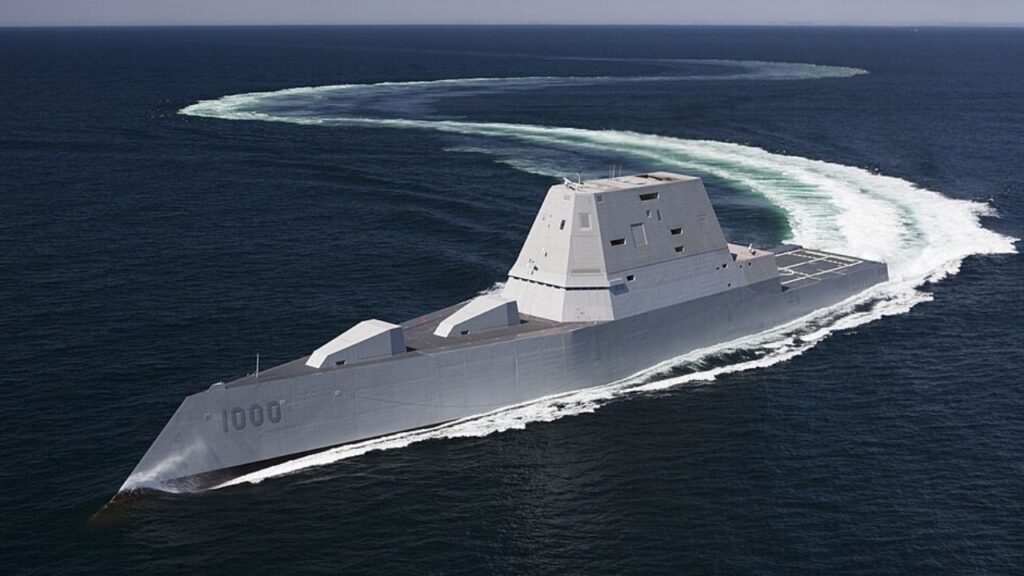
3) DDG-1000 “Zumwalt” planned buy (procurement truncation). The Navy built a small number of Zumwalt-class ships, but procurement was reduced far below earlier plans. In practical terms, that meant the fleet never received the volume of ships initially associated with the concept, and other surface combatants had to carry more of the workload.
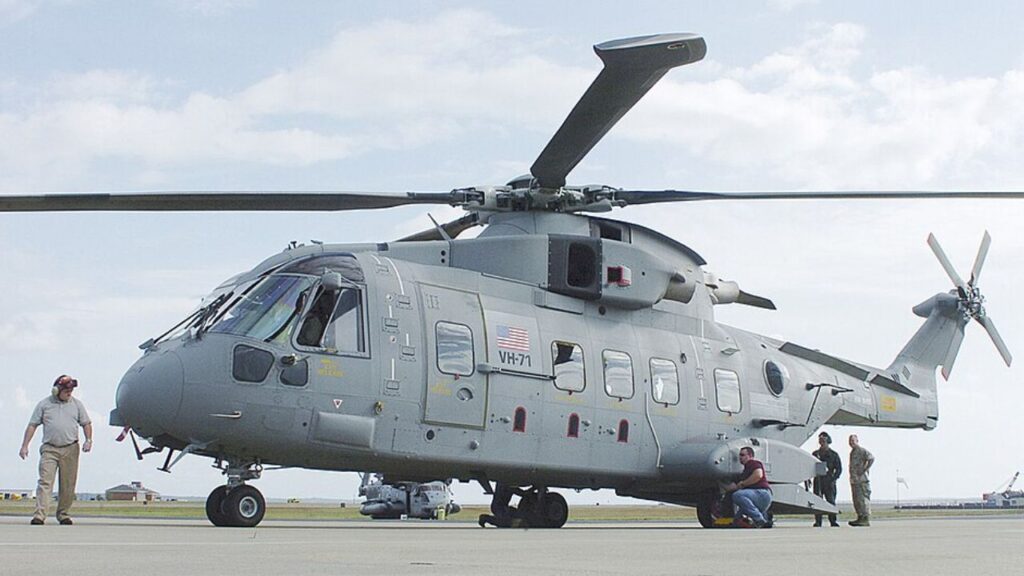
4) VH-71 presidential helicopter. Intended as a new aircraft for presidential transport, it became a high-profile example of cost escalation and changing requirements. Its cancellation highlighted how even small, specialized fleets can become unaffordable when security and mission demands expand during development.
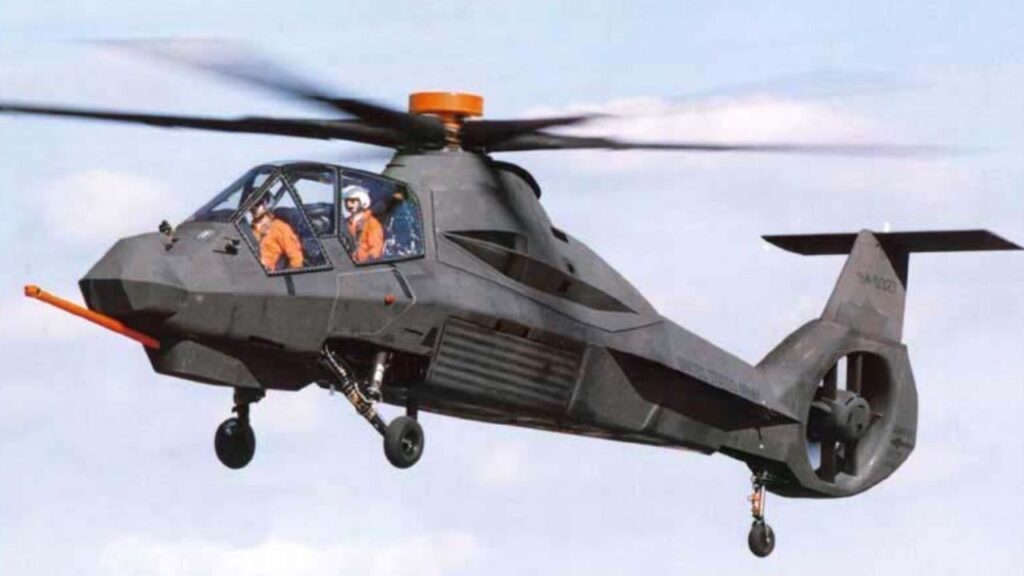
5) RAH-66 Comanche scout helicopter. A long-running Army aviation program that ultimately ended without becoming an operational fleet. It remains a cautionary tale about lengthy development timelines and the risk that missions and technology can move on faster than a bespoke platform can be fielded.
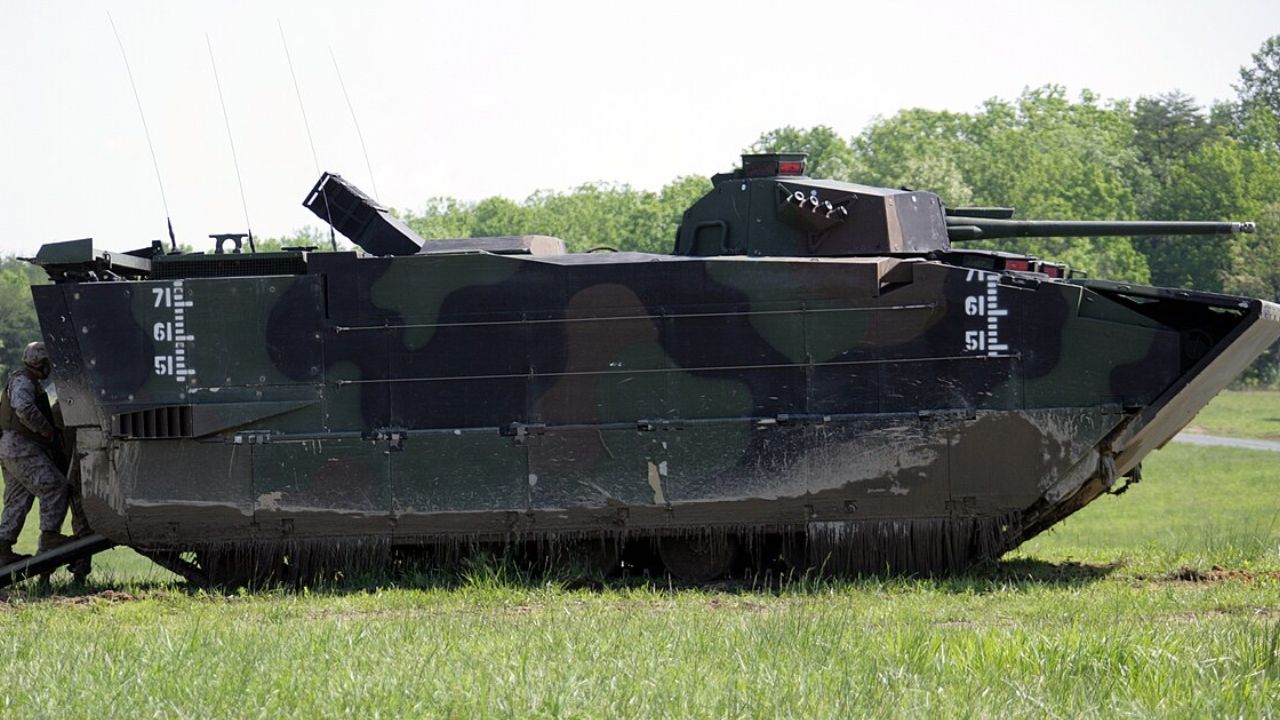
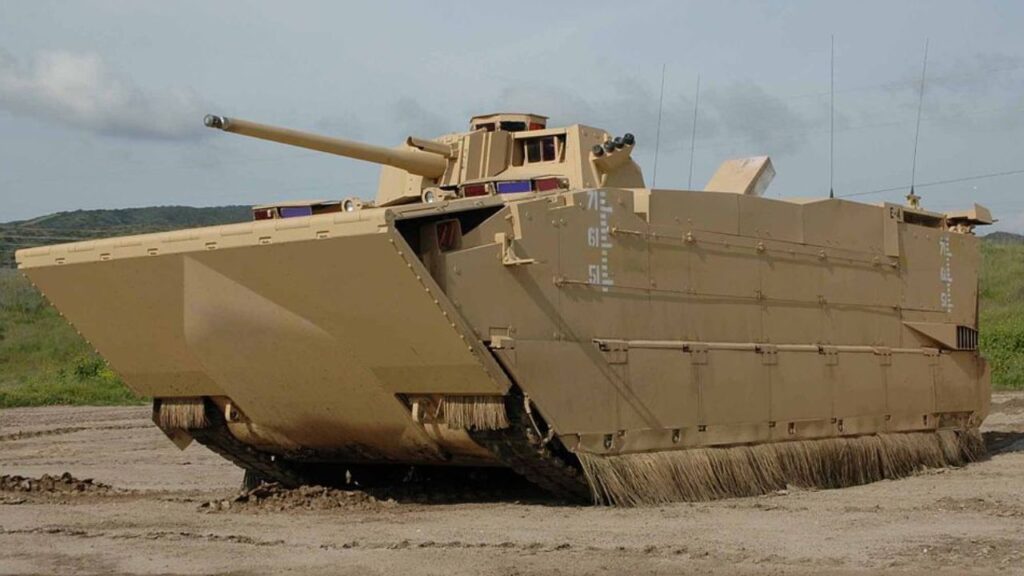
6) Expeditionary Fighting Vehicle (EFV). The Marine Corps’ attempt to build a high-speed amphibious assault vehicle that could swim from ship to shore and then fight inland. Its cancellation underscored the engineering tradeoffs involved in combining speed, protection, and amphibious performance, and it pushed the Corps toward other approaches while relying on legacy systems longer.
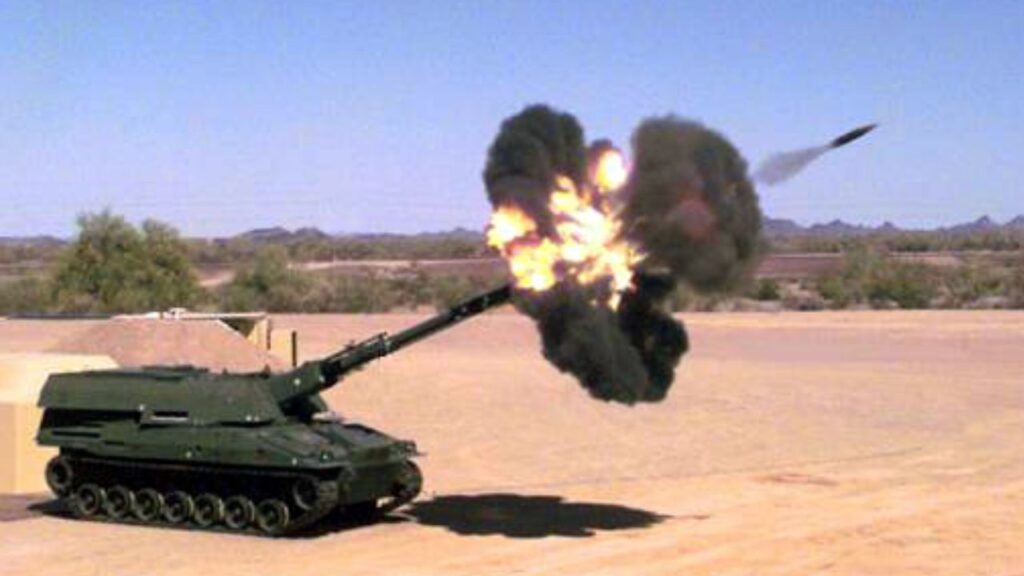
7) Crusader self-propelled artillery. A major Army artillery modernization effort that was terminated amid debates over deployability, cost, and broader transformation priorities. Afterward, the Army’s artillery modernization continued through different, more incremental routes.
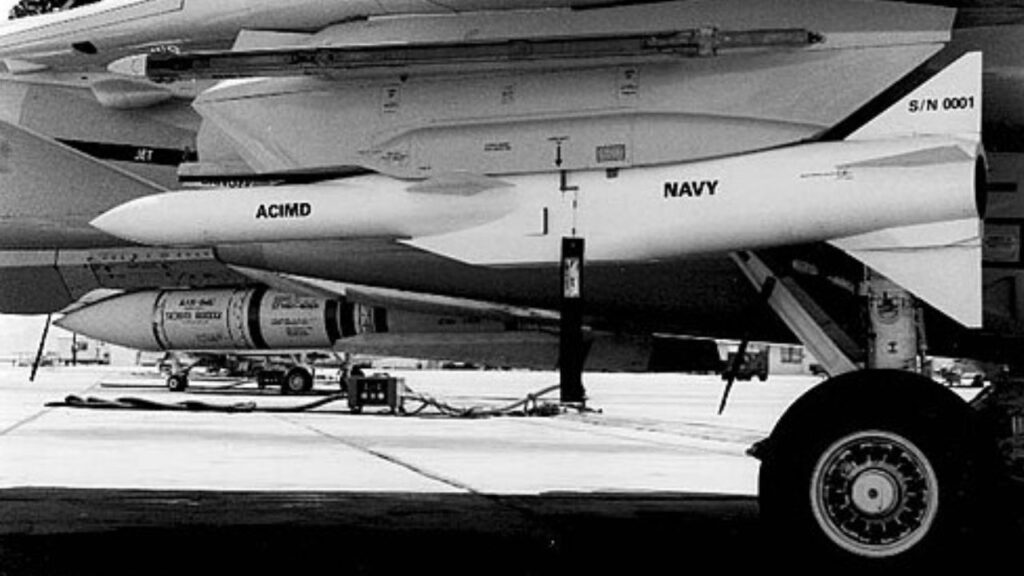
8) AIM-152 Advanced Air-to-Air Missile (AAAM). An air-to-air missile effort often referenced as a next-generation program that did not survive shifting priorities. As with many cancellations, some research and development work may have remained useful even if the program itself did not field a weapon.
Why these cancellations matter: capability gaps, not just sunk costs
The immediate effect of a cancellation is visible on budget lines, but the longer-term effect shows up in force structure. When a next-generation platform fails to arrive, the military typically extends the life of legacy fleets through service-life extensions and piecemeal upgrades. That can preserve readiness, but it rarely delivers the step-change in capability the canceled program was meant to provide.
There are also industrial-base consequences. Program terminations and steep truncations can disrupt production planning, specialized labor, and supplier networks—especially when a program was expected to be a long-running anchor. Some disruption can be absorbed through other work, but sudden changes still add friction and can narrow future competition if suppliers exit.
Where the money goes (and why it isn’t always pure loss)
It’s easy to treat every cancellation as money vanishing into thin air. In practice, canceled programs can generate usable technology, test data, manufacturing lessons, and software—if the Pentagon is disciplined about carrying what works into follow-on efforts. But “transferable” is not the same as “fielded”: it doesn’t automatically replace a missing capability, and it doesn’t recover lost time.
Another common driver is requirements instability. When desired performance expands during development—more protection, more range, more networking, more survivability—designs can grow heavier and more complex, schedules slip, and costs rise until senior leaders decide the original plan is no longer achievable. Contractor performance can be part of that story, but government-driven changes can be just as consequential.
What usually comes next: smaller buys, incremental upgrades, and repeat-cycle risk
After a major cancellation, the Pentagon usually pivots to one of three paths: incremental modernization of existing systems, a smaller and more constrained successor, or a portfolio approach that spreads risk across multiple efforts. In practice, that often means trading a single “all-in” bet for a series of smaller, more survivable bets.
The risk is that the cycle repeats if the underlying incentives and constraints don’t change. If requirements remain expansive, budgets uncertain, and schedules overly optimistic, new-start programs can inherit the same failure modes as the ones they replaced. The enduring lesson isn’t that ambition is wrong—it’s that ambition has to be matched to technology maturity, realistic testing, and a procurement plan that can survive budget turbulence and evolving warfighting needs.