
Air combat doesn’t evolve in neat, decade-by-decade steps. It jumps when a new fighter—paired with the right sensors, weapons, and training—forces everyone else to rethink tactics, procurement, and even alliance assumptions about airpower. The fighters below matter not because they were flawless, but because each helped redefine what “winning the air” meant in its era.
This is not a ranking of the “best” aircraft. It’s a set of inflection points: prop-driven gunfighters where speed and climb were decisive; early jets that compressed engagement timelines; a missile era shaped by identification limits and rules of engagement; and, most recently, stealth and sensor fusion feeding a networked fight. None of these aircraft changed air combat alone—AWACS, tankers, datalinks, electronic warfare (EW), surface-to-air missiles (SAMs), and pilot training pipelines all played major roles—but each platform helped steer doctrine and design priorities.
1) Supermarine Spitfire: performance becomes strategic
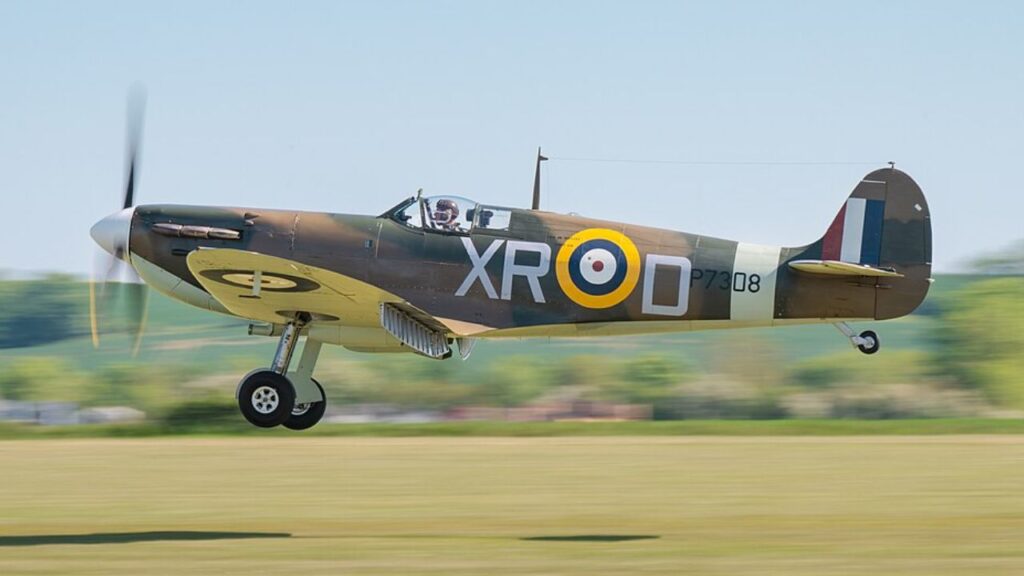
The Spitfire represents an era when fighter performance—climb, turn rate, and speed—was the most important “system” on the aircraft. It reinforced a hard lesson: if you can’t contest the air, everything else becomes riskier, from coastal defense to ground operations.
Its larger impact was organizational. Air forces learned that air superiority demanded industrial output, training capacity, and replacement flows. Readiness meant keeping squadrons stocked with airframes and pilots, not managing software and complex sensors.
2) Messerschmitt Bf 109: the modern single-seat fighter baseline
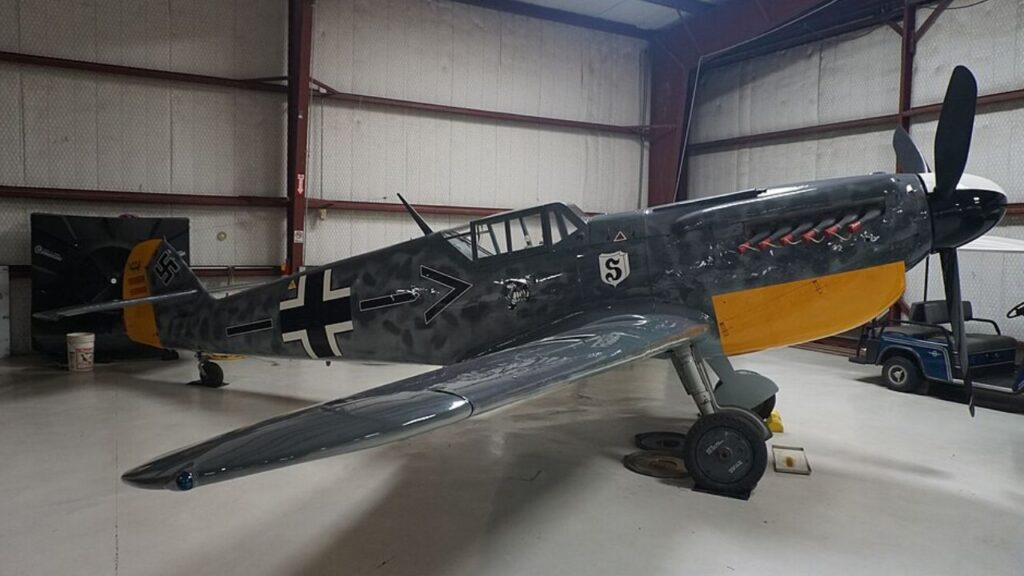
The Bf 109 reflects the consolidation of the modern single-seat fighter: fast, climb-capable, and built for short, violent engagements. It also highlighted the advantage of fielding a high-performance baseline in quantity—and improving it in successive blocks based on combat feedback.
That dynamic still echoes today. When one side establishes a credible standard at scale, opponents either match it, find counters, or change how they fight.
3) North American P-51 Mustang: range reshapes the campaign
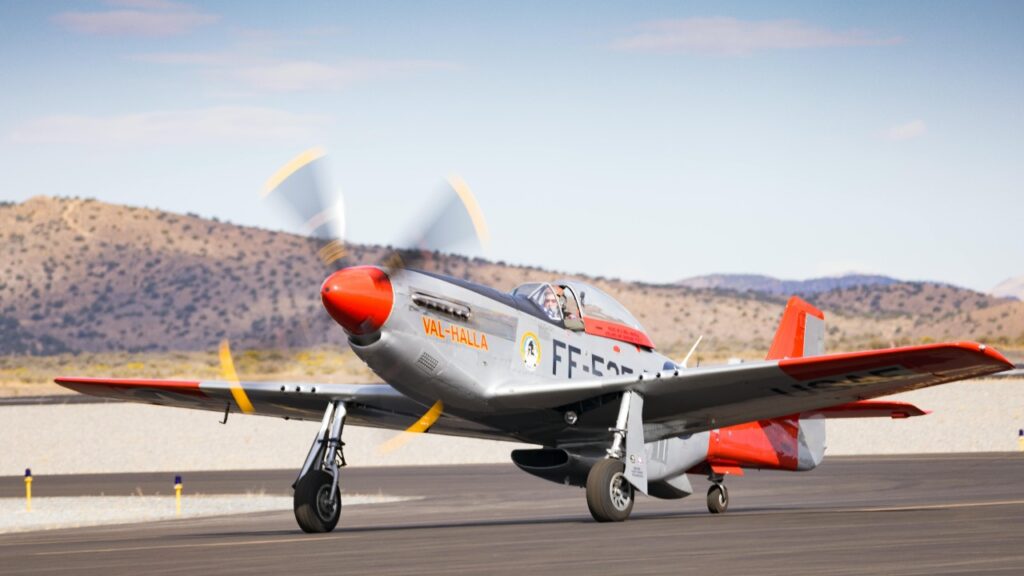
The P-51 Mustang’s step change was operational reach. When fighters can escort, patrol, and fight deeper into a theater, airpower shifts from local protection to sustained pressure across a campaign.
Range also drags logistics into strategy. Fuel, basing, maintenance tempo, and tanker dependence become central to what an air force can do—and for how long.
4) Mikoyan-Gurevich MiG-15: the jet era arrives fast
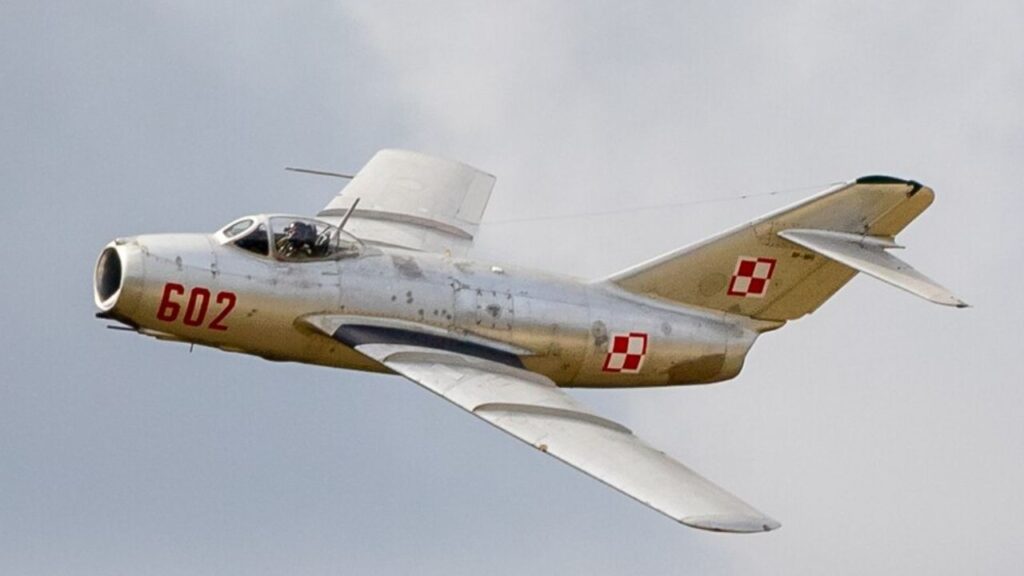
The MiG-15 symbolizes the shock of early jet combat and how quickly doctrine had to adapt. Higher speeds and closure rates reduced decision time and tightened engagement windows, increasing the value of structured control and early radar-directed interception concepts even before fully modern avionics were widespread.
It also reinforced that air superiority could turn into an arms-race problem: rapid shifts in performance forced nations to think in terms of production capacity, training throughput, and the ability to adapt tactics under pressure.
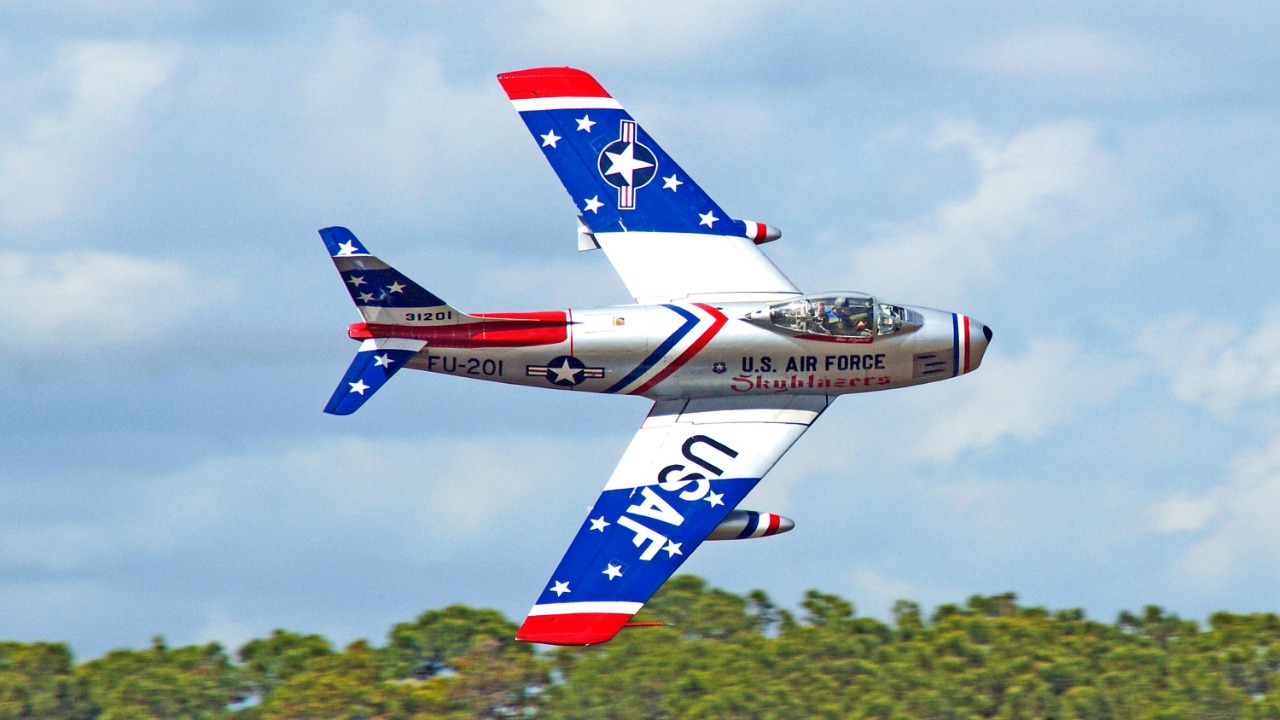
5) North American F-86 Sabre: tactics and training matter as much as aerodynamics
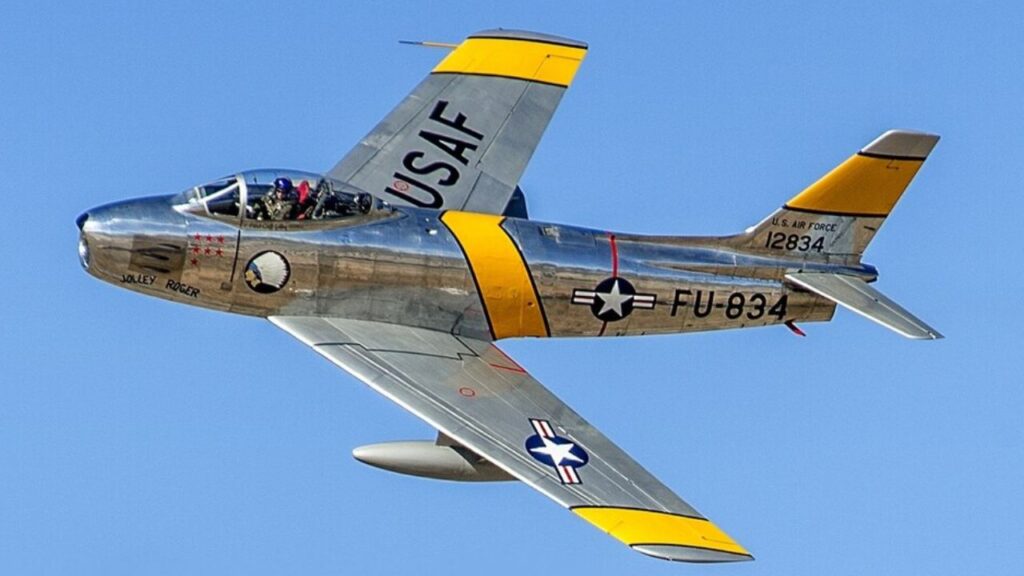
The F-86 Sabre is often paired with the MiG-15 because the matchup underscores a recurring theme: outcomes depend on more than the airframe. Training quality, tactics, and how forces organized and controlled air battles could be as important as raw performance.
The caution carries forward. Kill ratios and “best fighter” claims are highly context-dependent, shaped by rules of engagement, supporting assets, readiness, and pilot proficiency.
6) McDonnell F-4 Phantom II: missile-era ambition meets operational reality
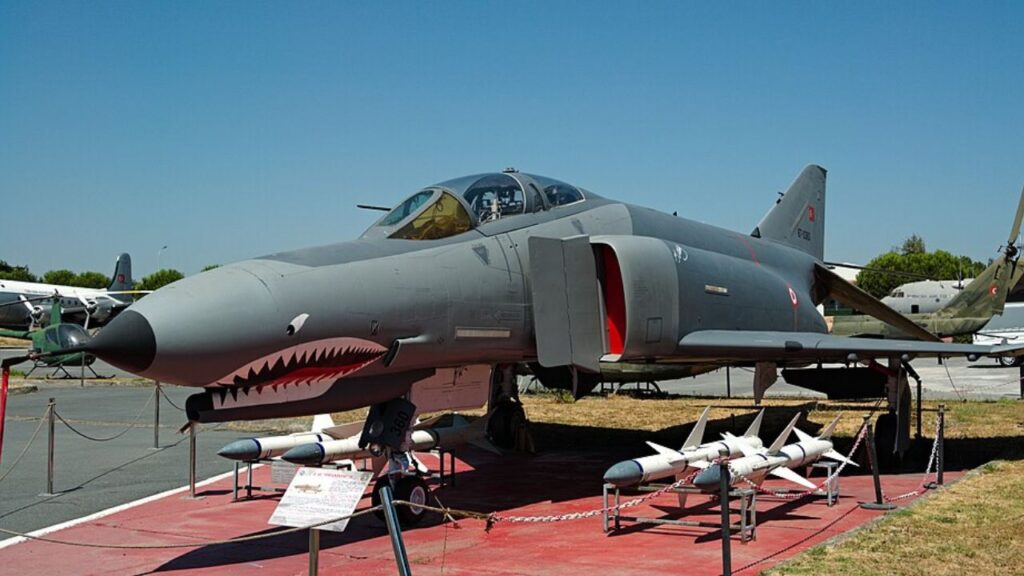
The F-4 Phantom II marks the shift toward high-speed, missile-centric thinking—and the reality check that came with it. Vietnam-era experience showed that identification requirements and rules of engagement could limit beyond-visual-range (BVR) engagements, pushing combat back toward close-in fights and driving changes in training and weapons mixes.
The F-4 also reflects competing demands: air superiority, fleet defense, and strike missions pulling design and force-structure priorities in different directions. Those trade-offs shaped how inventories were built and how air arms balanced specialization versus flexibility.
7) Mikoyan-Gurevich MiG-21: scale, exports, and widely shared tactics

The MiG-21’s influence is inseparable from its spread. As a widely exported fighter, it helped standardize a style of air combat across multiple regions and forced adversaries to plan for quantity as well as quality.
Export fleets also create long strategic tails—training pipelines, spare-part networks, and upgrade markets that can keep legacy aircraft relevant. In many regions, readiness and sustainment determine capability as much as headline performance.
8) Grumman F-14 Tomcat: fleet defense and the interceptor problem

The F-14 Tomcat represents a distinct naval requirement: protecting carriers and fleets—often at long distances—against aircraft and missiles. It highlights the interceptor mindset: get to the threat quickly, sort it, and engage under tight timelines.
It also shows how dependent air combat can be on integration. The value of a fleet-defense fighter grows with radar coverage, command and control, and coordinated training across the force—not just the aircraft’s individual performance.
9) McDonnell Douglas F-15 Eagle: air superiority as a dedicated mission
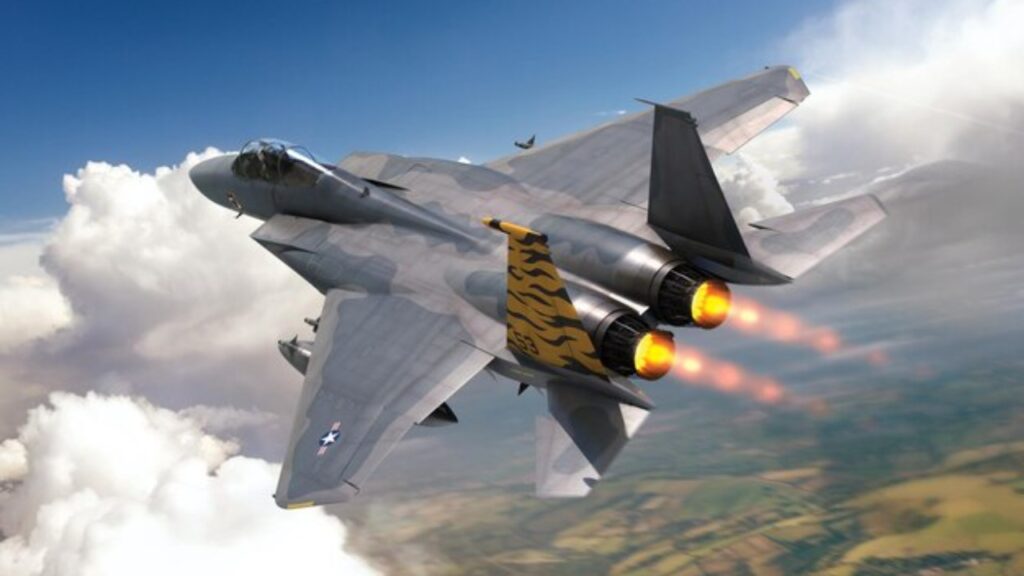
The F-15 Eagle became an icon of the modern air-superiority fighter: built around winning the air-to-air fight and sustaining a deterrent reputation. Its larger effect was institutional—reinforcing the idea that air dominance is a distinct mission worth specialized platforms, tactics, and force structure.
That focus comes with demands. Maintaining top-tier training, maintenance intensity, and readiness is expensive and continuous, and it shapes how air forces allocate resources across their inventories.
10) General Dynamics/Lockheed Martin F-16: multirole agility at scale
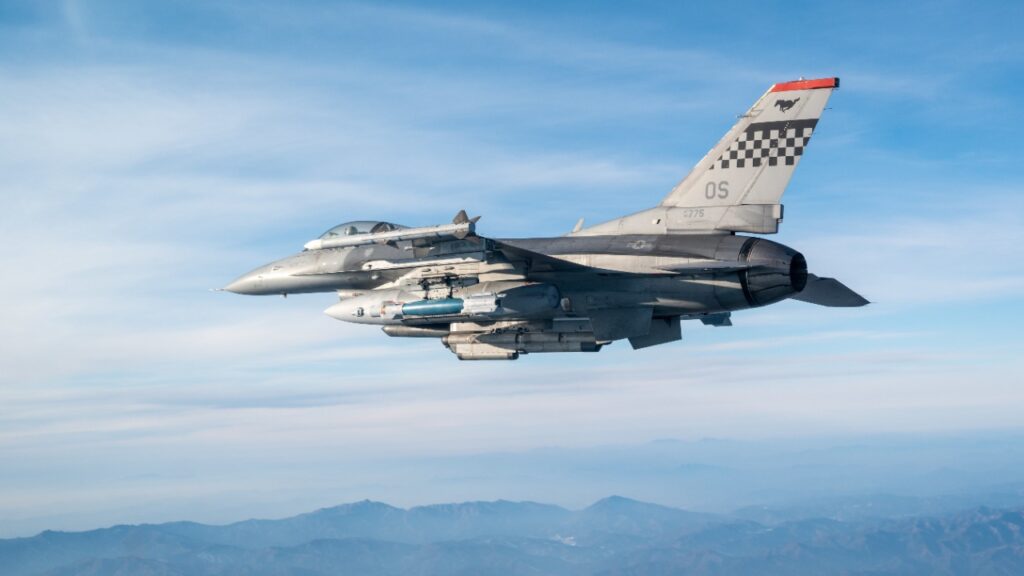
The F-16 represents the rise of the lightweight, highly maneuverable fighter paired with practical multirole utility. Its influence is tied to scale and adaptability: large fleets, frequent upgrades, and widespread adoption helped standardize tactics and improve interoperability among partners and customers.
That ecosystem matters strategically. Common training approaches, weapons integration, and maintenance practices can multiply coalition capacity—but only if stockpiles, spares, and mission-capable rates hold up under sustained tempo.
11) Sukhoi Su-27: fourth-generation maturity and peer pressure
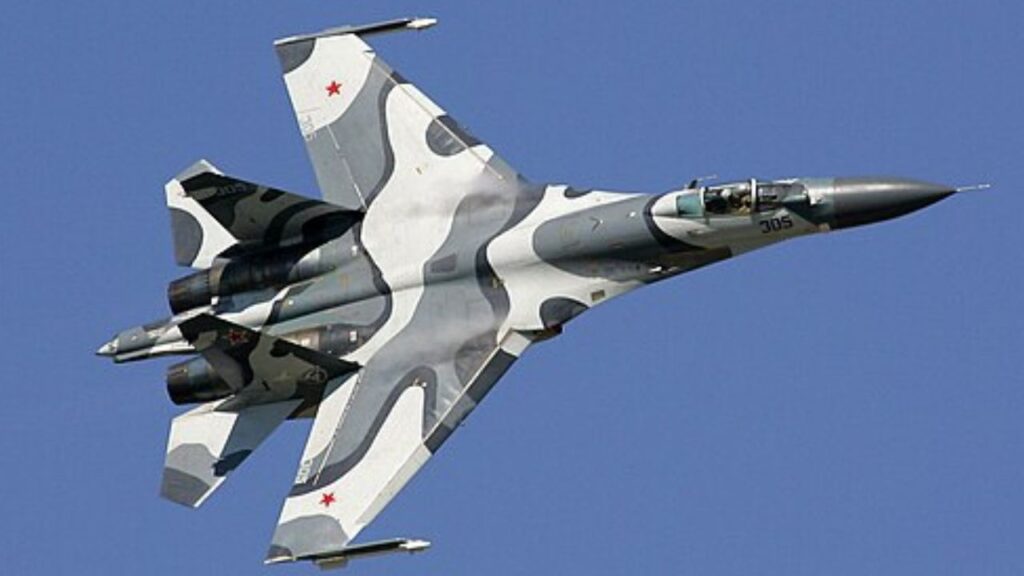
The Su-27 stands as a hallmark of the fourth-generation era, when maneuverability, sensors, and weapons integration matured together. It also reflects that “fighter” is not a single universal role; requirements differ across homeland defense concepts and tactical aviation needs.
Its broader impact was competitive pressure. Facing peer-like opponents accelerates improvements in EW, missile performance, radar capability, and training realism—pushing air combat toward more sophisticated tactics built around formations and supporting assets.
12) F-22 and F-35: stealth, sensor fusion, and the networked fight
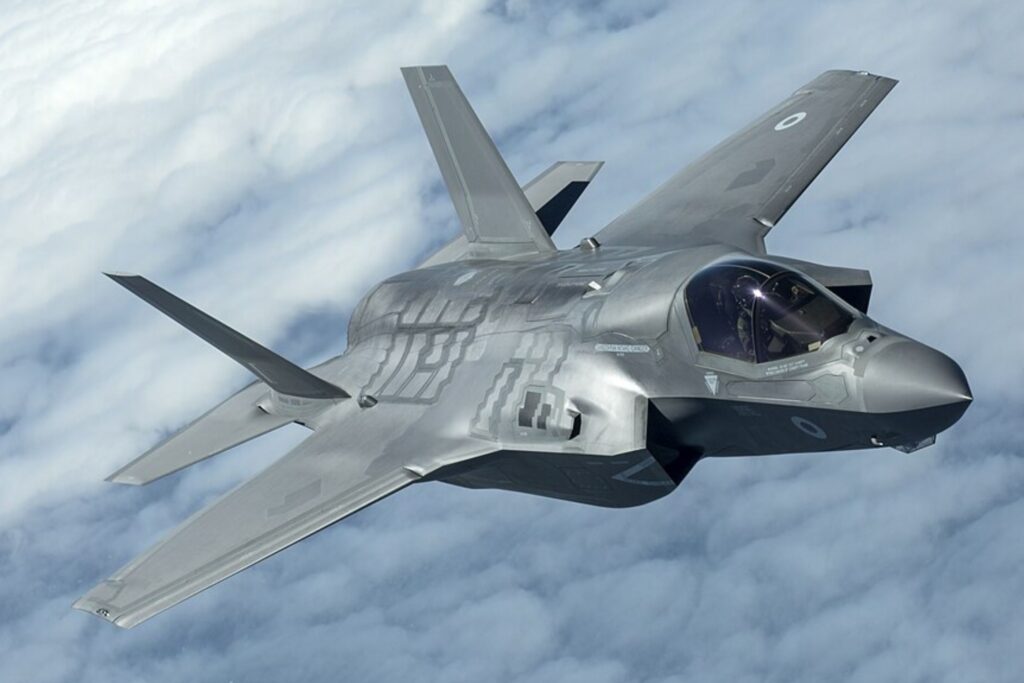
The F-22 and F-35 together define the fifth-generation shift: low observability combined with sensors, fusion, and networking designed to shorten decision cycles and create more favorable engagement conditions. In strategic terms, the goal is deterrence through denial—making it harder for an adversary to find, track, and engage key aircraft while improving the stealth force’s ability to coordinate and strike.
They also sharpen modern readiness debates. These are software-driven systems whose combat value depends on upgrades, secure data, and sustainment. Availability rates and munitions stockpiles become operational constraints, not abstract budget issues, because high-end conflict is as much about sustaining sorties as it is about winning the first exchange.
What changes next: doctrine moves with the ecosystem
The common thread across these 12 fighters is that reshaping air combat usually means reshaping everything around the aircraft: training, basing, command and control, EW, and weapons employment. As detection and defenses improved—especially SAMs and countermeasures—air forces adapted with stealth, standoff weapons, and more distributed tactics, reinforcing that air combat is a contest between detection, deception, and destruction.
Looking ahead, the center of gravity continues to shift toward networked warfare. What matters is not only what a single jet can see or shoot, but what the force can share, decide, and sustain under attack. If another step change arrives, it will likely be driven as much by readiness, production capacity, and stockpile depth as by any single platform—because air superiority is a campaign, not a moment.