
The history of modern warfare is also a history of things governments refused to discuss—until years later. Many military and intelligence programs stayed out of public view through strict classification, compartmented access, cover arrangements, and remote testing infrastructure. In other cases, journalists and observers suspected something existed, but official acknowledgment lagged far behind reality. When these efforts eventually surfaced—through declassification, FOIA releases, leaks, and memoirs—they often reshaped what the public understood about reconnaissance, deterrence, and technological competition.
Below are 10 once-classified projects and program types that show how secrecy works in practice. The list leans U.S.-centric because the U.S. national security system built an extensive “black” development culture during the Cold War and beyond, especially around aerospace and intelligence. Several entries are best understood as program families or mechanisms rather than single, neatly bounded projects, which is often how secrecy persists the longest.
1) Lockheed “Skunk Works” stealth aircraft lineage (as a broader category)
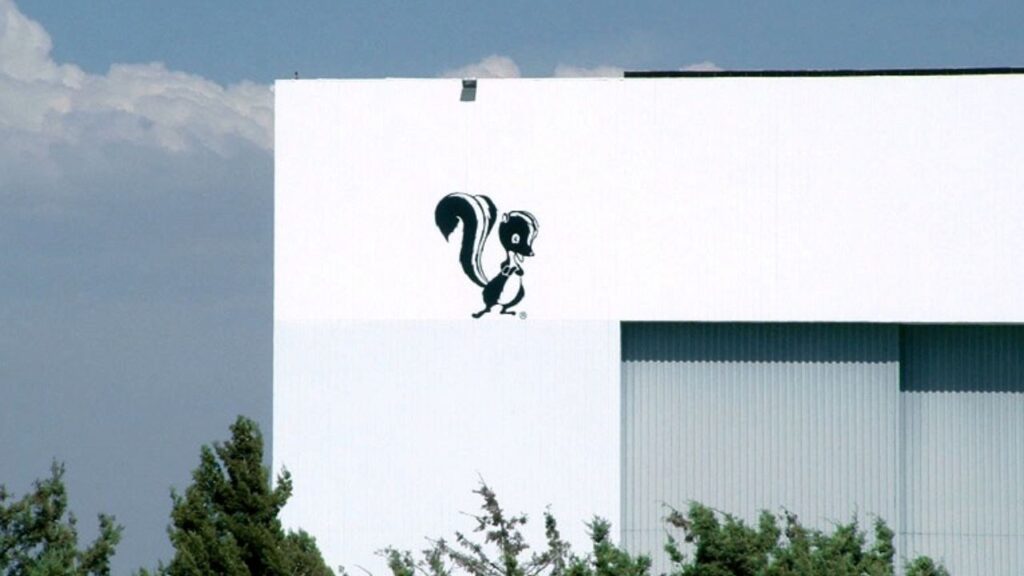
Stealth did not appear as a single leap; it emerged from a series of tightly controlled efforts tied to Lockheed’s Skunk Works culture and U.S. Air Force requirements. Secrecy mattered because shaping, materials, and signature management are only as valuable as an opponent’s uncertainty about them. Once stealth became publicly associated with real-world outcomes, it also changed how planners thought about survivability, force packages, and what “penetration” could look like.
2) F-117 Nighthawk development and early operations
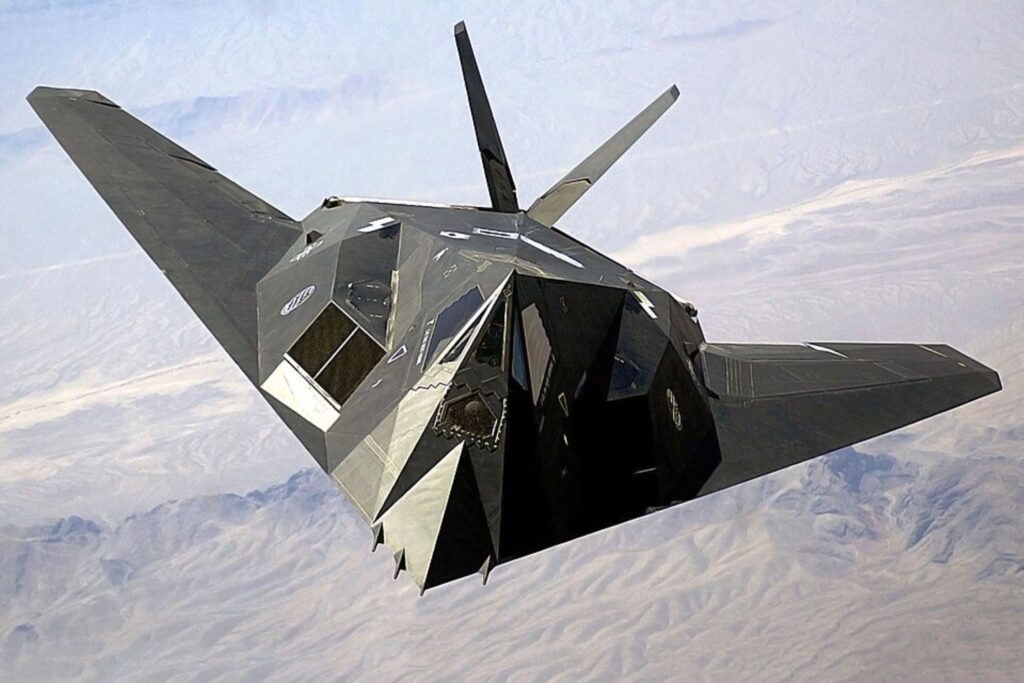
The F-117 is a well-known example of an aircraft that existed for years in a low-visibility world before it was openly discussed. Classification protected not just the design approach, but also basing choices, training, and how the aircraft would be used. When the program became public, it helped define stealth as more than a laboratory concept and reframed expectations about operating in heavily defended airspace.
3) B-2 development background and “black” acquisition practices
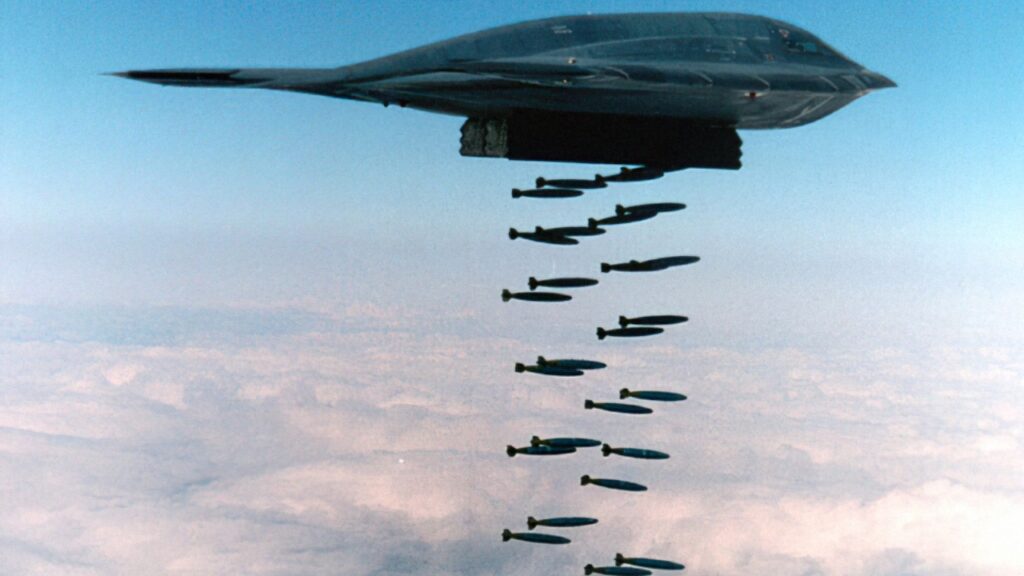
Strategic bombers sit at the intersection of deterrence, technology, and politics, which makes their development unusually sensitive. The B-2’s early history is often treated as a case study in how advanced programs can be financed and managed behind closed doors before their full shape is publicly understood. When programs like this move into the open, the debate typically expands beyond the airframe to include sustainment, readiness demands, and the trade-offs of fielding smaller numbers of very high-end platforms.
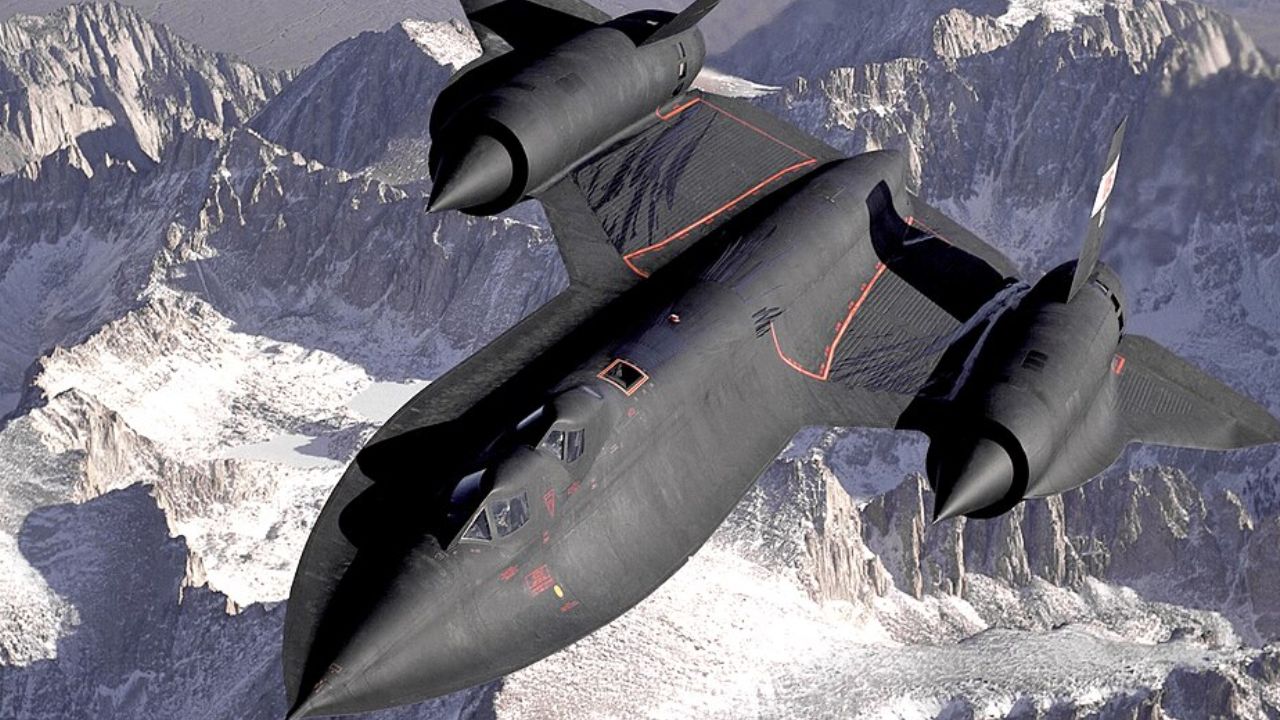
4) SR-71 and the broader high-altitude reconnaissance ecosystem

The SR-71’s reputation sometimes overshadows the larger point: strategic ISR platforms are political instruments as much as military ones. Keeping details quiet can delay an opponent’s ability to judge what a platform can collect, how quickly it can respond, and what signatures or basing patterns might reveal. Later disclosure tends to illuminate the broader enterprise behind the aircraft—support infrastructure, maintenance realities, and the operational choreography needed to make strategic reconnaissance routine.
5) U-2 operations and the politics of “plausible” missions
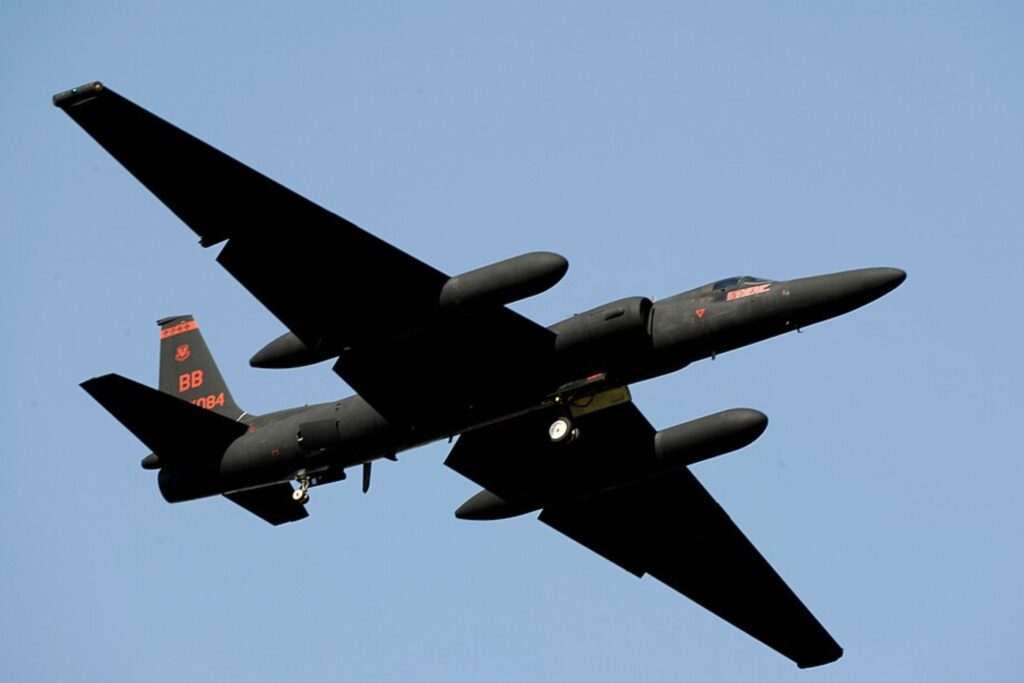
Even when an aircraft becomes recognizable, operational details can remain classified for years because they expose collection priorities and diplomatic risk. The U-2’s history highlights that secrecy often centers on where and when a platform flies, not only how it flies. Over time, partial revelations can create a familiar tension: the public may learn the headline, while decision-making and mission specifics remain difficult to pin down.
6) CIA reconnaissance aircraft efforts (beyond uniformed acquisition pipelines)
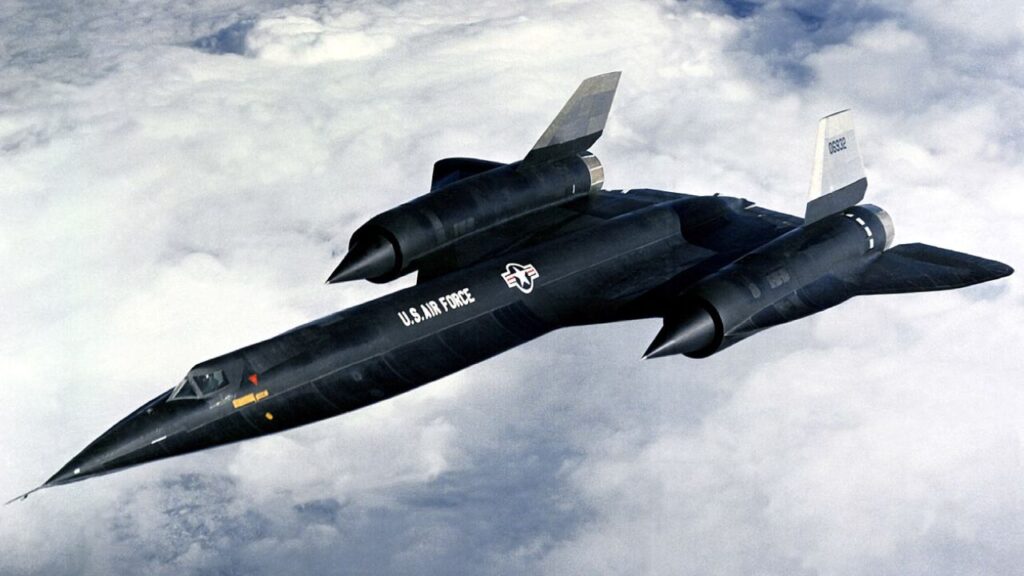
Some of the most consequential aviation work has been driven or supported by intelligence agencies rather than traditional service procurement channels. That structure can speed experimentation while keeping the circle of knowledge intentionally small. When these efforts are later discussed, they often clarify how intelligence collection and military planning can blur together, and why the boundary between “operations” and “R&D” is sometimes designed to be flexible.
7) National SIGINT programs (NSA and partners)

Signals intelligence programs are built around protecting sources and methods, so secrecy can be more durable than it is for hardware. A sensor or platform may age out, but the techniques, access points, and analytic approaches can remain sensitive far longer. When parts of SIGINT history become public, they can change how audiences interpret Cold War crises and modern cyber-space competition by revealing what decision-makers might have been able to learn—and how carefully that knowledge was protected.
8) Reconnaissance satellites and the National Reconnaissance Office (NRO) ecosystem
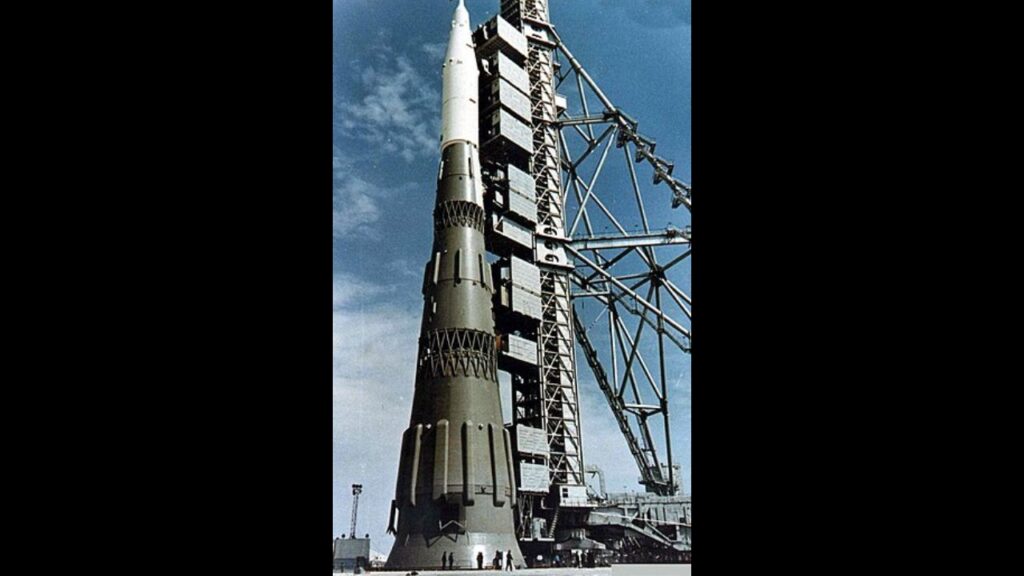
Space reconnaissance is a domain where public suspicion often preceded official acknowledgment. The strategic shift was not merely that “satellites exist,” but that sustained overhead collection could reduce uncertainty about forces and deployments, influencing deterrence stability. When satellite efforts are declassified, the public record also tends to broaden from the spacecraft themselves to the less visible essentials: launch rhythms, ground infrastructure, and the long sustainment tail that makes “persistent” collection possible.
9) Nuclear command-and-control initiatives (strategic survivability)

Nuclear command, control, and communications (NC3) focuses on the ability to make decisions and transmit orders under worst-case conditions. That drives deep secrecy, because disclosing architecture, procedures, or weak points can help an adversary target disruption more effectively. When portions of these initiatives become public, the core message is straightforward: credible deterrence depends on management and communication as much as it depends on weapons.
10) DoE/NNSA nuclear weapons work and stockpile stewardship
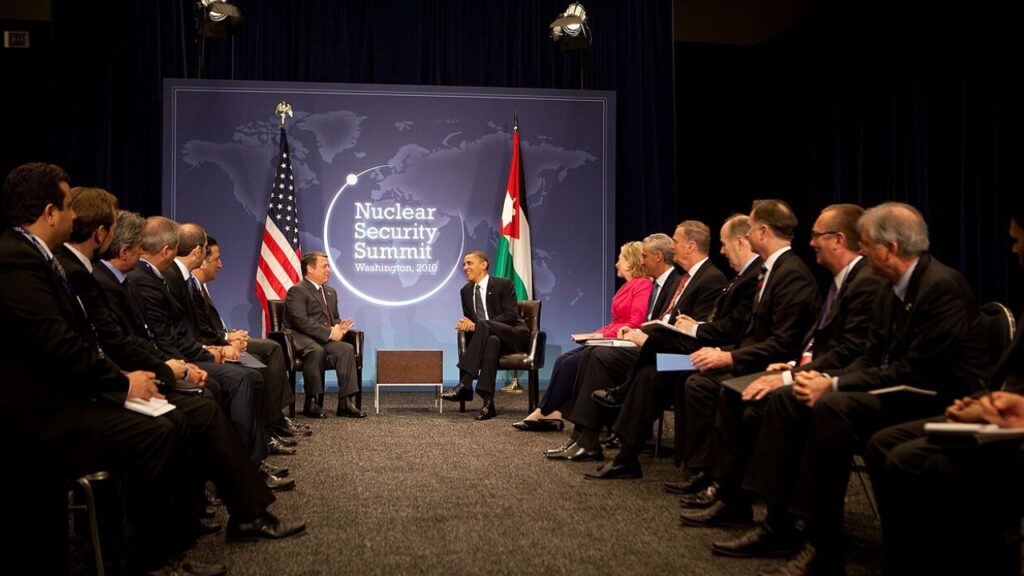
U.S. nuclear weapons work spans national laboratories, production sites, and a stewardship enterprise that balances safety, security, and credibility. Even when the public debate focuses on the absence of “new” warheads, classification can persist around life-extension approaches, surveillance practices, and specialized manufacturing constraints. Later disclosures often highlight practical implications: refurbishment timelines, production bottlenecks, and the readiness burden of keeping an aging deterrent reliable.
Why these programs stayed hidden—and what that pattern suggests
Across these examples, three motivations appear repeatedly: protecting sources and methods (especially in SIGINT and satellites), preserving technological surprise (stealth and advanced ISR), and maintaining credible deterrence (nuclear forces and NC3). The institutions recur as well: the U.S. Air Force as a major driver of advanced aerospace, the CIA/NSA/NRO as intelligence architects, the DoE/NNSA for nuclear work, major primes in the industrial role, and the Navy for undersea systems.
The larger lesson is that secrecy can act as a force multiplier, but it carries a governance cost. It can protect fragile advantages and keep adversaries uncertain, yet it also creates long-lived gaps in public understanding and complicates accountability. If the past is any guide, many of today’s most consequential programs will remain describable only in broad categories until the strategic need for silence eventually fades.