
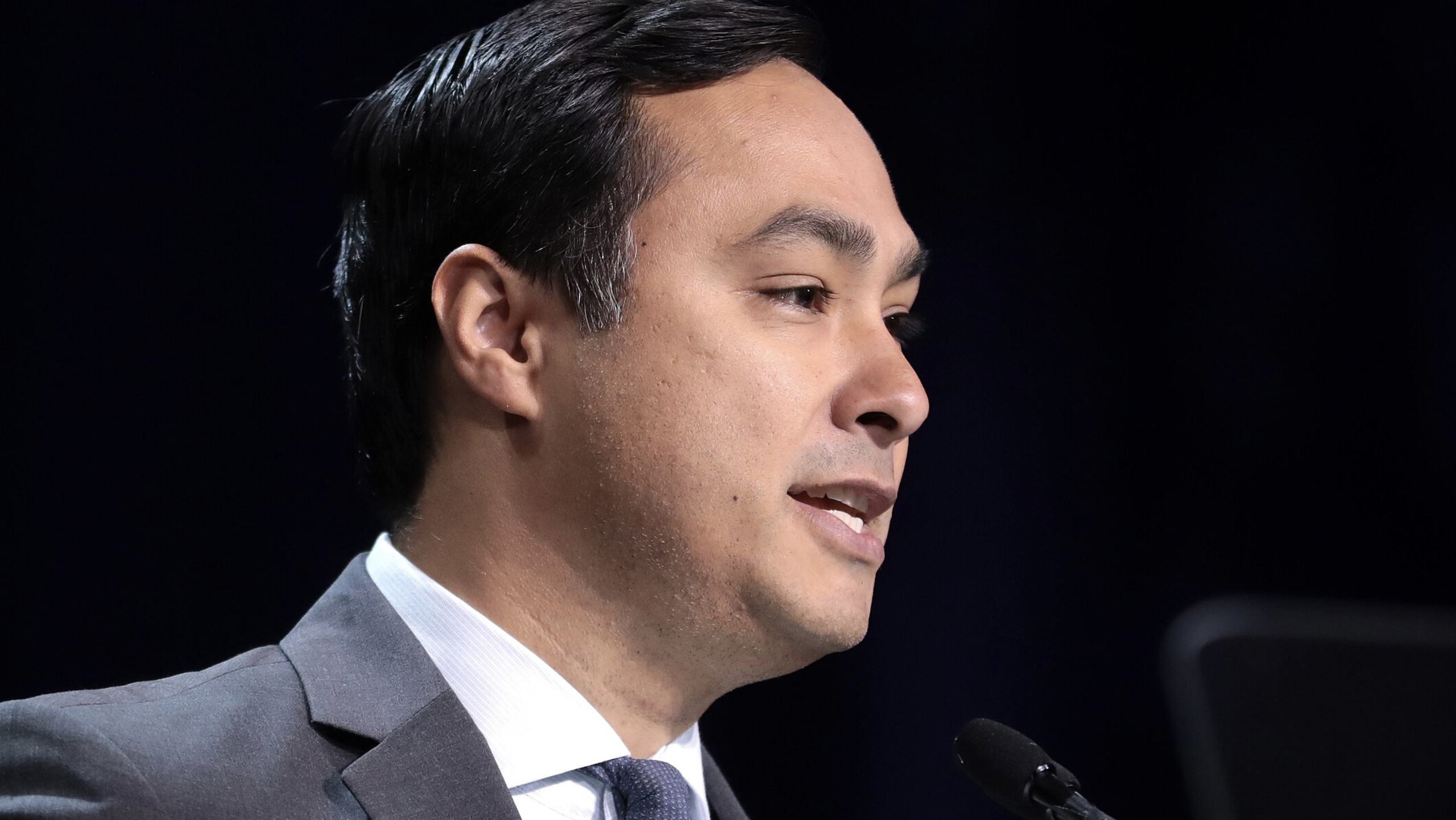
Rep. Joaquin Castro (D-Texas) said on June 24, 2026, that the flu outbreak at Lackland Air Force Base in San Antonio continues to grow, citing updated figures from the Air Force itself. “The Air Force confirmed with my office that the flu outbreak at the Air Force Lackland Base in San Antonio is getting worse,” Castro wrote on X. “There are now 275 confirmed cases.” Castro’s update came hours after ABC News reported, citing two sources familiar with the matter, that the outbreak was worsening, with case counts having already climbed sharply over the preceding days.
How Quickly the Outbreak Has Grown
The case count has risen steadily over roughly three weeks. As of Tuesday, June 23, at least 222 recruits at Lackland had been diagnosed with the flu and four had been hospitalized, up sharply from 159 cases and two hospitalizations reported the week before. Castro’s June 24 figure of 275 cases marks a further increase of more than 50 cases in roughly a single day, according to the count his office said it received directly from the Air Force.
The Military’s Policy Reversal
In response to the outbreak, the armed services have reinstated flu vaccine requirements for recruits despite a broader Pentagon policy making the shot optional. According to Pentagon spokesperson Sean Parnell, the Army, Navy, and Air Force have all been granted exceptions to Defense Secretary Pete Hegseth’s policy and are once again requiring flu shots for basic trainees. One of ABC News’s sources said the Air Force now aims to vaccinate every recruit in the current training class and all new arrivals at the base going forward. The Army is separately preparing to broaden its own vaccination requirement in the coming weeks to cover troops deploying overseas, first responders, child care workers, health care personnel, prison staff, and soldiers participating in certain large-scale training exercises, according to a service spokesperson.
How Low Vaccination Rates Got Before the Reversal
Only about 40 percent of new Air Force trainees at Joint Base San Antonio had received a flu vaccination when the outbreak began in early June, according to ABC News’s sources, a steep decline from the nearly universal vaccination rates the mandatory policy had produced. Hegseth ended the requirement, which had been in place since 1945, in an April announcement. “Our new policy is simple: If you, an American warrior entrusted to defend this nation, believe that the flu vaccine is in your best interest, then you are free to take it; you should. But we will not force you,” Hegseth said at the time.
Republican Criticism
Criticism of the policy has not been limited to Democrats. Senate Armed Services Committee Chairman Roger Wicker (R-Miss.) called ending the mandatory requirement a “mistake.” “When I was on active duty and a reservist, I dutifully took my flu shot every year,” Wicker told reporters. “And as a whole, it made for a healthier” armed forces.
The Outbreak’s Toll and the Trainee’s Death
The outbreak has unfolded alongside the death of a recruit whose connection to the flu cases remains under investigation. Keon McDaniel, a trainee with the 737th Training Support Squadron, experienced a medical emergency on June 12 during his sixth week of basic training and died June 16 at Brooke Army Medical Center. The Air Force has said a comprehensive medical review is underway to determine the cause of his death, and officials have not confirmed any link to the outbreak.
Conditions Driving the Spread
Public health and military officials have pointed to the close living conditions inherent to basic training as a key factor in how quickly the virus has spread. According to ABC News, recruits in basic training live in tightly packed bays, shower communally, and spend much of the day within close physical proximity to one another during drills, instruction, and inspections. Trainees are also under significant physical and psychological stress and often sleep-deprived, conditions that can weaken immune response and make illness more likely to take hold once introduced into a unit.
Historical parallels for the danger of infectious disease in densely packed military training environments date back more than a century. During World War I, the 1918 Spanish flu pandemic killed more American soldiers and sailors than enemy weapons did, a precedent military health officials have cited in evaluating the risks posed by close-quarters training environments more broadly.
Unusual Timing and Severity
The outbreak’s timing has also drawn attention from local medical professionals, since late June falls outside the typical flu season, which usually peaks between October and April or May. Dr. Stephen Ramirez of Stone Oak Family Practice in San Antonio told Fox San Antonio that this year’s flu strain had behaved differently than usual. “It’s been a little unusual,” Ramirez said. “Usually, we get a spike of the flu and then it tends to go down. This year’s flu has a little bit of staying power.”
The Air Force’s Response
The 37th Training Wing, which trains more than 36,000 recruits annually at Lackland, has said it is working closely with the 59th Medical Wing to manage the outbreak. According to a statement provided to multiple outlets, “medical professionals and Public Health officials have implemented mitigation measures to isolate and treat symptomatic trainees to reduce further exposure and continue to monitor the situation,” with affected trainees receiving treatment with antiviral medications such as Tamiflu and dormitories and dining facilities undergoing thorough cleaning. The Air Force has consistently declined to confirm specific case figures to reporters, with those numbers instead coming from sources familiar with the matter and from Castro’s office.
Asked specifically about the latest case numbers, an Air Force spokesperson told The Hill only that medical professionals were continuing to “monitor and evaluate the situation,” declining to confirm or dispute the figures Castro and ABC News’s sources had separately reported.
Broader Pentagon Testimony on the Policy
Under Secretary of Defense for Personnel and Readiness Anthony Tata told senators in May that the department had solicited input from the individual services on how to implement Hegseth’s policy change, and that the services had responded with what Tata described as “a robust set of exception” requests. It remains unclear publicly what the full scope of those exceptions includes beyond the now-confirmed reinstatement of mandatory vaccination for recruits across the Army, Navy, and Air Force.