
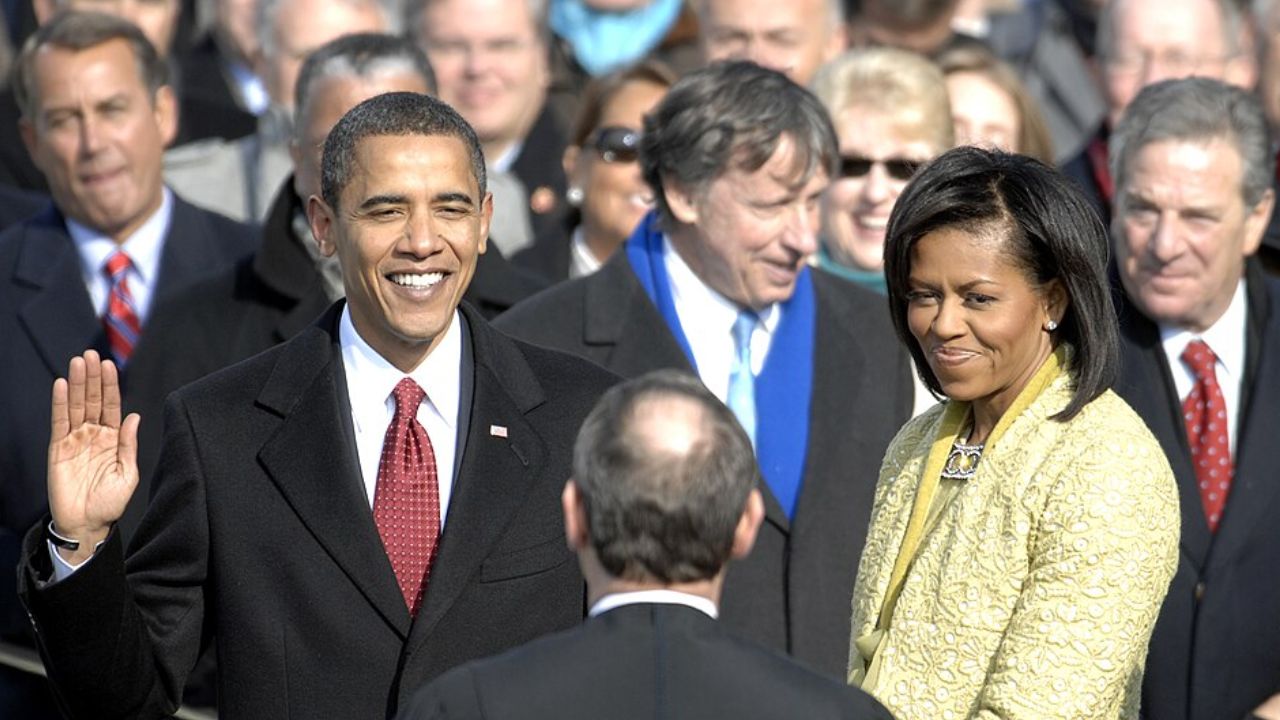
When Barack Obama raised his right hand on January 20, 2009, the country wasn’t just changing presidents—it was trying to keep its footing. Jobs were vanishing, household wealth was shrinking, and the financial system still looked shaky even after emergency rescues the fall before. People didn’t need a lot of political theater; they needed paychecks, functioning banks, and a sense that tomorrow wouldn’t be worse than today.
It’s easy to forget how raw it felt in real time. The crisis had been building for years, then suddenly it was everywhere: foreclosed homes, frozen credit, plunging retirement accounts, anxious employers cutting hours. Obama entered office at a moment when “normal” didn’t seem guaranteed.
A crisis years in the making, exploding in 2008
The roots of the meltdown stretched back through the housing boom of the early-to-mid 2000s. Home prices rose fast, lenders loosened standards, and a lot of borrowers ended up with mortgages they couldn’t really afford once teaser rates reset. At the same time, Wall Street bundled and sold mortgage-related investments that looked safe—until they very much weren’t.
By 2007 and 2008, defaults climbed and housing prices started falling, which flipped the whole story. Securities tied to mortgages lost value, banks became unsure who was holding the bad assets, and trust evaporated. That’s a fancy way of saying: the financial system began to seize up.
The fall before inauguration: the panic hits full volume
In September 2008, the crisis turned into a full-blown panic. Lehman Brothers collapsed, major firms either failed, merged in a hurry, or turned to the government for help, and credit markets tightened dramatically. Even healthy businesses can’t operate for long if they can’t borrow to make payroll or finance inventory.
The federal government responded with emergency steps during the final months of George W. Bush’s presidency, including the Troubled Asset Relief Program (TARP), designed to stabilize the financial system. That intervention didn’t magically fix the economy, but it did try to keep the banking system from falling over entirely. By the time Obama was elected, the immediate fire was still burning, and the smoke was everywhere.
What the numbers looked like when Obama arrived
By early 2009, the economy was contracting fast. The recession officially began in December 2007, but the worst stretch came later, with steep job losses through late 2008 and early 2009. In other words, Obama didn’t inherit a slump that was “maybe getting better soon”—he inherited one that was still accelerating.
Unemployment would climb to around 10% later in 2009, and millions of jobs had already disappeared. The stock market had fallen sharply from its 2007 peak, which mattered even to people who didn’t trade stocks, because retirement accounts and pensions were getting hammered. And housing—often the biggest source of middle-class wealth—was in a deep dive.
Everyday life during the Great Recession
The crisis wasn’t abstract for most families. It showed up as canceled job offers, “we’re cutting your hours,” and suddenly competing with hundreds of people for the same opening. If you kept your job, you might still have felt stuck, because raises vanished and everyone was afraid of being next.
Homeowners watched “For Sale” signs multiply like they were on a group discount plan. Foreclosures rose, neighborhoods took a hit, and people who wanted to move found out their mortgage could be bigger than what their home was now worth. Even folks who’d done everything “right” felt trapped by a situation they didn’t create.
The big immediate challenge: stop the bleeding
Obama’s team came in focused on two urgent tasks: stabilize the financial system and restart the broader economy. Stabilizing didn’t just mean helping banks; it meant making sure credit flowed to small businesses, car buyers, students, and homeowners. When lending freezes, the whole economy starts acting like a phone with no signal—everyone’s trying to communicate, but nothing goes through.
The administration also had to deal with a crisis of confidence. Consumers were saving more because they were scared, businesses were cutting because sales were down, and those moves fed on each other. Breaking that cycle required policies that could move quickly, even if they weren’t perfect.
The early policy response: stimulus, rescues, and repair work
One of the first major actions was the American Recovery and Reinvestment Act (ARRA) in February 2009, a large stimulus package aimed at boosting demand through a mix of tax cuts, aid to states, extended unemployment benefits, and spending on infrastructure and other programs. The logic was straightforward: if the private sector is pulling back hard, the government can temporarily step in to keep money circulating. Critics argued about size and design, but the sense of urgency was hard to miss.
Another piece of the puzzle involved the auto industry, which was on the brink. The administration continued and expanded efforts begun during the Bush era to prevent an outright collapse of General Motors and Chrysler, using structured assistance and reorganizations. The goal wasn’t to reward bad decisions; it was to avoid a supply-chain domino effect that could’ve destroyed many more jobs.
There was also the unglamorous work of bank “stress tests” in 2009, designed to restore confidence by assessing whether major banks could survive further economic pain. Banks that needed more capital were pushed to raise it, and the process was meant to reduce the constant guessing game about who might fail next. It wasn’t a cure-all, but it helped calm markets that had been running on adrenaline and fear.
Housing: the slowest-moving part of the mess
If the financial panic was a sprint, the housing fallout was a marathon—except nobody trained for it and the course kept changing. Foreclosures and underwater mortgages didn’t resolve quickly, and many communities dealt with declining property values for years. The administration supported various foreclosure-prevention and mortgage-modification efforts, but housing proved stubborn and uneven across regions.
Part of the challenge was structural: mortgages are complicated, investors can be numerous, and changing loan terms at scale is hard. Also, even if you slow foreclosures, you still have to deal with excess housing supply and weakened demand. So while the broader economy could begin stabilizing, housing often lagged behind.
Why historians rank it among the worst crises
The Great Recession is frequently described as the most severe economic downturn since the Great Depression, and for good reason. The damage wasn’t limited to one sector, and the hit to wealth—especially through housing—was massive. The speed of the financial panic and the scale of job losses made it feel, at the time, like the floor could keep dropping.
Obama entered office with limited room for error and even less patience from the public. People wanted fixes that worked yesterday, and political fights didn’t pause just because the economy was on fire. Governing in that environment meant juggling emergencies while trying to design policies that wouldn’t cause new problems down the road.
How things looked as the first year unfolded
By mid-to-late 2009, key measures suggested the free fall was easing: financial markets were calmer and the economy returned to growth later that year. But “growth” didn’t instantly translate into relief for families. Job recovery was slow, and many communities continued to feel like the recession never really left the building.
That mismatch—between improving indicators and everyday hardship—shaped how many people experienced Obama’s early presidency. The crisis he inherited was huge, and while the trajectory changed over time, the scars took longer to fade. If you’re looking for a single phrase to capture it, “entered office during one of America’s worst economic crises” isn’t hype—it’s a pretty fair summary of what the country was living through.