
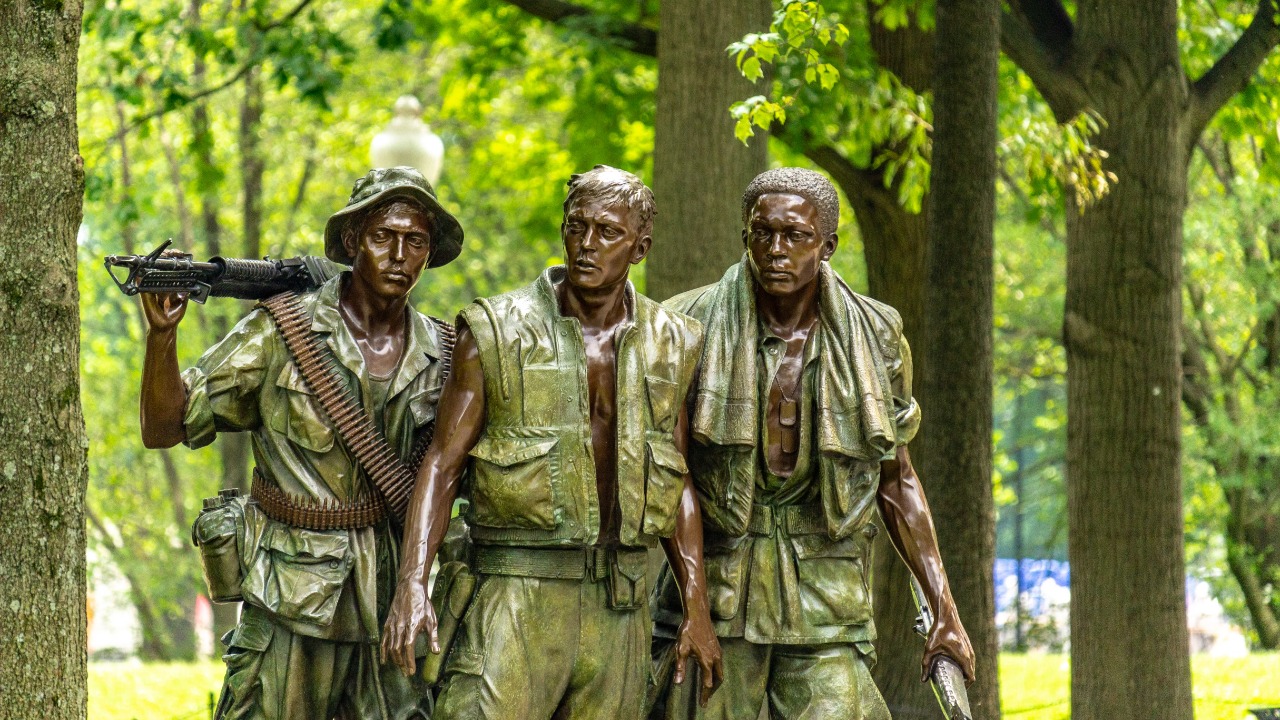
Lyndon B. Johnson didn’t come into the White House expecting to be remembered for a war. He arrived after John F. Kennedy’s assassination in 1963, determined to steady the country and push through a sweeping domestic agenda. For a while, it looked like his presidency might be defined by civil rights laws, anti-poverty programs, and a big, ambitious idea he called the “Great Society.” Then Vietnam swallowed the schedule, the politics, and eventually Johnson’s own plans.
The Vietnam War didn’t just add a chapter to Johnson’s story—it rewrote the whole book. It changed what he spent his time on, what Congress would tolerate, how the public saw him, and even whether he thought he could keep the job. By the end, Johnson was a president who’d signed landmark reforms and still felt cornered by a conflict he couldn’t end on terms that satisfied anyone.
A president focused on home—until Vietnam forced its way in
Early on, Johnson’s instincts were domestic. He knew Congress, he knew how to count votes, and he believed the federal government could do big things—expand opportunity, fight poverty, improve schools, protect voting rights. In 1964 and 1965, he won major legislative victories that reshaped American life.
But foreign policy has a way of interrupting even the most carefully planned presidency. Vietnam was already simmering when Johnson took office, and the U.S. had advisors on the ground. The question wasn’t whether America was involved—it was whether Johnson would deepen that involvement, and how far.
How escalation became Johnson’s daily reality
Johnson didn’t start out publicly selling Vietnam as the central mission of his presidency. In fact, he often tried to keep it from dominating the headlines, partly because he feared it would derail his Great Society agenda. He also worried that looking “soft” on communism would hand political ammunition to his opponents, especially in the Cold War atmosphere of the 1960s.
As conditions worsened and pressure mounted, Johnson approved major escalations. After the Gulf of Tonkin incident in 1964, Congress passed the Gulf of Tonkin Resolution, giving him broad authority to use military force in Southeast Asia. Soon, troop numbers surged, bombing campaigns expanded, and Vietnam became less of a policy problem and more of a consuming, grinding war that demanded constant attention.
The Great Society vs. the war: a budget and attention tug-of-war
One of the most underrated ways Vietnam transformed Johnson’s presidency was how it squeezed everything else. Wars are expensive, not just in dollars but in political oxygen. Every new troop deployment, every casualty report, every request for funding pulled focus away from education initiatives, healthcare expansion, and poverty programs.
Johnson tried, for a time, to do both—fund a war and build a more generous society at home. But that balancing act was fragile. As military costs rose and inflation pressures grew, critics started framing Great Society programs as luxuries the country couldn’t afford, even though Johnson saw them as essential.
Trust, credibility, and the growing “credibility gap”
Vietnam also transformed Johnson’s relationship with the public, largely through the issue of trust. As the war escalated, official statements often sounded optimistic—progress was being made, the end was in sight, victory would come with patience. Meanwhile, television brought the war into American living rooms with a bluntness no previous conflict had faced.
The mismatch between upbeat assurances and messy reality fed what people began calling the “credibility gap.” Even Americans who weren’t following every policy detail could feel something was off. Once trust starts slipping, it’s hard to win it back, and Johnson found himself defending not only strategy but honesty itself.
The antiwar movement moves from the margins to the mainstream
Protest wasn’t new in America, but Vietnam turned it into a broad, sustained, and highly visible force. College campuses became organizing hubs, draft resistance grew, and marches drew huge crowds. At first, some Americans dismissed protesters as fringe or unpatriotic, but as the war dragged on, opposition widened.
Johnson, who’d spent his career mastering the art of persuasion, struggled to connect with the new tone of dissent. The conflict wasn’t just overseas—it was in the streets, on campuses, and around dinner tables. And when a war starts splitting the public that way, a president’s room to maneuver shrinks fast.
1968 and the moment the war changed everything
If there was a turning point that made Vietnam feel inescapable, it was the Tet Offensive in early 1968. Militarily, U.S. and South Vietnamese forces eventually repelled the attacks. Politically and psychologically, though, Tet undercut claims that victory was near and made the war look, to many viewers, far more unwinnable than they’d been told.
Support for the war fell further, and pressure increased for a new strategy—or an exit. Johnson’s approval ratings sank. Suddenly, Vietnam wasn’t merely one major issue among many; it was the lens through which his entire presidency was judged.
A presidency boxed in by politics—right up to the re-election decision
Vietnam transformed the political landscape around Johnson. Hawks criticized him for not winning decisively; doves criticized him for escalating in the first place. That two-sided squeeze is a brutal place for any president to live, especially one who built his career on building coalitions and getting results.
Then came the shocker: on March 31, 1968, Johnson announced he would not seek re-election. He also signaled a shift toward negotiations and limited bombing, trying to open the door to peace talks. It was a stunning acknowledgment that the war had not only shaped his presidency—it had effectively ended his political future.
How Vietnam reshaped Johnson’s legacy in real time
What’s striking is that Johnson’s legacy was being rewritten while he was still in office. He signed the Civil Rights Act of 1964 and the Voting Rights Act of 1965—historic achievements that would be career-defining for most presidents. Yet Vietnam so dominated public conversation that those victories often felt, to many Americans, like they were happening in the shadows of nightly war updates.
Johnson himself seemed to feel that tension acutely. He wanted to be remembered as a builder—a guy who improved lives through law and policy. Instead, he watched the war become the shorthand for his time in the Oval Office, the thing people couldn’t stop arguing about, the thing that made every other accomplishment harder to see.
The lasting change: what Johnson’s presidency tells us about war and power
In the end, Vietnam didn’t just change Lyndon Johnson’s presidency; it changed how Americans thought about the presidency. It raised hard questions about executive power, military commitments, and whether leaders were leveling with the public. It also showed how a conflict abroad can scramble priorities at home, turning a domestic agenda into something a president fights for in the margins.
Johnson’s story is messy, human, and oddly familiar: a leader with big plans, pulled into decisions that snowballed, then judged by outcomes that felt beyond anyone’s control. If you’re wondering how one issue can overtake a presidency, Vietnam and Lyndon Johnson are the case study people keep coming back to—because it happened in slow motion, and everyone could see it.