
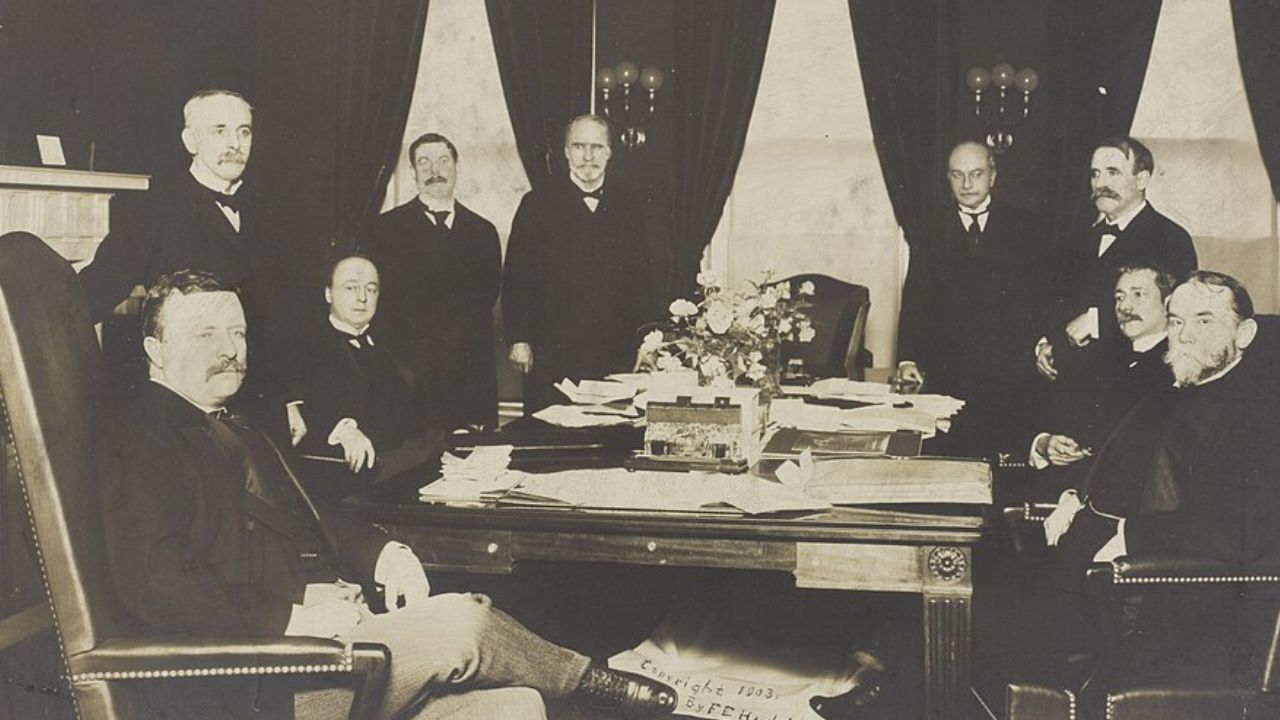
Walk into almost any conversation about “high-energy” presidents, and Theodore Roosevelt shows up fast. More than a century after he left the White House, his name still feels like shorthand for a certain kind of leadership: bold, hands-on, restless, and weirdly optimistic about what government can do when it’s run with purpose. He didn’t just hold the office—he seemed to charge through it like a brisk morning ride on horseback.
That’s why Roosevelt keeps popping up in modern debates about leadership, from politics to business to community organizing. People aren’t simply nostalgic for a guy with round glasses and a big grin. They’re reacting to a style that feels energetic, decisive, and—when it works—contagious.
The original “doer-in-chief”
Roosevelt’s reputation starts with his pace. As president from 1901 to 1909, he treated the job less like a ceremonial role and more like a command center. He read relentlessly, met constantly, and pushed his staff and opponents alike to keep up.
Even his personal habits reinforced the brand. He boxed, hiked, hunted, and stayed publicly curious about almost everything. Some presidents are remembered for a speech or a doctrine; Roosevelt is remembered for momentum.
Energy as a message: action beats talk
Part of Roosevelt’s lasting appeal is that his leadership wasn’t just energetic—it looked energetic. He communicated urgency in a way people could feel. Today we’d call it “setting the tone,” but he did it before tone was something consultants tried to engineer.
That show of movement mattered because the early 1900s were full of big, messy transitions: massive corporations, rapid industrialization, and labor unrest. Roosevelt didn’t pretend the country could drift calmly through it all. He treated public problems like challenges you could actually wrestle with, and then he went and wrestled with them.
Taking on monopolies (and making it popular)
Roosevelt’s “trust-busting” era is one of the clearest examples of his action-first style. He wasn’t anti-business across the board, but he did push back against corporations that he believed were abusing power. That stance made him both loved and loathed, which is often how it goes when a leader decides to pick a fight with entrenched interests.
What stands out today is how he used the presidency as a platform for accountability. He understood that enforcement wasn’t only about court cases—it was about signaling that someone was watching. In modern terms, Roosevelt helped define the idea that leadership includes setting boundaries for powerful players, not just cutting ribbons.
Conservation with muscle behind it
Roosevelt is also remembered as a conservation president, and not in the soft, “wouldn’t it be nice” way. He put real political force behind protecting land and wildlife, expanding national forests, establishing wildlife refuges, and supporting the national parks idea that later presidents built on. It wasn’t a side project; it was a major part of how he saw the nation’s future.
That’s another reason his leadership feels “modern.” Today, leaders get judged on whether they can turn big values into concrete policy—climate, housing, public health, you name it. Roosevelt wasn’t perfect, but he demonstrated that a leader can treat long-term stewardship as an urgent priority, not a distant aspiration.
A crisis hits, and he moves toward it
Roosevelt’s handling of the 1902 coal strike is often cited as a moment where he leaned into the role of mediator-in-chief. With the country facing a potential winter fuel shortage, he didn’t just watch industry and labor battle it out. He brought both sides to the table and pressed for a solution.
What’s striking is the willingness to use political capital in real time. Leaders today still face that choice: do you wade into a conflict early and take the heat, or do you wait and hope it resolves itself? Roosevelt’s instinct was to intervene, absorb the criticism, and keep the country moving.
His communication style: direct, vivid, and a little spicy
Roosevelt’s “bully pulpit” wasn’t about bullying people—it was about using the presidency as a megaphone. He spoke in a way that was easy to repeat and hard to ignore. He loved a crisp phrase, a moral frame, and a call to action.
That’s part of why he still feels present. Modern leadership rewards clarity and narrative, not just technical competence. Roosevelt’s language painted problems as solvable and citizenship as active—like something you do, not something you watch.
The leadership lesson people keep borrowing
Roosevelt represents a style that a lot of people secretly want from leaders: visible effort. Not just “we’re working on it,” but proof of motion—meetings held, plans announced, deals pushed forward, obstacles confronted. He made it seem normal for a leader to sweat a little in public.
There’s also the confidence factor. Roosevelt projected belief that institutions could act and that the public deserved that action. In an era when many people feel like systems are stuck or captured, his attitude—sometimes bordering on sheer stubbornness—reads as refreshing.
The fine print: energy isn’t always wisdom
Of course, it’s not all inspirational posters and vigorous hikes. Roosevelt’s era included beliefs and policies that don’t age well, and his brand of muscular nationalism can raise eyebrows now. Energy can tip into impulsiveness, and boldness can steamroll nuance.
Still, that tension is part of the story. Roosevelt is useful as a reference point because he shows both sides of high-octane leadership: it can break logjams and rally people, but it can also create friction and unintended consequences. Remembering him accurately means holding the charisma and the complications at the same time.
Why he still matters right now
Roosevelt represents an energetic style of leadership because he treated the job like a job—one that required effort, persuasion, and constant engagement. He didn’t wait for permission to lead, and he didn’t hide behind process when the public wanted direction. Whether people agree with his choices or not, they recognize the posture: forward-leaning, hands-on, unafraid to make noise.
And maybe that’s the real reason he keeps showing up in today’s conversations. In a world full of carefully managed statements and endless debate about what’s “possible,” Roosevelt is a reminder that leadership can be kinetic. Sometimes, the most powerful thing a leader can communicate is simple: we’re moving.