
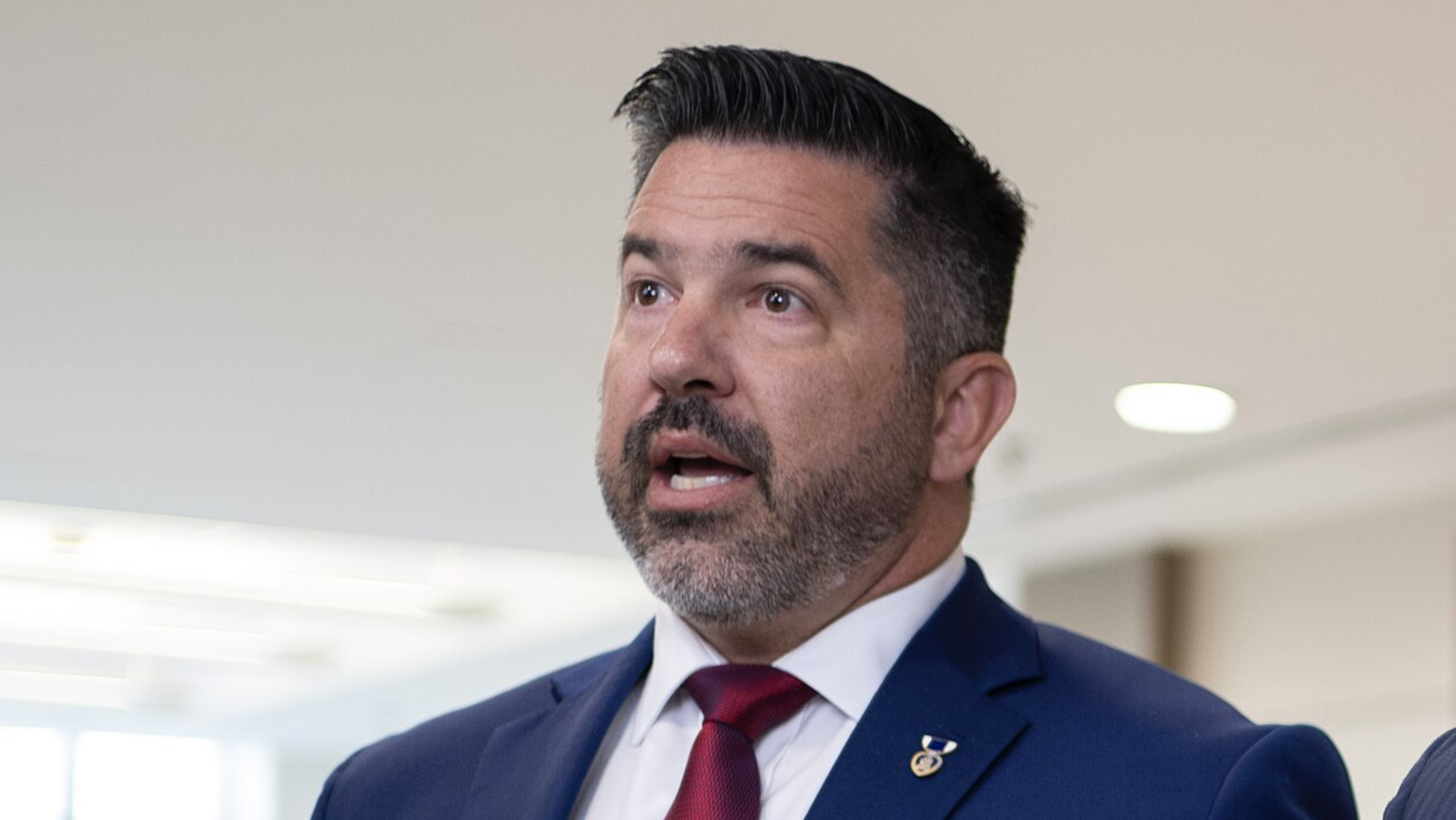
WASHINGTON, June 5, 2026 — Pentagon spokesman Sean Parnell announced Thursday that the Department of War is reducing its list of recognized religious affiliation codes from more than 200 categories to 31 — a consolidation the department called “a long overdue move” designed to help military chaplains more effectively allocate spiritual care resources across units.
“In a long overdue move, we reduced the list from over 200 unmanageable categories to 31,” Parnell wrote on X. “With this move, we are returning to the original intent of collecting this data — to allow our chaplains and religious support personnel to provide the best spiritual care to our warfighters.”
What the Change Does
The reduction consolidates more than 200 previously tracked religious affiliation codes into 31 broader categories. The new list includes major Christian denominations, Buddhism, Hinduism, Islam, Judaism, Sikhism, as well as secular categories including Agnostic, No Religion, and Other Religions, according to a May 20, 2026 implementation memorandum signed by Under Secretary of Defense for Personnel and Readiness Anthony Tata and obtained by Military.com.
The memo directs implementation within 60 days and emphasizes that service members are not limited to the 31 codes for dog tags or personal religious practice — the change affects only the administrative data collected and used by chaplains to assess the spiritual composition of their units.
Parnell was careful to draw a distinction between administrative streamlining and any theological judgment. “This decrease in religious affiliation codes is not designed to make any claims on the legitimacy of any faith or religious belief, nor is it intended to provide a list of ‘officially approved’ religions,” he wrote. “Rather, it is designed to allow chaplains to quickly look at the religious composition of their units and determine how they structure resources to best provide for warfighters of all faith groups.”
The Chaplain Corps Reforms
The code reduction is part of a broader set of Chaplain Corps reforms announced by Defense Secretary Pete Hegseth in March 2026. In a March 25, 2026 announcement, Hegseth outlined a series of changes intended to refocus the Chaplain Corps on what he called its core mission of providing spiritual care to service members — including the plan to consolidate the religious affiliation codes.
Hegseth has framed the Chaplain Corps reforms as part of his broader effort to strip what he calls ideological and bureaucratic bloat from the military and refocus the force on warfighting readiness. The code reduction fits that pattern — eliminating administrative complexity in favor of a leaner, more operationally useful data system.
First Amendment Protections
Parnell closed his announcement with an explicit reaffirmation of the department’s commitment to religious freedom. “The Department of War places a high value on the First Amendment and the free exercise of religion,” he wrote. “Chaplains play an instrumental role in providing spiritual care and facilitating the Warfighters’ ability to freely exercise their religion of choice, or no religion at all.”
The emphasis on “or no religion at all” is significant — the inclusion of Agnostic and No Religion categories in the new 31-code list ensures that service members who identify as nonreligious are still captured in chaplain planning data, addressing a concern that had been raised by secular military advocacy groups in past reviews of the affiliation code system.
Context and Criticism
The previous system of more than 200 codes had grown over decades as the military attempted to capture increasingly granular distinctions among faith traditions — including dozens of subcategories within Christianity, Islam, and Buddhism, as well as smaller faith traditions. Critics of the old system had argued it was administratively unwieldy and made it difficult for chaplains to plan resource allocation meaningfully.
However, the consolidation has also drawn concern from some religious minority and humanist advocacy groups, who argue that collapsing more than 200 categories into 31 risks erasing meaningful distinctions — particularly for smaller faith communities whose specific practices and needs may differ significantly from the broader category they are now grouped under. The American Humanist Association and similar organizations have previously pushed for broader recognition of nonreligious service members in military data systems, not narrower categorization.
The Department of War said the 31-code system will be implemented across all branches within 60 days of the May 20 memo’s issuance, and that it will continuously evaluate the system’s effectiveness in supporting chaplain resource allocation.