
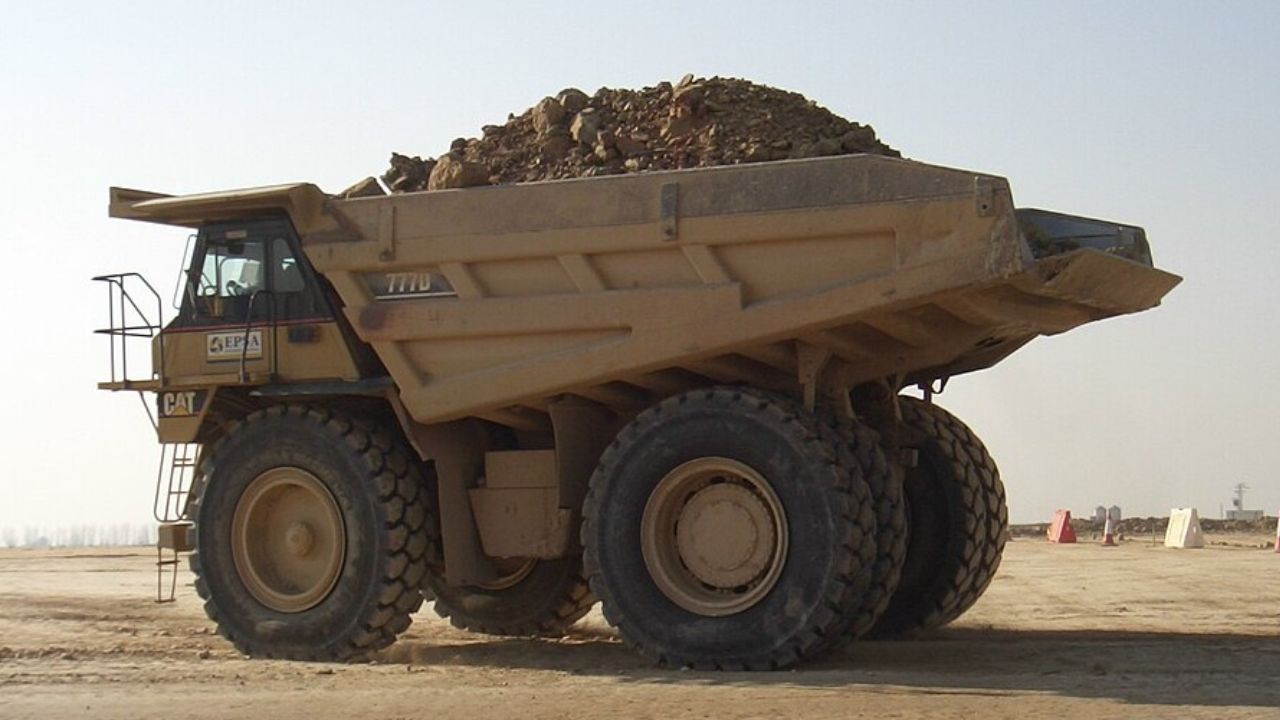
In big mining operations, respect isn’t earned with glossy brochures. It comes from showing up every day, taking punishment from rock and ruts, and still getting the job done when the haul road turns ugly. Over the years, the Caterpillar 777 has built exactly that kind of reputation: not flashy, not fragile, just reliably tough.
Ask a few mine supervisors what makes a haul truck “good,” and you’ll hear the same themes on repeat: uptime, predictable performance, and parts you can actually get. The 777’s story is basically a long-running case study in those basics done right. It’s the kind of machine people mention with a nod, like it’s an old coworker who never called in sick.
A truck that hit the sweet spot
The Caterpillar 777 landed in a practical middle ground that mines love. It offered serious payload capability without forcing every site into the largest, most complicated class of trucks. That made it useful across a wide range of operations, from large quarries to major open-pit mines that needed flexible fleets.
That “sweet spot” matters more than it sounds. Bigger trucks can move more material, sure, but they also demand wider roads, heavier loading equipment, and more support infrastructure. The 777 carved out a space where mines could get strong productivity without rebuilding the entire site around a single truck model.
Built for the real world, not the brochure
Haul trucks live a hard life: steep grades, abrasive dust, heat, cold, and operators with different driving styles all in the same shift. The 777 developed a reputation for handling those daily realities without becoming a constant maintenance emergency. Mines noticed that it could take repetitive cycles and still keep its composure.
Part of that respect comes from the simple fact that it’s designed around durability and serviceability. When something does need attention, crews generally want access, clear diagnostics, and components that don’t turn every repair into a multi-day event. The 777’s long-standing popularity means technicians have seen it before, and that familiarity often translates to faster fixes and fewer surprises.
Why operators tend to like it
Mining equipment doesn’t earn loyalty from operators by being “cool.” It earns it by being predictable: stable on rough roads, responsive when loaded, and not constantly throwing alarms for no reason. Over time, many operators have appreciated the 777’s steady, confidence-building feel, especially in the repetitive rhythm of haul cycles.
Comfort might sound like a luxury in a mine, but it’s actually about performance and safety. A truck that’s easier to control and less fatiguing to run can help reduce mistakes during long shifts. If a machine helps you end the day with less stress and fewer jolts, you’ll probably remember that the next time you bid for a different seat.
Maintenance crews: the quiet judges of a fleet
If you want the honest review of any haul truck, talk to the folks holding the wrenches. They’re the ones who see what fails, what lasts, and what breaks in a way that makes everyone’s life harder. The 777’s status in many fleets has a lot to do with being a truck that maintenance teams can live with, not just management.
Parts availability and service knowledge have also played a big role. When a model becomes widely used, the ecosystem around it grows—more parts on shelves, more techs trained on it, and more hard-earned tips shared between sites. That doesn’t just save money; it keeps production moving, which is the real currency at a mine.
Productivity is more than payload numbers
It’s tempting to judge haul trucks by payload alone, but mines care about material moved per hour, per day, per month—through weather changes and road deterioration and shift changes. The 777 earned trust by delivering consistent production, not just great stats under perfect conditions. Consistency is what lets planners sleep at night.
Cycle time, speed on grade, braking confidence, and how well a truck handles rough haul roads all add up. A slightly smaller truck that keeps running can outperform a larger truck that spends too much time waiting for repairs. That’s one reason the 777 has stayed in the conversation for so long: it tends to keep the math in your favor.
Safety and control where it counts
Haul trucks operate in tight choreography with shovels, loaders, dozers, graders, and light vehicles that seem to appear out of nowhere at exactly the wrong moment. The 777’s reputation includes being a controllable, predictable platform—important traits when you’re moving massive loads around busy benches. Braking performance and stability aren’t “nice to have” when grades and weather are working against you.
Modern mines also pay close attention to visibility, fatigue management, and operational discipline. Over the generations and updates of the 777 line, Caterpillar has steadily improved systems and operator environments to match evolving expectations. The result is a truck that feels like it belongs in today’s safety culture, even if its roots go back years.
A familiar face across the mining world
Another reason the 777 became so respected is simple: it’s everywhere. When a truck model is widely adopted, it becomes a known quantity—people have stories about it, training programs cover it, and secondhand buyers trust it. That broad presence creates a kind of momentum that’s hard for any newcomer to replicate.
It also means the 777 often becomes a bridge truck in fleets that run multiple sizes. Mines can use it to balance production needs, match different loading tools, or work in areas where bigger trucks aren’t practical. In the real world, being adaptable is often more valuable than being the biggest option on paper.
How it earned “respected” instead of just “popular”
Plenty of machines sell well and then fade into the background once something newer arrives. The 777’s name keeps coming up because it’s tied to a particular kind of confidence: the sense that the truck will do what it’s supposed to do, day after day, with minimal drama. In mining, “minimal drama” is basically a love language.
Respect also comes from longevity. Fleets that keep trucks in service, rebuild them, and continue investing in them are voting with their budgets. The 777 has benefited from that long-term commitment, and the feedback loop is pretty straightforward: it works, so people keep it, so support stays strong, so it keeps working.
Still relevant in a changing industry
Mining is shifting fast—automation, data-driven maintenance, and pressure to cut emissions are changing what “good” looks like in a haul truck. Even so, the Caterpillar 777 remains part of many conversations because fundamentals still matter: durability, serviceability, and reliable performance. New tech is great, but only if the truck shows up every shift.
That’s the core of the 777’s reputation. It didn’t become respected by being the loudest or newest machine in the pit. It earned its place the old-fashioned way: by hauling, and hauling, and then hauling some more.