
Putin Announces Deployment of Russia’s Sarmat Nuclear Missile by End of 2026
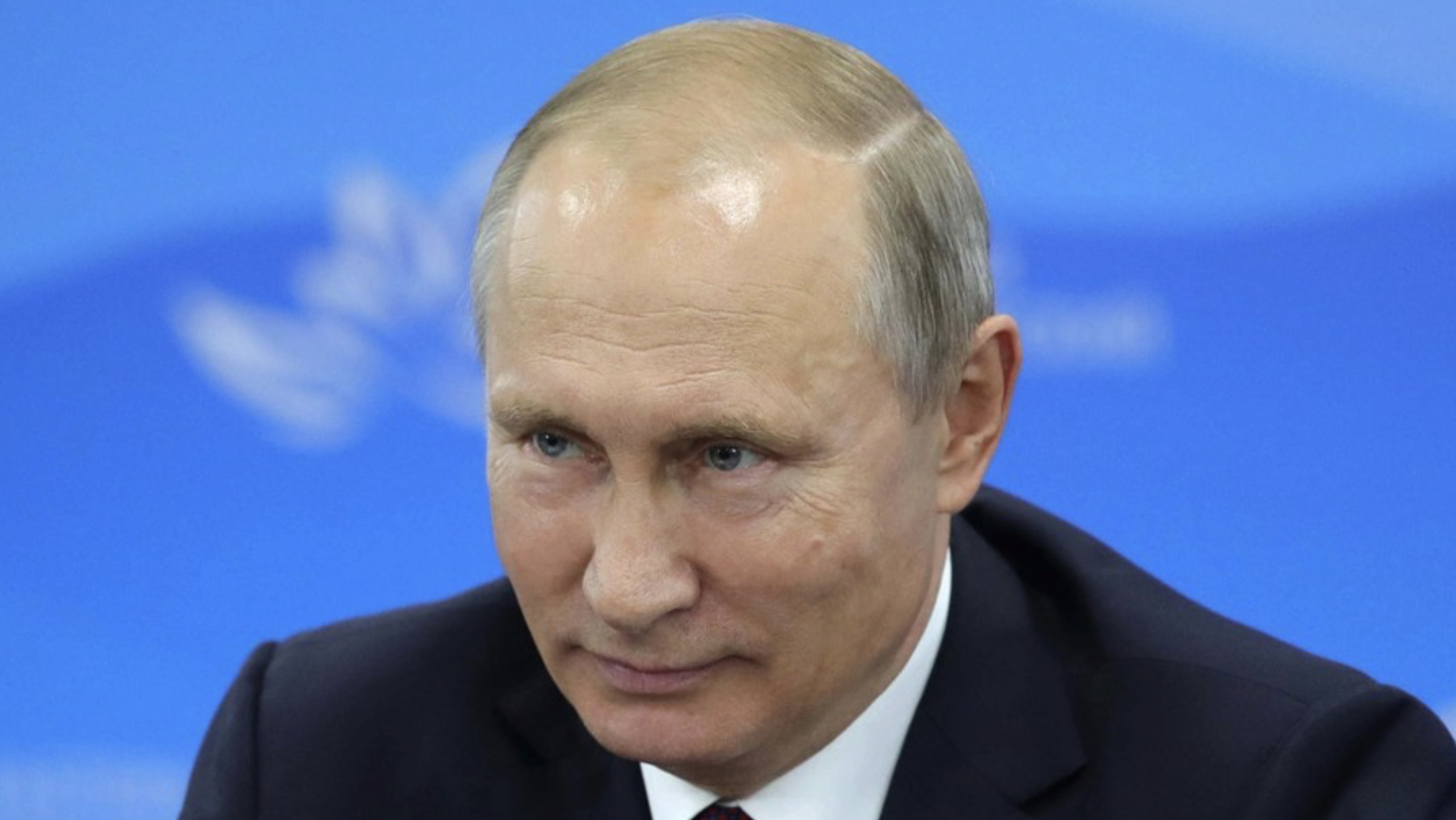
Russian President Vladimir Putin announced Tuesday that Russia will deploy its new Sarmat intercontinental ballistic missile by the end of 2026, describing the weapon as the most powerful nuclear delivery system in the world. The announcement, made during televised remarks, represents one of the most significant public declarations of nuclear capability since Russia began its broader strategic weapons modernization program nearly a decade ago.
A Weapon Designed for Intercontinental Reach
The Sarmat missile, known in NATO nomenclature as the SS-X-30 Satan 2, is a heavy liquid-fueled ICBM designed to deliver multiple nuclear warheads across intercontinental distances, with ranges capable of reaching targets in the United States and Europe. Putin stated that the missile’s range exceeds 35,000 kilometers — approximately 21,750 miles — and that its warhead yield is more than four times greater than any Western equivalent. He further claimed the missile possesses the ability to “penetrate all existing and future anti-missile defence systems,” a statement that, if accurate, would represent a significant challenge to the layered missile defense architectures maintained by the United States and NATO.
The Strategic Missile Forces Weigh In
State television broadcast what officials described as a successful Sarmat test-launch on Tuesday, with footage showing Colonel General Sergei Karakayev, commander of Russia’s Strategic Missile Forces, reporting the results directly to Putin. Karakayev stated that deploying the Sarmat system would “significantly enhance the combat capabilities of the ground-based strategic nuclear forces in terms of guaranteeing the destruction of targets and solving strategic deterrence problems.” The language used by Karakayev reflects longstanding Russian nuclear doctrine, which frames strategic weapons primarily in terms of assured retaliation and deterrence credibility — the capacity to inflict unacceptable damage on an adversary even after absorbing a first strike.
A Troubled Development History
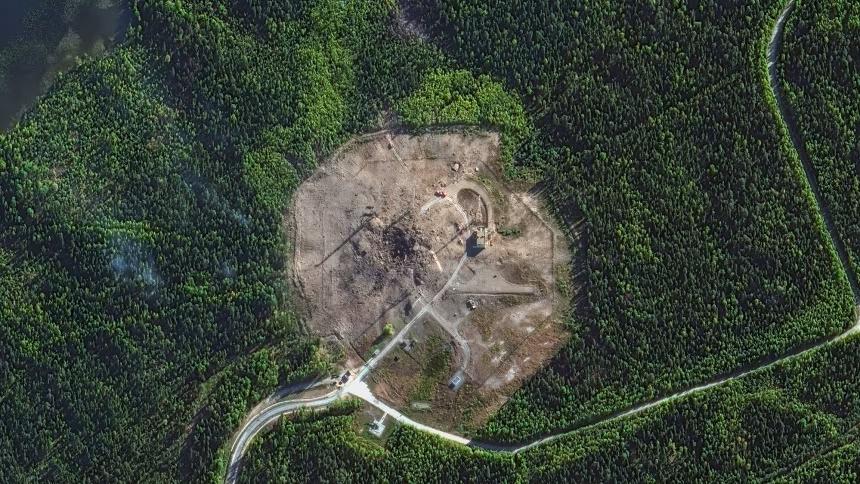
The road to deployment has not been smooth. The Sarmat program was first announced by Putin in March 2018 as part of a presentation revealing several next-generation strategic weapons systems, many of which were accompanied by animated videos depicting strikes on what appeared to be Florida. Since then, the program has experienced multiple delays and at least one publicly acknowledged failure. Western defense analysts documented a particularly significant setback in September 2024, when a Sarmat test reportedly ended in an explosion that left a deep crater at the launch silo. That incident raised questions about the missile’s technical readiness and cast doubt on Russia’s timeline for operational deployment.
Western Skepticism of Russian Claims
Western security analysts have consistently questioned the more expansive claims attached to Russia’s new generation of strategic weapons. Analysts note that Putin has a pattern of overstating capabilities during weapons announcements, particularly in the context of systems that are still in development or have experienced testing failures. The assertion that Sarmat can defeat all current and future missile defense systems is particularly disputed — American and NATO missile defense architectures are designed around layered redundancy, and no single weapon system has been demonstrated to reliably defeat them in operationally realistic conditions. The question of whether the Sarmat’s warhead yield and range figures have been independently verified remains open.
Nuclear Signaling in the Context of Ongoing Conflict
Putin’s nuclear announcements do not occur in a vacuum. Since Russia’s full-scale invasion of Ukraine began in February 2022, the Russian president has repeatedly referenced the size, power, and readiness of Russia’s nuclear arsenal in public statements. Western governments have consistently characterized these statements as deliberate signaling — attempts to raise the perceived cost of Western military support for Ukraine and deter NATO from more direct involvement in the conflict. The Sarmat announcement follows this pattern, arriving at a moment when Western nations continue to supply Ukraine with advanced weapons systems and the diplomatic landscape remains unsettled. Whether Tuesday’s announcement represents a genuine acceleration of the deployment timeline or a continuation of Russia’s strategic communication campaign is a question defense analysts and Western intelligence services are now actively assessing.
What Deployment Would Actually Mean
If Russia successfully deploys the Sarmat in operational numbers before year’s end, it would mark the first fielding of a new Russian heavy ICBM in decades. The Soviet-era RS-36M Voevoda — the missile Sarmat is designed to replace — has been the backbone of Russia’s silo-based heavy ICBM force since the 1970s and 1980s. Sarmat’s larger throw-weight, longer range, and reported capacity to carry a greater number of independently targetable warheads would represent a meaningful upgrade to Russia’s strategic deterrent on paper. The extent to which those capabilities have actually been validated through successful testing remains unclear given the program’s history of setbacks.
The Broader Modernization Program
Sarmat is one component of a wider Russian nuclear modernization effort that has proceeded in parallel with conventional military operations in Ukraine. The program also includes the Kinzhal air-launched hypersonic missile — which has been used operationally in Ukraine — the Avangard hypersonic glide vehicle, the Poseidon nuclear-powered underwater drone, and the Burevestnik nuclear-powered cruise missile. Each system has been presented by Russian officials with claims of invulnerability to Western defenses, and each has drawn varying degrees of skepticism from outside analysts. The cumulative intent of the program, as stated by Russian defense officials, is to ensure that Russia’s nuclear deterrent remains credible and technically superior through at least 2035.
The Arms Control Landscape
The Sarmat deployment announcement arrives against a deteriorating arms control backdrop. The New START treaty — the last remaining bilateral nuclear arms limitation agreement between the United States and Russia — was suspended by Moscow in February 2023, removing the inspection and verification mechanisms that had provided both sides with some degree of confidence in each other’s declared nuclear postures. With no active treaty framework in place, independent verification of Russia’s nuclear claims, including the Sarmat’s capabilities and deployment status, has become significantly more difficult. NATO has responded to the broader Russian strategic posture by reaffirming the credibility of its own nuclear deterrent and increasing the readiness of alliance defense postures across Eastern Europe.
Stakes for Global Security
Whatever the final technical specifications of the Sarmat system prove to be, the political implications of its deployment are significant. A new Russian heavy ICBM entering operational service would almost certainly prompt responses from the United States and its allies in the form of accelerated modernization of American strategic forces — a process already underway with programs including the Sentinel ICBM, the B-21 Raider bomber, and the Columbia-class ballistic missile submarine. The interaction between Russian nuclear modernization, American strategic modernization, and the absence of any active arms control framework represents one of the more consequential security dynamics of the current period. Putin’s announcement on Tuesday ensures that the Sarmat missile will remain near the center of that conversation for the remainder of 2026.