
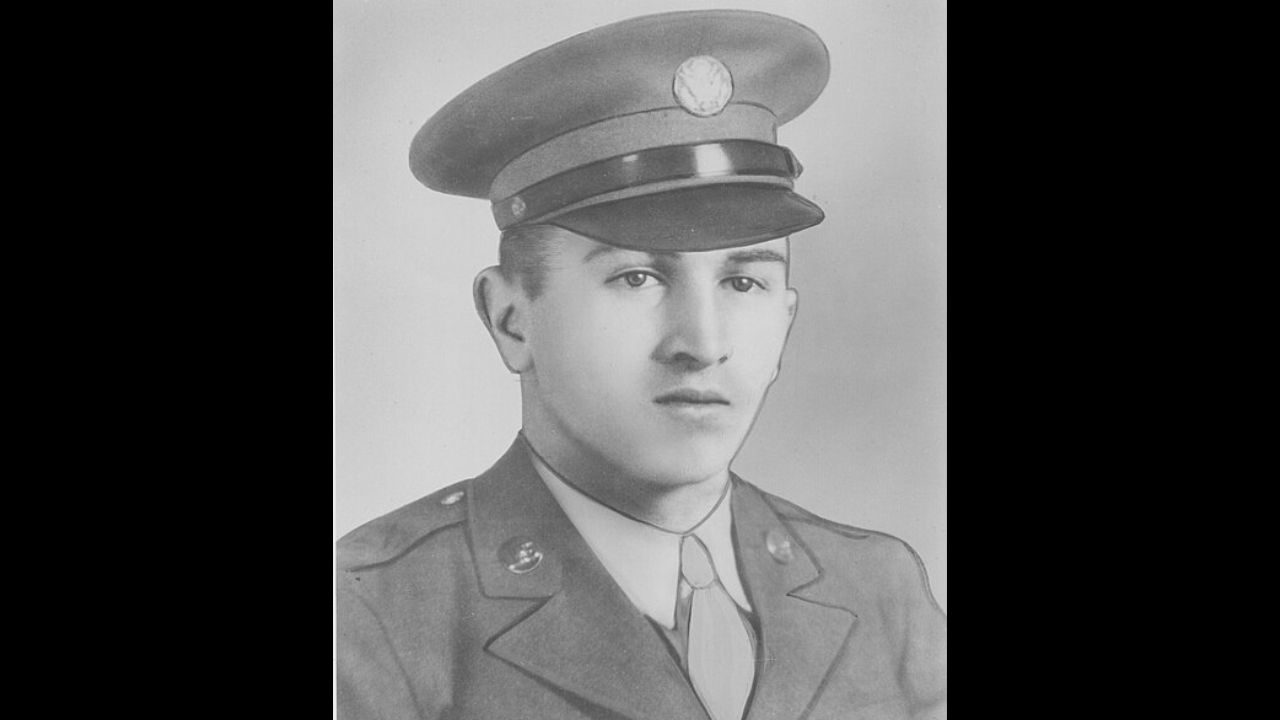
William Fournier is a name etched in the annals of heroism, known for his unwavering resolve in the face of overwhelming adversity. His story is one of courage and sacrifice, where he held a defensive position against impossible odds, buying precious time for others. His actions serve as a testament to courage, strategy, and selflessness under duress.
The Setting: A Battlefield of Desperation
The setting of William Fournier’s courageous stand was a battlefield that was both physically challenging and strategically vital. Nestled within a region fraught with conflict, the location was crucial for both defensive and offensive operations. The rough terrain, with its unpredictable weather and harsh conditions, added layers of difficulty to an already dire situation. The enemy had significant advantages in numbers and resources, creating an uphill battle for Fournier and his comrades.
The enemy forces were well-equipped and had a history of tactical superiority in the region. Their strength lay not just in numbers but also in their strategic placements and supplies. In contrast, Fournier’s unit was stretched thin, facing a scarcity of resources and reinforcements. The tactical objective was to hold the line long enough to allow for the evacuation of civilians and regrouping of forces. However, as the enemy advanced, the situation became increasingly precarious, threatening the success of the mission.
The mission’s objectives were straightforward yet challenging: to delay the enemy’s advance and protect the retreating forces. However, as events unfolded, the odds stacked heavily against them. The enemy’s relentless push threatened to overrun their position, and it became clear that drastic measures were necessary to achieve their goals. In this chaotic environment, Fournier emerged as a beacon of resilience, ready to stand his ground and face overwhelming odds.
The Man Behind the Hero: William Fournier
William Fournier was not just a soldier but a man whose life experiences had shaped him into a leader ready for the extraordinary. Raised in a small town, Fournier grew up with a strong sense of community and duty. His upbringing instilled in him the values of hard work, integrity, and selflessness. This foundation would later serve him well in the military, where he quickly rose through the ranks due to his dedication and leadership abilities.
Fournier’s military career was marked by a series of accomplishments that highlighted his strategic mind and unwavering commitment to his comrades. His peers often spoke of his ability to remain calm under pressure and his knack for inspiring confidence in those around him. Superiors noted his strategic acumen and ability to make difficult decisions with limited information. These traits would prove vital during the critical moments on the battlefield.
Anecdotes from those who knew Fournier paint a picture of a man who was not only respected but genuinely admired by those who served with him. One fellow soldier recounted a time Fournier organized an impromptu rescue mission that saved several lives, showcasing his quick thinking and bravery. His leadership qualities were evident to all who encountered him, and his actions on the battlefield would further cement his legacy as a true hero.
The Moment of Decision: Facing Overwhelming Odds
The moment of decision for William Fournier came amidst chaos and uncertainty. As the enemy forces advanced, it became apparent that a strategic retreat was necessary to preserve the lives of many. However, executing this maneuver required someone to hold the line and buy time for others to escape. Fournier, recognizing the gravity of the situation, volunteered to remain behind, fully aware of the likelihood that he might not survive.
In the heat of battle, Fournier’s tactical decisions were nothing short of remarkable. He utilized the terrain to his advantage, setting up defensive positions that maximized their limited resources. By strategically positioning his men and coordinating their efforts, he managed to create a formidable defense despite being outnumbered. His ability to adapt to the rapidly changing conditions and make split-second decisions was instrumental in delaying the enemy’s advance.
The immediate impact of Fournier’s actions was profound. His steadfast defense not only stalled the enemy but also provided a much-needed morale boost to his fellow soldiers. Witnessing his bravery inspired those around him to fight with renewed vigor, buying precious time for the evacuation efforts. Though heavily outnumbered, his leadership created an unexpected barrier that the enemy struggled to overcome, ultimately altering the course of the battle.
The Aftermath: Legacy of Sacrifice
The repercussions of William Fournier’s actions were felt long after the battle had ended. His courageous stand allowed countless lives to be saved, and his sacrifice became a rallying point for his comrades. The successful evacuation and regrouping of forces were directly attributed to the time he bought by holding the line. This tactical advantage enabled his unit to mount a counteroffensive that ultimately turned the tide in their favor.
In recognition of his bravery and sacrifice, Fournier was posthumously awarded several honors, including the Distinguished Service Cross. His actions were celebrated as a shining example of selflessness and dedication to his fellow soldiers. Memorials were erected in his honor, and his story was shared widely, ensuring that his legacy would endure for generations to come.
Personal stories from those who survived because of Fournier’s actions add a deeply human element to his legacy. Many have shared heartfelt testimonials about how his courage inspired them in their own lives. Some have even gone on to serve in leadership roles, citing Fournier’s example as a guiding force in their decisions. His impact transcended the immediate context of the battle, leaving an indelible mark on all who knew him and those who have since learned of his heroism.
Lessons in Leadership and Valor
William Fournier’s story offers valuable lessons in leadership and valor that resonate beyond the battlefield. His actions exemplified key leadership qualities such as decisiveness, strategic thinking, and the ability to inspire and rally others. These qualities are not only applicable in military contexts but also in various fields such as business, education, and community service. Fournier’s example serves as a powerful reminder of the impact one individual can have when they lead with integrity and courage.
The moral and ethical dimensions of Fournier’s actions invite reflection on the concept of self-sacrifice for the greater good. His willingness to put the needs of others before his own safety underscores a profound ethical commitment that challenges us to consider how we can contribute to the well-being of others in our lives. In an era where individualism often prevails, Fournier’s story stands as a testament to the power of collective action and the importance of placing community above self.
Fournier’s legacy continues to inspire current and future generations across various professions. His story is shared in leadership training programs, educational curricula, and community events as an example of what it means to lead with courage and compassion. As society grapples with complex challenges, the values embodied by Fournier remain as relevant as ever, urging us to strive for a world where bravery and selflessness are celebrated and emulated.