
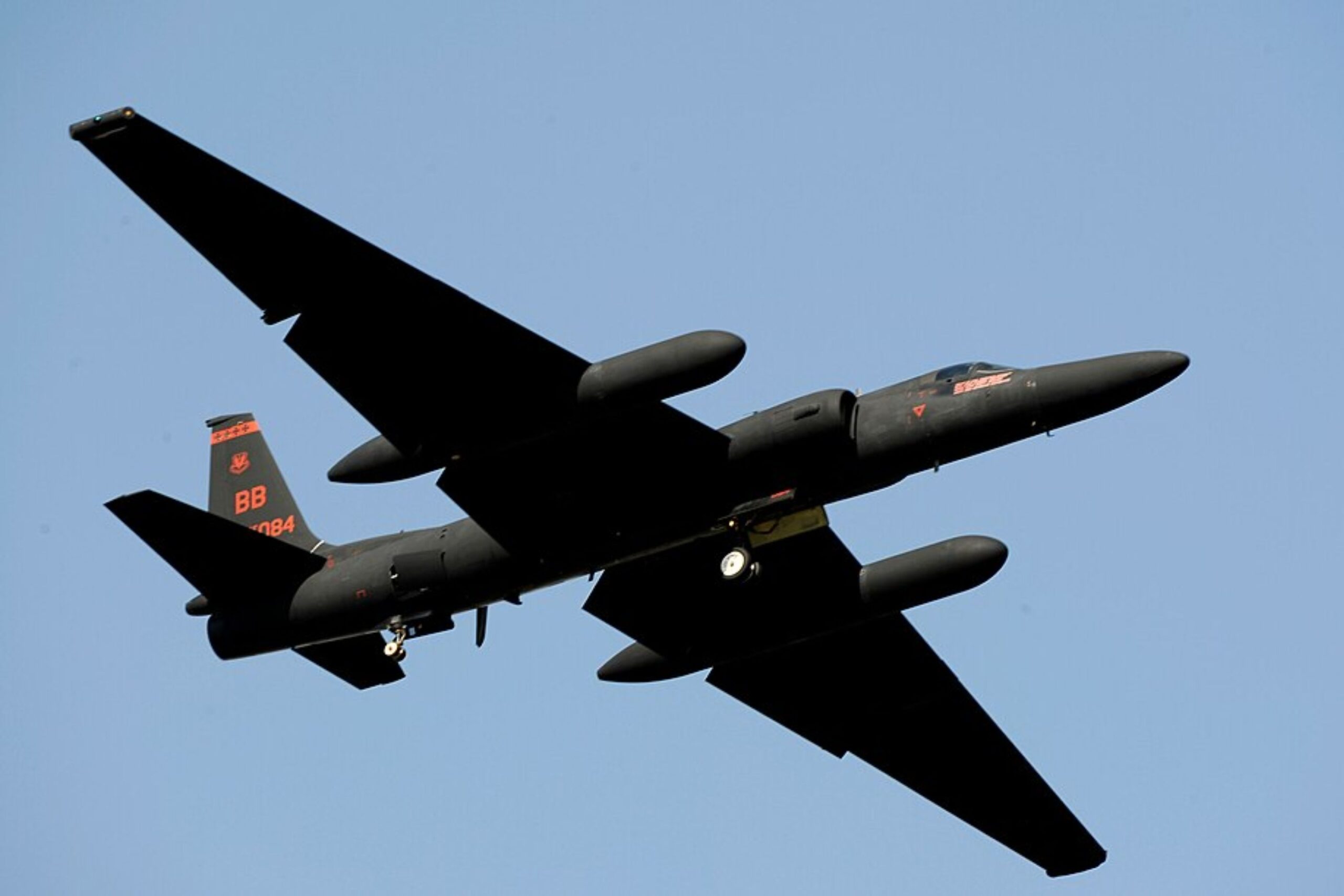
The U-2 spy plane, developed during the Cold War, was a pivotal asset in gathering intelligence for the United States. Its cutting-edge engineering allowed it to fly at altitudes unreachable by enemy fighters and missiles, providing crucial information about Soviet activities. The technological innovations behind the U-2 and its significant role in Cold War espionage were instrumental in shaping the geopolitical landscape of the time.
Development and Design of the U-2
In the tense atmosphere of the Cold War, the United States faced a formidable challenge: obtaining reliable intelligence about the Soviet Union. The impetus for creating the U-2 was the pressing need for high-altitude reconnaissance. Traditional means of intelligence gathering were inadequate for penetrating the Iron Curtain, and the U-2 was conceived as a solution to this problem. Its ability to fly at altitudes beyond the reach of Soviet radar and anti-aircraft defenses promised a new era of information superiority.
The engineering breakthroughs that made the U-2 a reality were nothing short of remarkable. The aircraft’s design incorporated a host of innovative elements, including the use of lightweight materials like titanium and aluminum to ensure it could reach unprecedented altitudes. Its long, slender wingspan provided the lift needed for high-altitude flight, while its unique aerodynamics minimized drag, allowing it to soar above 70,000 feet. These design choices were critical in achieving the project’s ambitious goals.
The development of the U-2 was a testament to the power of collaboration and secrecy. Lockheed, under the leadership of Clarence “Kelly” Johnson, worked closely with the U.S. government to bring the U-2 from concept to reality. The project was shrouded in secrecy, with the aircraft being constructed at a remote site known as Area 51. This clandestine approach ensured that the Soviets remained unaware of the U-2’s capabilities until it was too late.
Technological Features and Capabilities
The key to the U-2’s success was its ability to operate at altitudes above 70,000 feet, a feat unmatched by any other aircraft of its time. This high-altitude flight capability was achieved through a combination of engineering innovations, including its powerful engines and lightweight construction. By flying above the range of most enemy fighters and surface-to-air missiles, the U-2 could conduct missions with a high degree of safety and effectiveness.
Equipped with state-of-the-art cameras and sensors, the U-2 was a marvel of surveillance technology. Its cameras could capture detailed images from miles above the Earth, providing intelligence analysts with the data needed to assess Soviet military capabilities and activities. These advanced systems allowed for the collection of high-resolution photographs and electronic intelligence, highlighting the U-2’s precision and effectiveness in gathering crucial information.
However, the U-2 was not without its challenges and limitations. One of the most significant operational difficulties was its vulnerability during descent and landing. The aircraft’s design, optimized for high-altitude flight, made it challenging to control at lower altitudes. Pilots had to be exceptionally skilled to manage these transitions safely. Additionally, the rapid advancements in Soviet missile technology necessitated constant upgrades to the U-2’s systems to maintain its edge in reconnaissance missions.
Operational History and Key Missions
The U-2’s operational history is marked by a series of high-stakes missions that significantly impacted U.S. intelligence capabilities. Its early missions over Eastern Europe and the Soviet Union provided invaluable insights into the Soviet military’s strength and positioning. These flights, often undertaken at great personal risk by the pilots, allowed the United States to gain a clearer understanding of the strategic landscape, influencing foreign policy decisions.
One of the most infamous incidents involving the U-2 was the downing of pilot Francis Gary Powers in 1960. Shot down over the USSR, Powers’ capture became a diplomatic flashpoint, straining U.S.-Soviet relations. The incident underscored the risks associated with reconnaissance flights and led to increased scrutiny of U.S. intelligence operations. Despite the setback, the U-2 continued to play a crucial role in Cold War espionage, adapting to the evolving geopolitical environment.
The U-2’s contributions to major Cold War events cannot be overstated. Perhaps most notably, its reconnaissance flights during the Cuban Missile Crisis provided President Kennedy with the evidence needed to confront the Soviet Union about its missile installations in Cuba. The detailed photographs captured by the U-2 were instrumental in averting a potential nuclear conflict, highlighting the aircraft’s significant impact on decision-making at the highest levels of government.
Impact on Cold War Intelligence and Strategy
The intelligence breakthroughs achieved by the U-2 were pivotal in shaping U.S. foreign policy and military strategies throughout the Cold War. The detailed reconnaissance data it provided enabled American leaders to make informed decisions, from arms control negotiations to military deployments. The U-2’s ability to deliver timely and accurate intelligence gave the United States a strategic advantage in its dealings with the Soviet Union.
As the U-2 demonstrated the value of high-altitude reconnaissance, it paved the way for the evolution of surveillance technology. The aircraft’s success spurred the development of subsequent reconnaissance platforms, including satellites and drones, which have become integral components of modern intelligence operations. The U-2’s legacy is evident in these advancements, as it set the standard for what could be achieved in the realm of intelligence gathering.
The long-term impact of the U-2 on intelligence operations is undeniable. Even today, the aircraft remains in service, having undergone numerous upgrades to meet contemporary intelligence needs. Its continued use highlights its enduring relevance and influence, serving as a testament to the ingenuity of its original design and the foresight of those who envisioned its role in global security.
Contemporary Relevance and Legacy
In the modern era, the U-2 has been adapted to address current intelligence challenges. Equipped with cutting-edge technology, it continues to play a vital role in gathering intelligence for the United States and its allies. The aircraft’s versatility and reliability make it a valuable asset in today’s geopolitical landscape, where information is more critical than ever for maintaining national security.
The lessons learned from the U-2’s use during the Cold War continue to inform ethical and strategic considerations in intelligence operations. Issues of sovereignty and surveillance, which were brought to the forefront by the U-2’s missions, remain relevant as nations grapple with the balance between security and privacy. The U-2’s history provides valuable insights into these complex issues, offering guidance for policymakers and military strategists alike.