

Global chokepoints are critical geographical locations that can significantly impact international trade and military strategy. Various nations have developed advanced weapons systems specifically designed to maintain control over these vital areas. Let’s explore ten such weapons that play a crucial role in managing global chokepoints.
The Aegis Combat System

The Aegis Combat System is a sophisticated naval weapon system used primarily by the United States Navy. It is capable of tracking and guiding weapons to destroy enemy targets with high precision. This system is deployed on various cruisers and destroyers and is renowned for its ability to defend against missile threats. The Aegis system’s integration with the Standard Missile family allows it to provide a formidable defensive umbrella over strategic maritime chokepoints.
One notable deployment of the Aegis system is in the Asia-Pacific region, where it helps deter potential threats to sea lanes, such as the Strait of Malacca. With its advanced radar and missile guidance capabilities, the Aegis Combat System ensures that vital maritime routes remain open and secure for international shipping.
The S-400 Missile Defense System
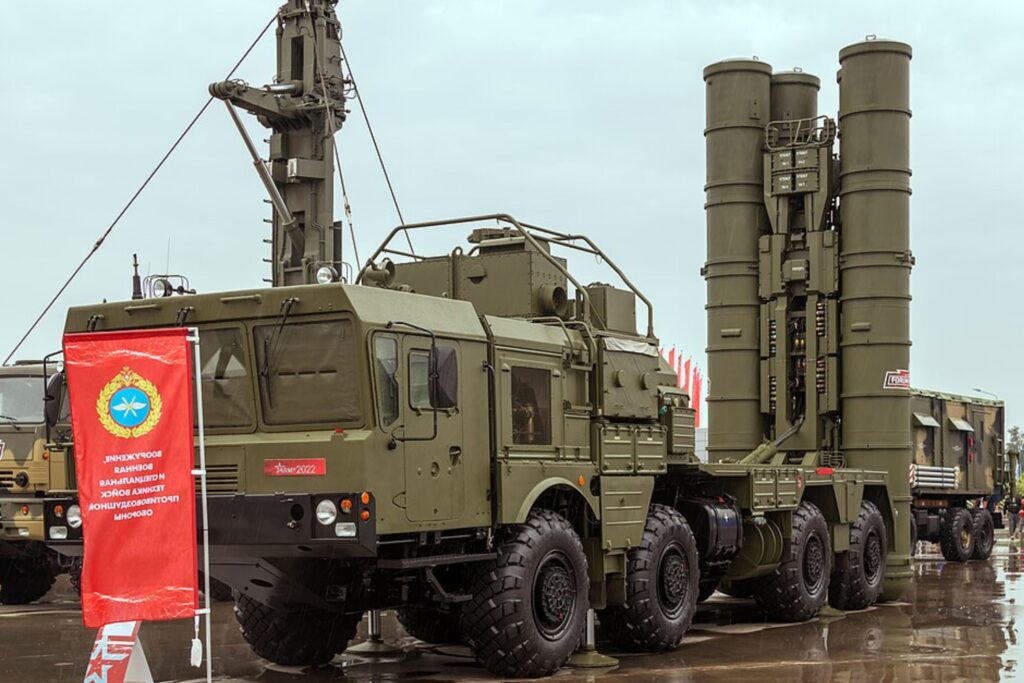
The S-400 is a Russian-made advanced air defense system designed to protect strategic areas from aerial threats. Known for its ability to engage multiple targets at varying distances and altitudes, the S-400 is a critical component of Russia’s defense strategy. It can intercept aircraft, UAVs, and even ballistic missiles, making it a formidable asset in controlling airspace over chokepoints.
The system’s deployment in regions like the Kaliningrad Oblast allows Russia to exert influence over the Baltic Sea, a crucial chokepoint for NATO countries. The S-400’s long-range capabilities make it a strategic deterrent, ensuring that adversaries think twice before approaching sensitive areas.
The Virginia-class Submarine

The Virginia-class submarine represents a cornerstone of the United States Navy’s undersea warfare capabilities. These nuclear-powered submarines are equipped with advanced stealth, intelligence, and combat systems, allowing them to operate effectively in contested waters. Their ability to launch Tomahawk cruise missiles makes them a strategic asset for projecting power at chokepoints.
With deployments in the Persian Gulf and the South China Sea, Virginia-class submarines play a crucial role in maintaining maritime dominance. Their stealth capabilities allow them to monitor and, if necessary, neutralize threats to strategic shipping lanes, ensuring the free flow of commerce.
The Type 052D Destroyer
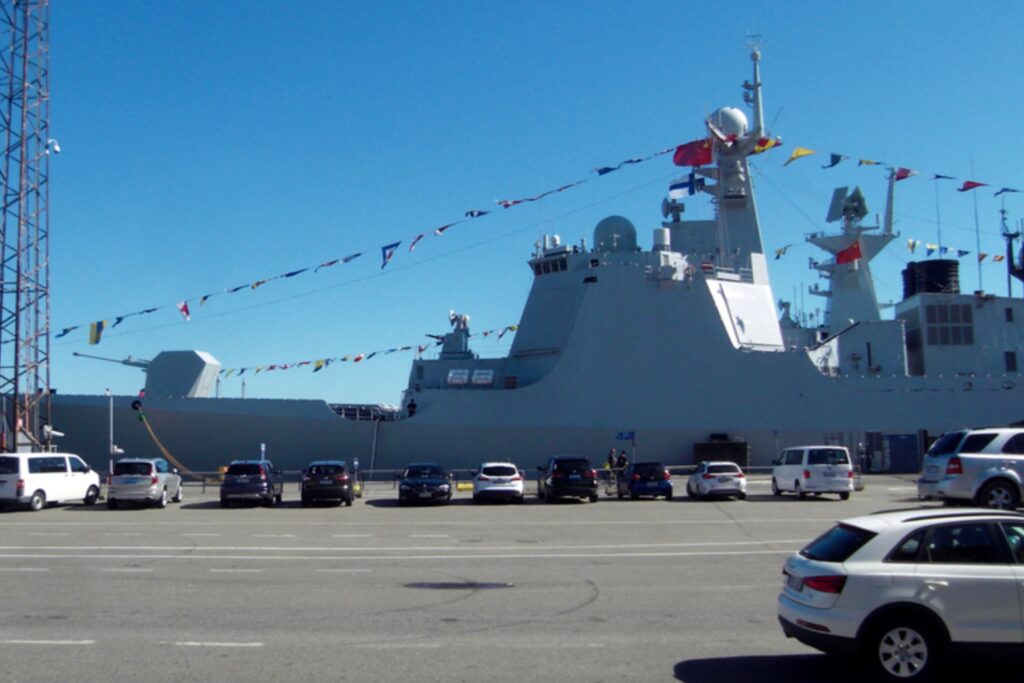
The Type 052D Destroyer is a key component of China’s naval fleet, designed to assert control over regional waters. Equipped with modern radar systems and a variety of anti-aircraft, anti-ship, and anti-submarine weapons, these destroyers are highly versatile. Their ability to engage multiple threats makes them essential for controlling chokepoints in the South China Sea.
China’s strategic deployment of the Type 052D Destroyer helps secure its claims over disputed maritime areas. These vessels bolster China’s ability to enforce its maritime sovereignty, ensuring that strategic passages like the Strait of Taiwan remain under Chinese influence.
The BrahMos Supersonic Cruise Missile
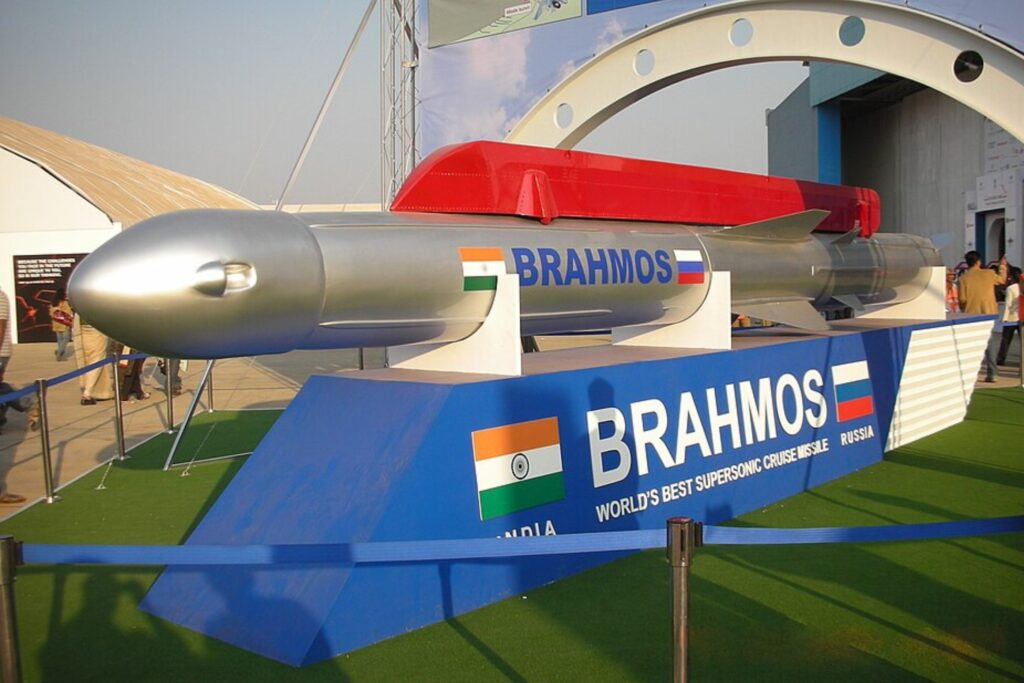
The BrahMos missile, a joint venture between India and Russia, is one of the fastest supersonic cruise missiles in the world. Its versatility allows it to be launched from land, sea, and air platforms, making it a formidable weapon for controlling chokepoints. The missile’s speed and precision make it difficult to intercept, ensuring its effectiveness against high-value targets.
India’s deployment of BrahMos missiles along its coastline enhances its ability to secure the Indian Ocean’s vital shipping lanes. In particular, the missile serves as a deterrent in the Strait of Hormuz, where it can quickly neutralize threats to maritime trade.
The F-35 Lightning II
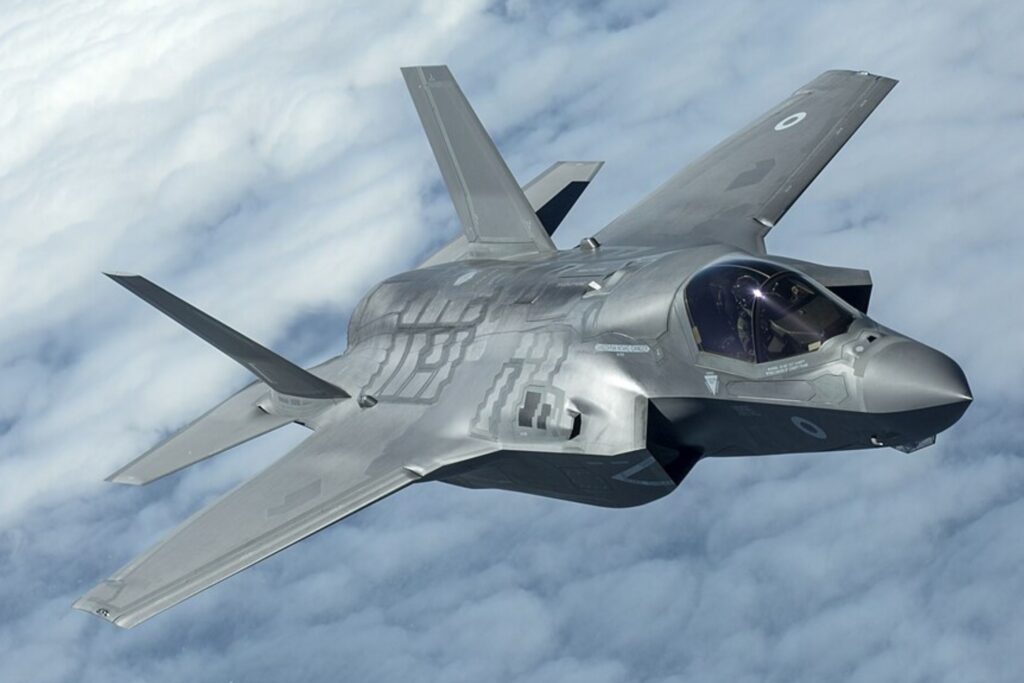
The F-35 Lightning II is a fifth-generation multirole fighter jet known for its stealth and advanced avionics. It provides air superiority and ground attack capabilities, making it an essential tool for controlling airspace over strategic chokepoints. The F-35’s ability to operate undetected allows it to gather intelligence and engage targets with precision.
Nations operating the F-35, such as the United States and allies like Japan, utilize its capabilities to secure chokepoints like the South China Sea. The aircraft’s presence ensures that adversaries cannot easily challenge airspace over vital routes, maintaining regional stability.
The MQ-9 Reaper Drone
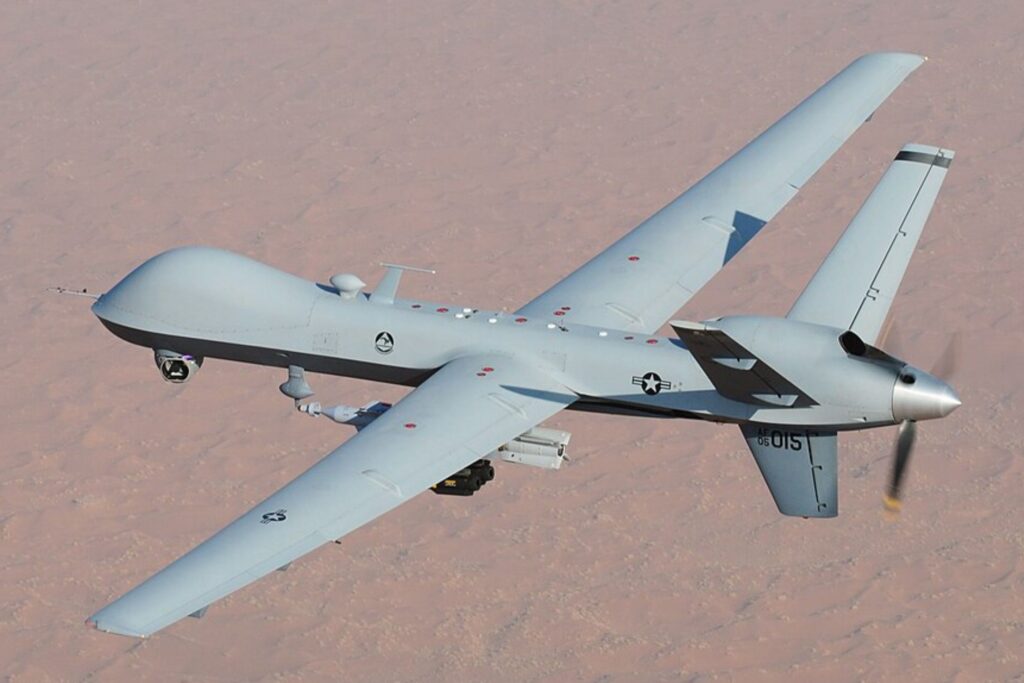
The MQ-9 Reaper drone is an unmanned aerial vehicle used predominantly by the United States for reconnaissance and precision strikes. Its long endurance and high-altitude capabilities allow it to monitor large areas, making it an invaluable asset for controlling chokepoints. Equipped with advanced sensors and precision-guided munitions, the Reaper can neutralize threats while minimizing collateral damage.
The deployment of MQ-9 Reapers in the Middle East and North Africa enables the United States to maintain situational awareness over critical passages like the Suez Canal. Their ability to provide real-time intelligence and execute targeted strikes ensures that these chokepoints remain secure.
The DF-21D Anti-Ship Ballistic Missile
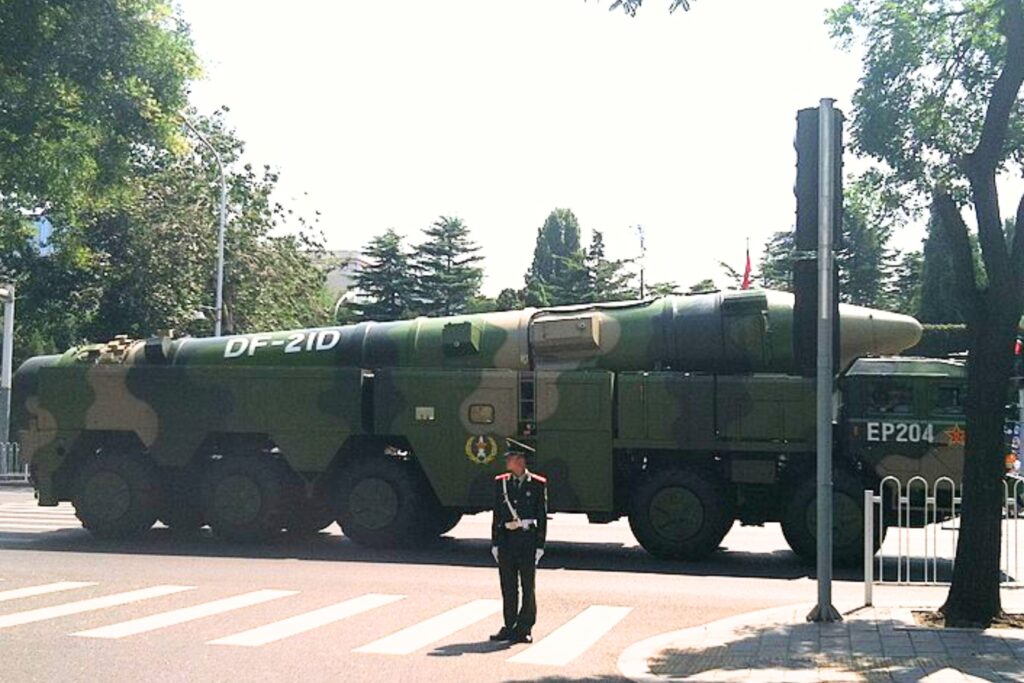
The DF-21D is a Chinese anti-ship ballistic missile designed to target and destroy aircraft carriers and other large naval vessels. Known as a “carrier killer,” this missile poses a significant threat to naval forces operating near strategic chokepoints. Its ability to travel at high speeds and adjust its trajectory mid-flight makes it a challenging target for missile defense systems.
China’s deployment of the DF-21D in areas like the South China Sea serves as a deterrent to naval forces attempting to challenge its maritime claims. The missile’s presence ensures that strategic routes remain under close Chinese observation and control.
The Kilo-class Submarine
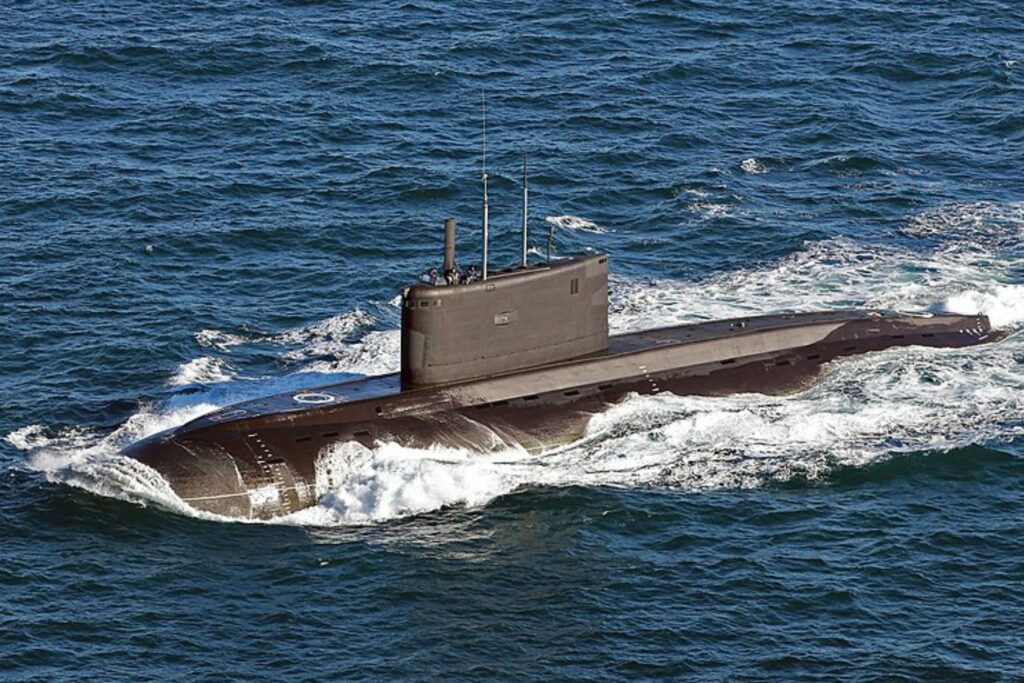
The Kilo-class submarine is a diesel-electric attack submarine originally developed by the Soviet Union, now operated by several navies worldwide. Known for its stealth and maneuverability, the Kilo-class can operate in shallow waters, making it ideal for controlling maritime chokepoints. Its torpedoes and anti-ship missiles provide a robust offensive capability.
Countries like Russia and India use Kilo-class submarines to monitor and secure strategic passages such as the Strait of Gibraltar and the Strait of Hormuz. Their ability to remain undetected allows them to gather intelligence and, if necessary, engage adversaries threatening these vital routes.
The Zumwalt-class Destroyer

The Zumwalt-class destroyer is a next-generation stealth ship operated by the United States Navy. With its advanced radar-evading design and powerful armament, it is an ideal platform for controlling maritime chokepoints. The ship’s capabilities include long-range precision strikes and anti-submarine warfare, making it a versatile asset in maintaining sea lane security.
The deployment of Zumwalt-class destroyers in areas like the Pacific Ocean enhances the United States’ ability to project power over strategic routes. Their presence ensures that chokepoints remain open and accessible, supporting global trade and military operations.