

The Artemis missions are not only reigniting our passion for lunar exploration but also introducing technologies that could significantly influence military strategies. With advancements ranging from propulsion to AI, these developments promise to reshape how military power is projected and maintained. Let’s delve into these transformative technologies.
Advanced Propulsion Systems

One of the most promising technologies emerging from the Artemis missions is advanced propulsion systems. These systems, designed to transport spacecraft more efficiently to the Moon, can also revolutionize military transportation. For instance, ion propulsion technology offers increased fuel efficiency and can enable faster deployment of military satellites, enhancing strategic positioning in space.
Moreover, advancements in propulsion technology can lead to the development of faster and more efficient delivery systems for military payloads. This can be particularly advantageous in creating rapid response capabilities, ensuring that military forces have the upper hand in both offensive and defensive operations.
Autonomous Navigation Technologies

Autonomous navigation technologies developed for lunar exploration are paving the way for advanced military applications. These systems, designed to operate in the challenging environment of the Moon, can be adapted to enhance the navigation of unmanned aerial vehicles (UAVs) and drones in hostile or remote areas.
By integrating these technologies, military operations can achieve greater precision and autonomy. This is particularly useful in reconnaissance missions, where stealth and accuracy are crucial. The ability to navigate without human intervention reduces the risk for personnel and increases operational efficiency.
Enhanced Communication Networks

The Artemis missions are setting new standards in communication technology with the development of robust networks capable of supporting lunar operations. These enhanced communication networks can be adapted for military use, ensuring secure and reliable communications even in the most challenging environments.
Such networks can provide a tactical edge by enabling seamless communication between land, sea, air, and space forces. This interconnectedness can lead to more coordinated and effective military operations, reducing the chances of miscommunication and enhancing overall mission success.
High-Resolution Imaging Sensors

High-resolution imaging sensors, critical for mapping and exploring the lunar surface, have significant potential in military applications. These sensors can be used in reconnaissance satellites to provide detailed imagery of target areas, aiding in intelligence gathering and surveillance.
The ability to capture high-quality images from space can enhance situational awareness and inform strategic decision-making. In addition, these sensors can be utilized in drone technology to improve target acquisition and monitoring capabilities.
AI-Driven Data Analysis Tools

The use of AI-driven data analysis tools in the Artemis missions is transforming how data is processed and utilized. These tools can be leveraged by the military to analyze vast amounts of data quickly and accurately, providing valuable insights for strategic planning.
AI technologies can automate the analysis of surveillance data, identify patterns, and predict potential threats, allowing military forces to respond proactively. This capability not only enhances operational effectiveness but also optimizes resource allocation by focusing on high-priority targets.
Lunar Resource Utilization Techniques
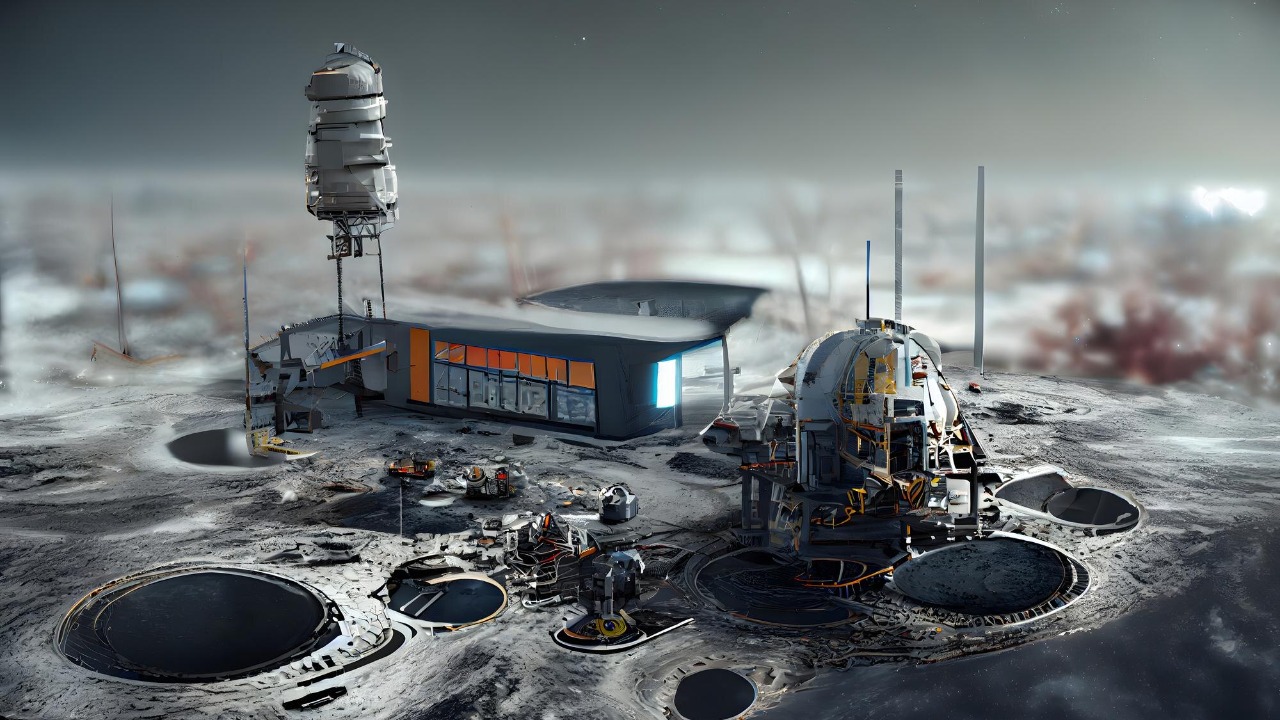
The Artemis missions are exploring ways to utilize lunar resources, a concept that holds promise for military applications on Earth. Techniques developed for extracting and processing resources on the Moon can be adapted for use in remote or resource-scarce regions on our planet.
By implementing these techniques, military operations can become more self-sufficient, reducing the reliance on long supply chains. This not only improves logistical efficiency but also enhances the sustainability of military activities in diverse environments.
Radiation Protection Innovations

Radiation protection is a critical concern for lunar missions, and the innovations developed to safeguard astronauts can benefit military personnel as well. Advanced materials and shielding techniques can be applied to protect troops operating in hazardous environments or during nuclear incidents.
These innovations can also extend to the design of military vehicles and equipment, ensuring that they remain operational in high-radiation areas. By enhancing protection measures, these technologies contribute to the safety and effectiveness of military forces.
Modular Habitation Systems

Modular habitation systems developed for lunar bases offer a new approach to building military outposts and stations. These systems, designed for quick assembly and adaptability, can be deployed in remote or hostile areas, providing secure accommodations for troops.
The flexibility of modular systems allows for rapid expansion or reconfiguration, adapting to changing mission requirements. This capability can enhance the military’s ability to establish a presence in strategic locations swiftly, maintaining operational readiness and resilience.