
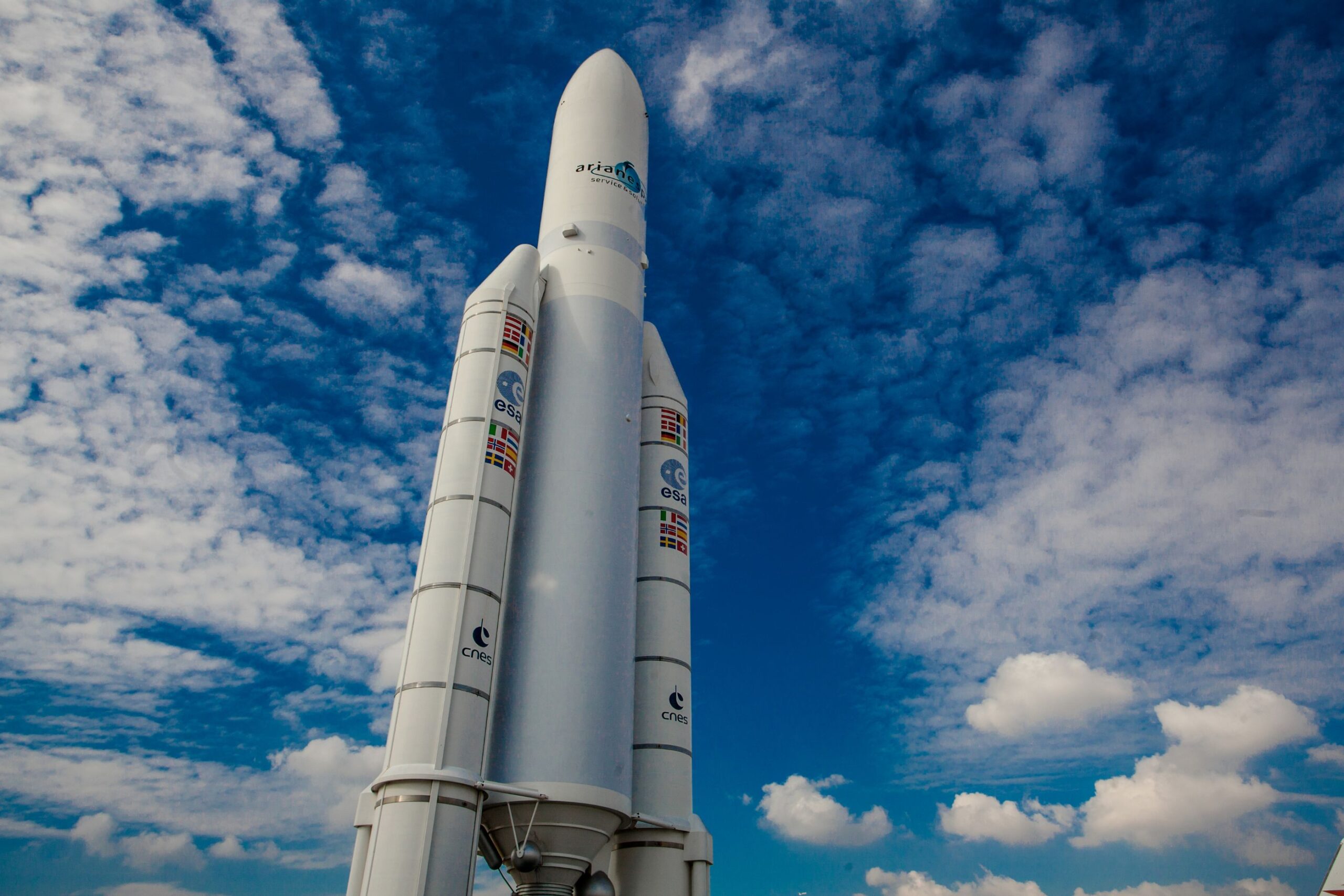
In recent years, the space industry has experienced a paradigm shift with the advent of reusable rockets. These groundbreaking launch vehicles have dramatically reduced the cost of accessing space, making it more feasible for a variety of missions. Each rocket on this list plays a crucial role in redefining launch economics and expanding our reach into space.
Falcon 9
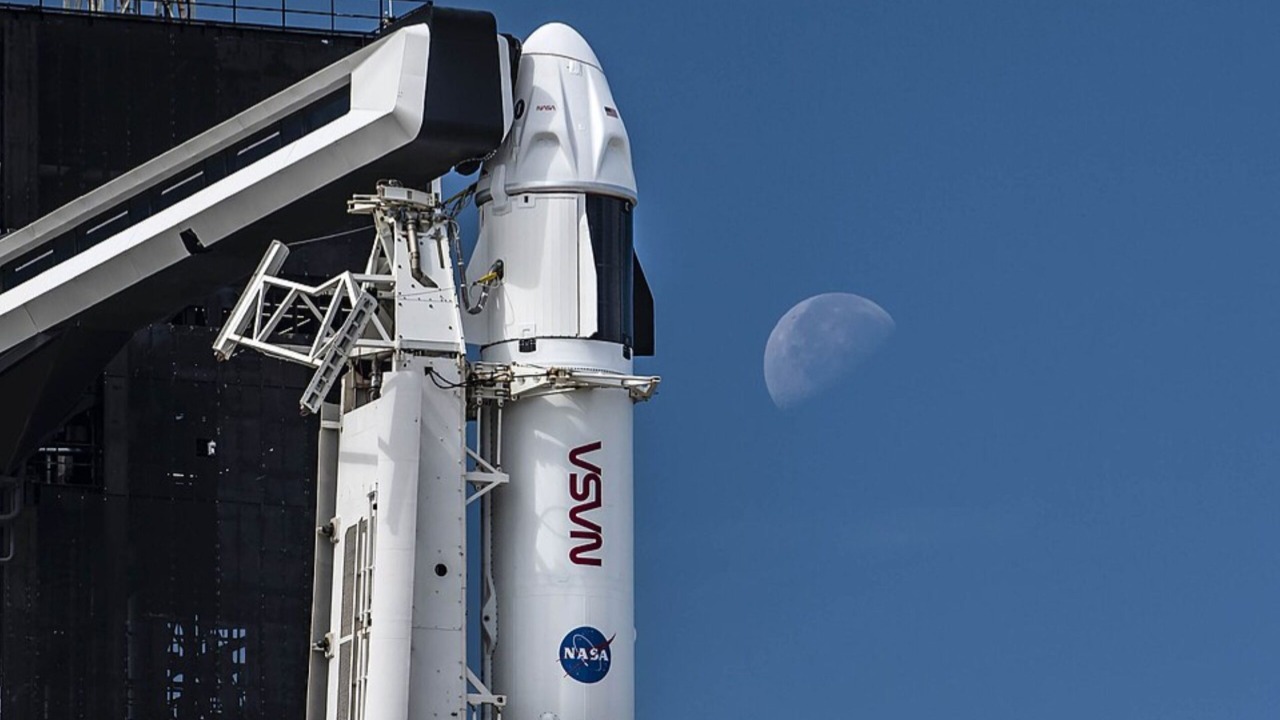
SpaceX’s Falcon 9 is a game-changer in the world of reusable rockets. First introduced in 2010, the Falcon 9’s first stage is designed to return to Earth and land vertically. This capability not only reduces launch costs but also allows for rapid turnaround and reusability. The Falcon 9 has become the workhorse for numerous missions, including satellite deployments and resupply missions to the International Space Station.
The rocket’s success can be attributed to its innovative design and the use of SpaceX’s Merlin engines. By recovering and reusing the first stage, SpaceX has significantly lowered the cost per launch, making space more accessible to both commercial and governmental entities.
Falcon Heavy
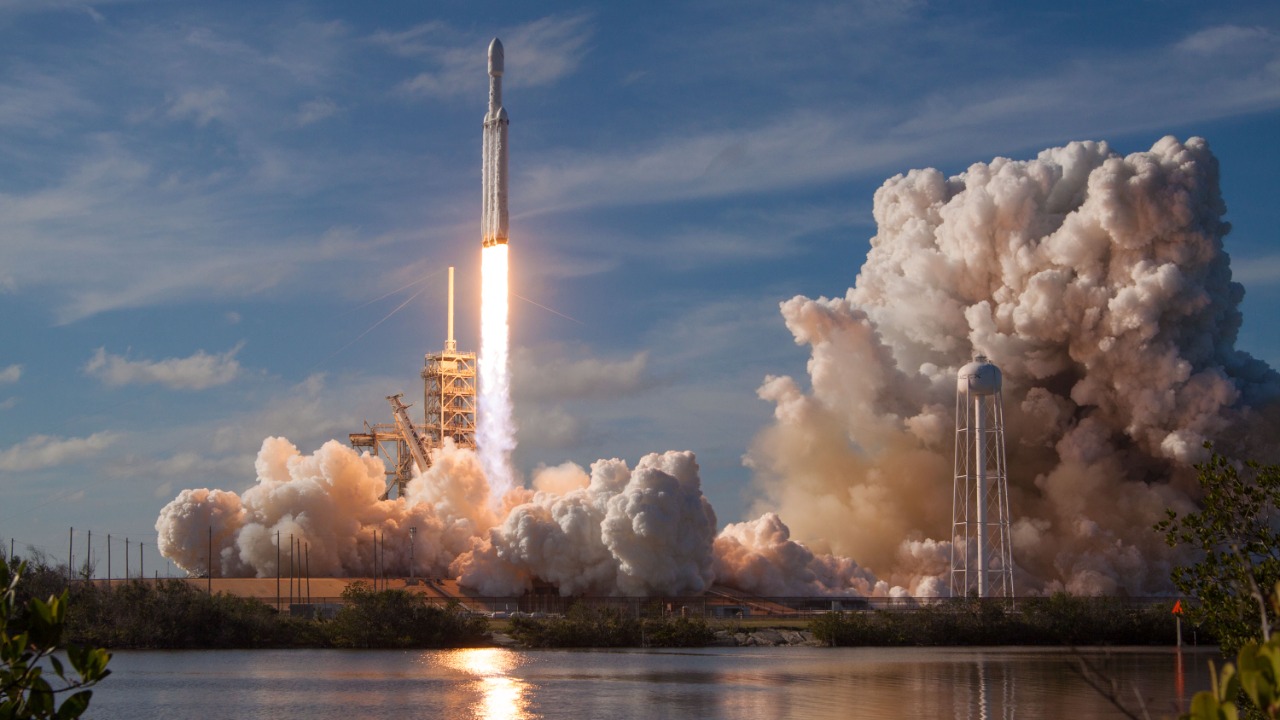
Following in the footsteps of the Falcon 9, the Falcon Heavy is another marvel from SpaceX. It incorporates three Falcon 9 first-stage cores, making it one of the most powerful rockets in operation today. The Falcon Heavy’s reusability further amplifies its economic benefits, allowing multiple cores to be recovered and reused for future missions.
Since its first flight in 2018, the Falcon Heavy has been used for a range of missions, including the launch of the Tesla Roadster into space. This capability to carry heavier payloads makes it ideal for missions that demand more power, such as interplanetary explorations and launching large satellites.
New Shepard
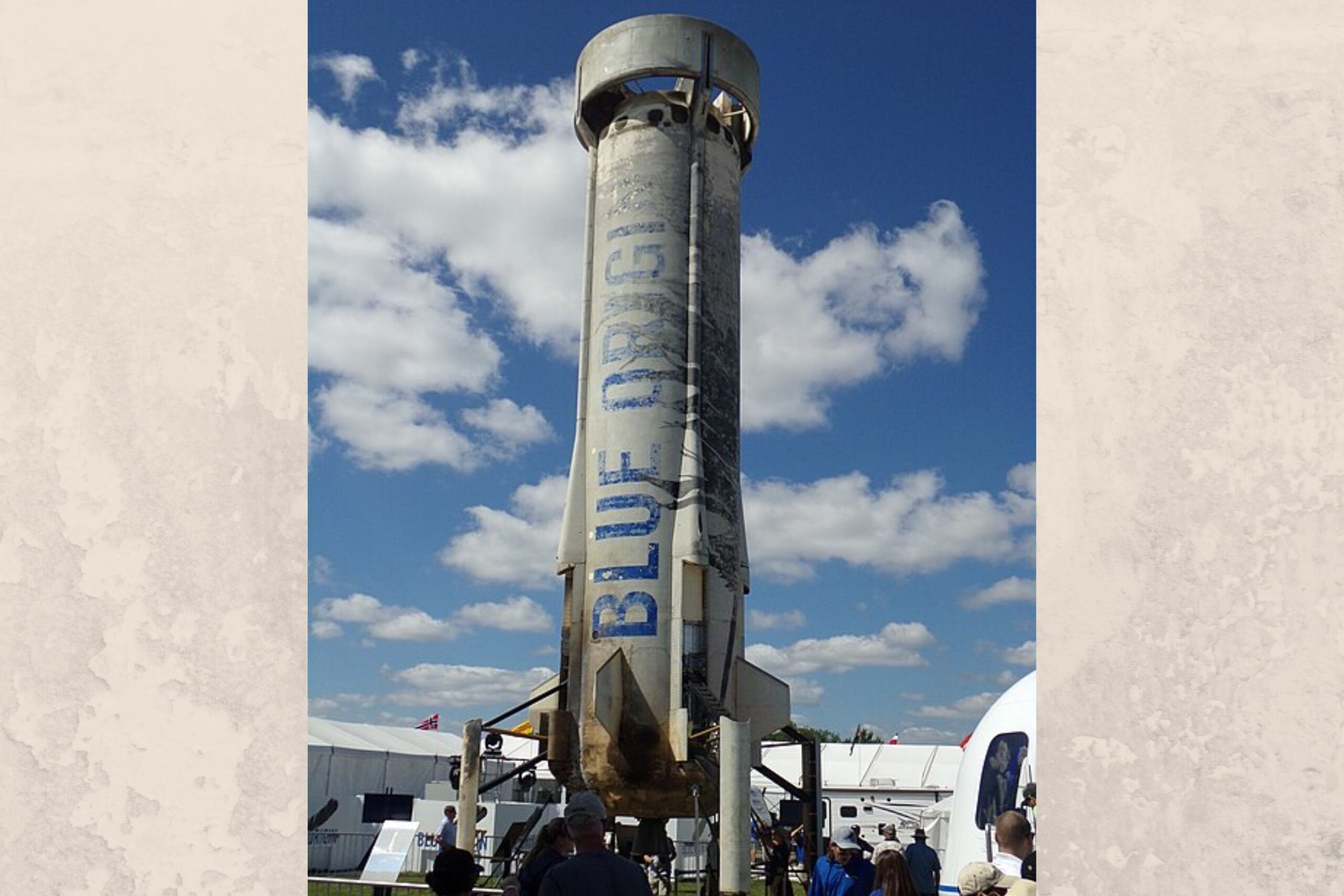
Blue Origin’s New Shepard is designed for suborbital flights, with a focus on space tourism and research missions. The rocket features a reusable booster and a crew capsule, both of which can be recovered and reused multiple times. New Shepard’s vertical landing technique resembles that of the Falcon 9, emphasizing cost efficiency and sustainability in space travel.
The New Shepard has completed numerous test flights successfully, paving the way for commercial passenger flights. This emphasis on reusability and safety positions it as a leader in the burgeoning space tourism industry, offering a glimpse into the future of accessible space travel.
New Glenn
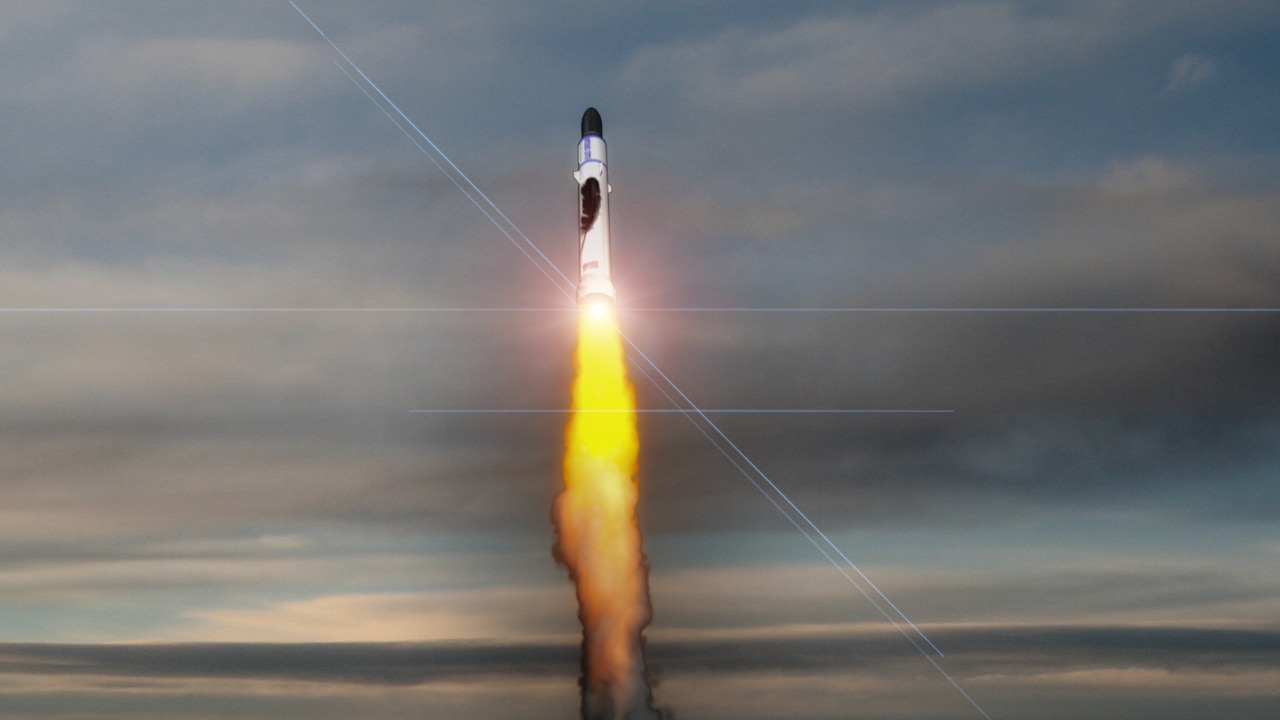
Another ambitious project from Blue Origin, the New Glenn aims to cater to heavy-lift missions. Scheduled for its first flight in the near future, New Glenn’s reusable first stage is designed to land on a ship at sea, further reducing costs and turnaround times. This rocket is expected to play a significant role in commercial satellite launches and deep space missions.
With its large payload capacity and focus on reusability, New Glenn is poised to compete with other heavy-lift rockets in the market. Its introduction will likely drive further innovation and cost reductions in the space industry.
Electron
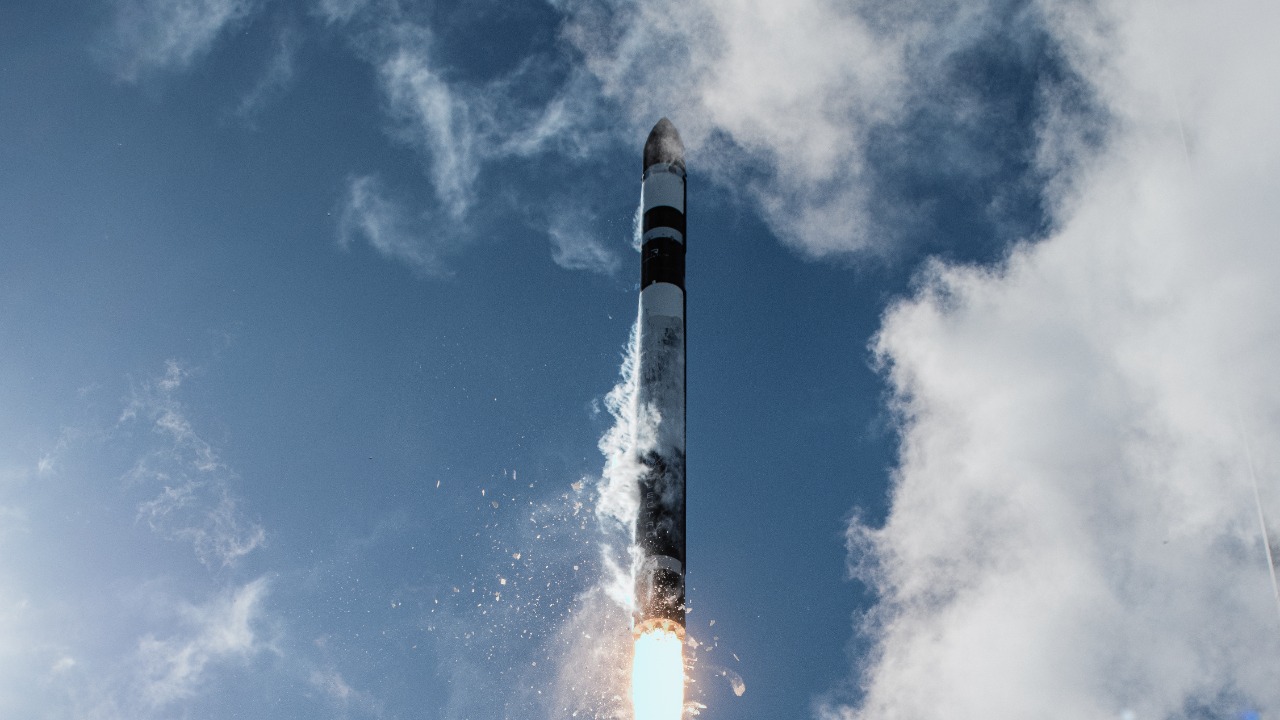
Rocket Lab’s Electron rocket is a smaller, more agile vehicle designed for launching small satellites into orbit. While initially conceived as an expendable rocket, Rocket Lab has been developing reusability technologies to recover and reuse its first stage. This initiative aims to further reduce costs and enhance the frequency of launches.
The Electron’s adaptability and cost-effectiveness make it a popular choice for small satellite launches. As Rocket Lab continues to refine its reusability techniques, the Electron is expected to become even more competitive in the growing small satellite market.
Starship
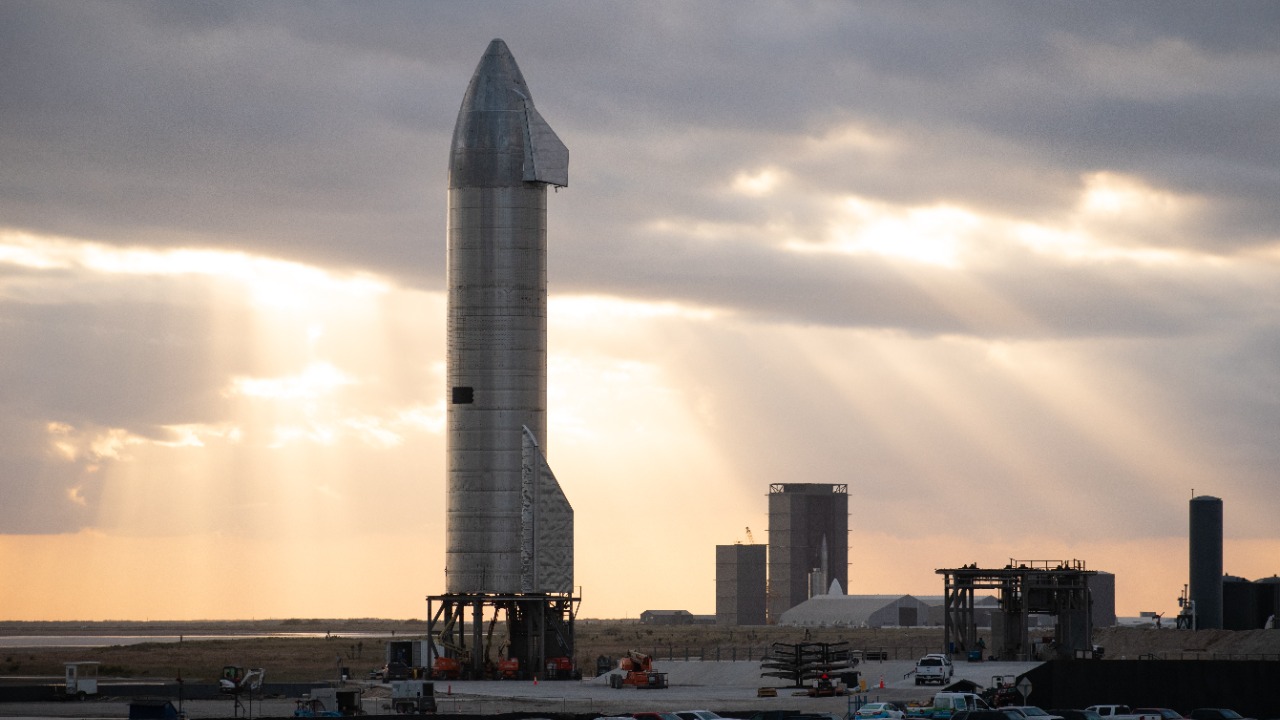
SpaceX’s Starship is an ambitious, fully reusable spacecraft designed for missions to Mars and beyond. Currently in development, Starship aims to carry both crew and cargo on long-duration spaceflights. The goal is to make space travel more accessible and sustainable, ultimately enabling human colonization of other planets.
Starship’s reusability will drastically reduce the cost of interplanetary travel, making it feasible to conduct regular missions to the Moon and Mars. Its development is a testament to SpaceX’s commitment to pushing the boundaries of what’s possible in space exploration.
Ariane 6
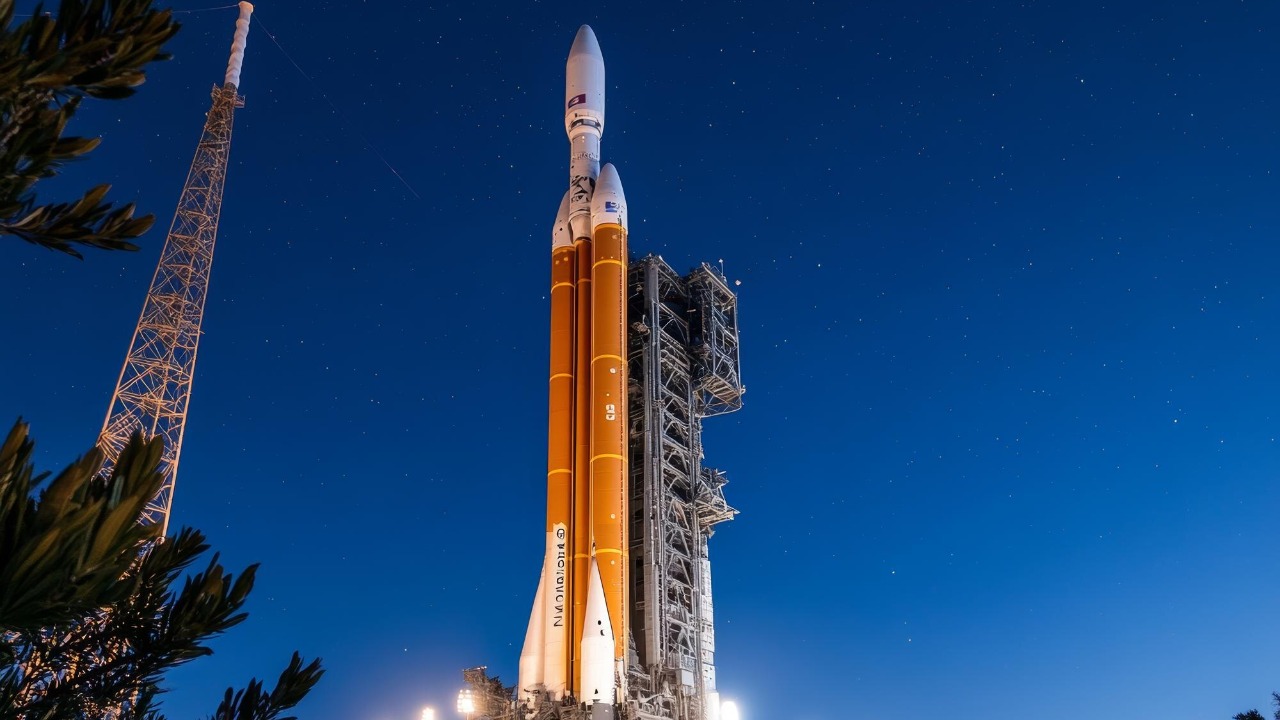
Developed by the European Space Agency and ArianeGroup, the Ariane 6 is set to replace the Ariane 5, offering improved cost-effectiveness and flexibility. While not fully reusable, the rocket incorporates modular design elements that reduce manufacturing and operational costs.
The Ariane 6 is expected to serve a variety of mission profiles, from launching satellites to interplanetary exploration. Its competitive pricing and adaptability position it as a strong contender in the commercial space launch market.
Vulcan Centaur
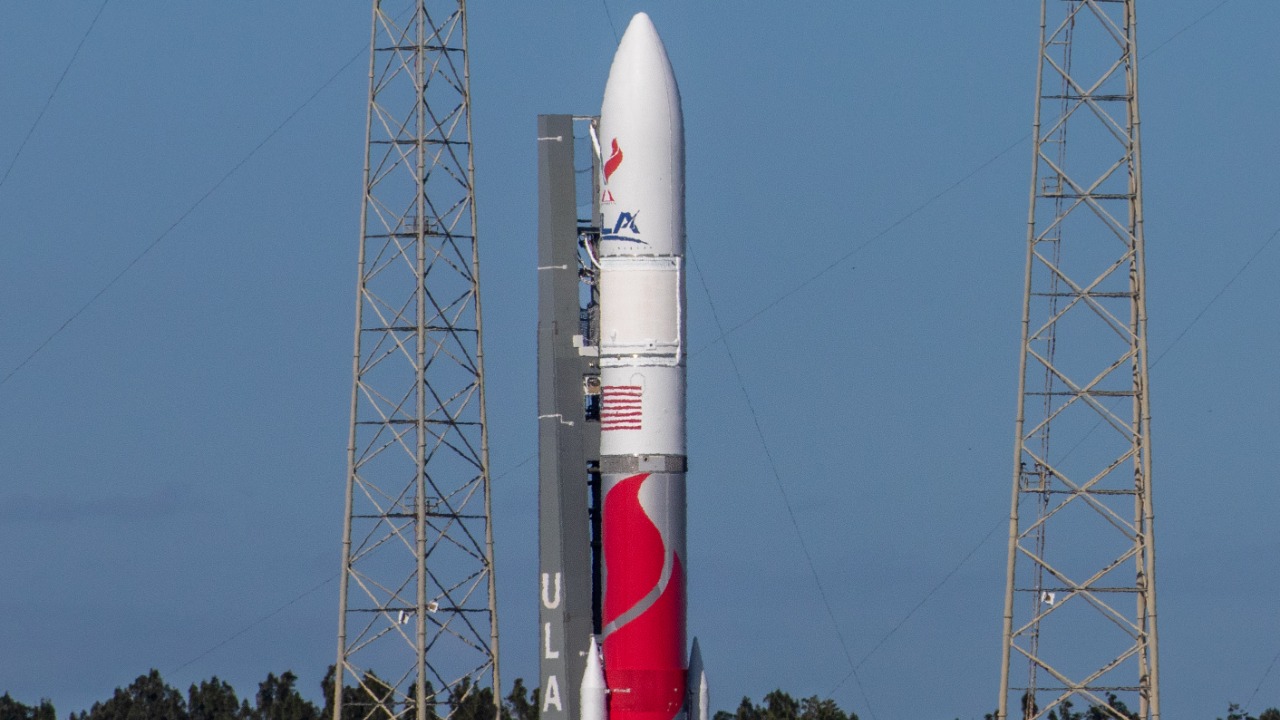
United Launch Alliance’s Vulcan Centaur is a next-generation rocket designed to replace the Atlas V and Delta IV rockets. Partially reusable, the Vulcan Centaur incorporates advanced technologies to enhance performance and reduce costs.
The rocket’s first stage is designed to be expendable, but the engines can be recovered and reused, contributing to cost savings. With its focus on reliability and affordability, the Vulcan Centaur is poised to support a wide range of missions, from national security launches to commercial satellite deployments.