
Naval warfare has been shaped by technological advancements and strategic innovations over the centuries. Some warships have played pivotal roles in altering the course of history, introducing new paradigms in naval combat. Here’s a look at eight such vessels that have left an indelible mark on maritime warfare.
USS Monitor
Public Domain
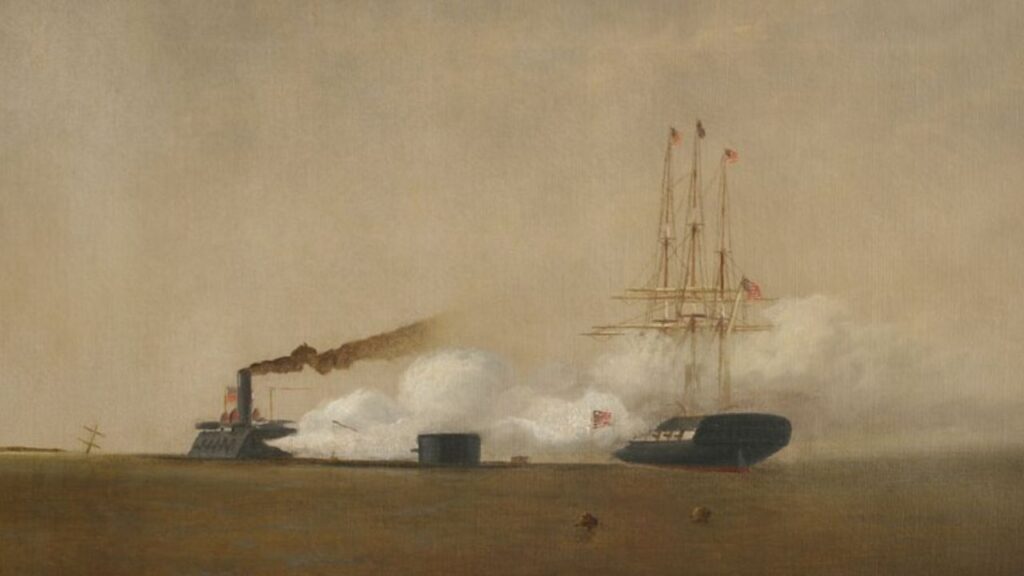
The USS Monitor made history as the first ironclad warship commissioned by the United States Navy during the Civil War. Launched in 1862, it featured a revolutionary design with a rotating turret, allowing its guns to fire in any direction. This innovation marked a departure from traditional naval designs and set the stage for modern warship construction.
Its most famous engagement was the Battle of Hampton Roads, where the Monitor faced off against the Confederate ironclad CSS Virginia. Although the battle ended in a stalemate, it demonstrated the effectiveness of ironclad ships and signaled the end of wooden warship dominance.
HMS Dreadnought
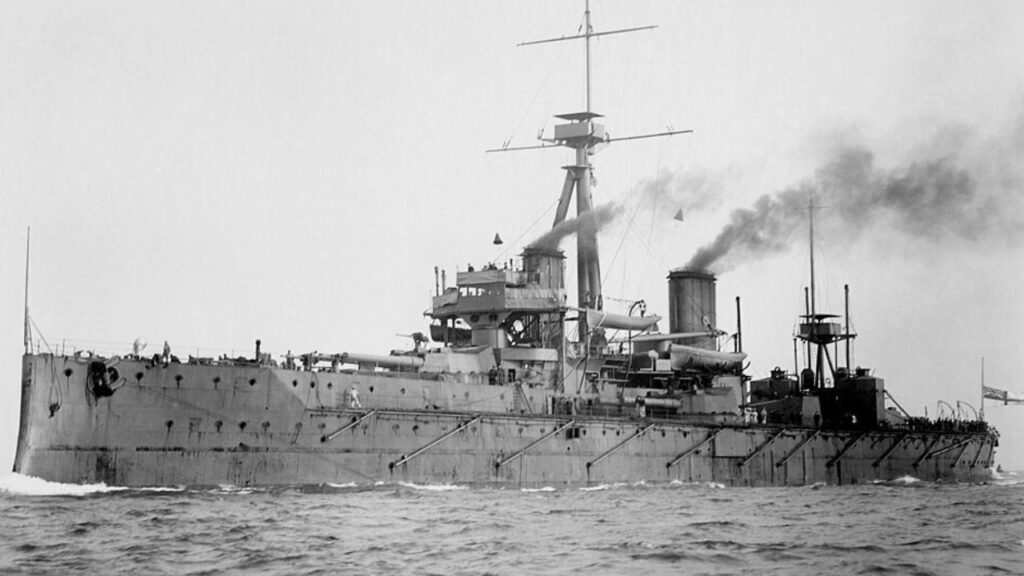
Launched in 1906, HMS Dreadnought was a game-changer in naval warfare. It was the first battleship to feature an “all-big-gun” armament scheme, with ten 12-inch guns, and was powered by steam turbines, making it faster than its predecessors. This design rendered all previous battleships obsolete and sparked a naval arms race between global powers.
The term “dreadnought” became synonymous with modern battleships, and the ship’s influence extended beyond its technical specifications. It underscored the importance of speed and firepower, reshaping naval strategy leading up to World War I.
Bismarck
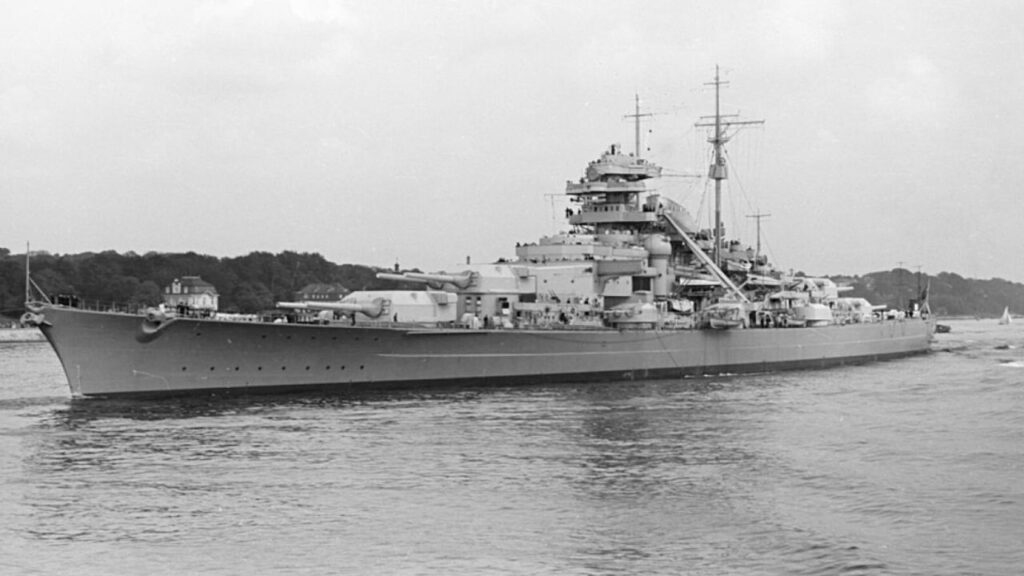
The German battleship Bismarck, launched in 1939, was one of the largest and most powerful warships of its time. With its formidable armor and armament, it posed a significant threat to Allied naval forces during World War II. The Bismarck’s strengths included its eight 15-inch guns and robust defensive capabilities.
The Bismarck gained notoriety for sinking HMS Hood, a British battlecruiser, in the Battle of the Denmark Strait. This engagement highlighted the destructive potential of modern battleships and demonstrated the strategic importance of controlling the seas during wartime.
USS Enterprise (CV-6)
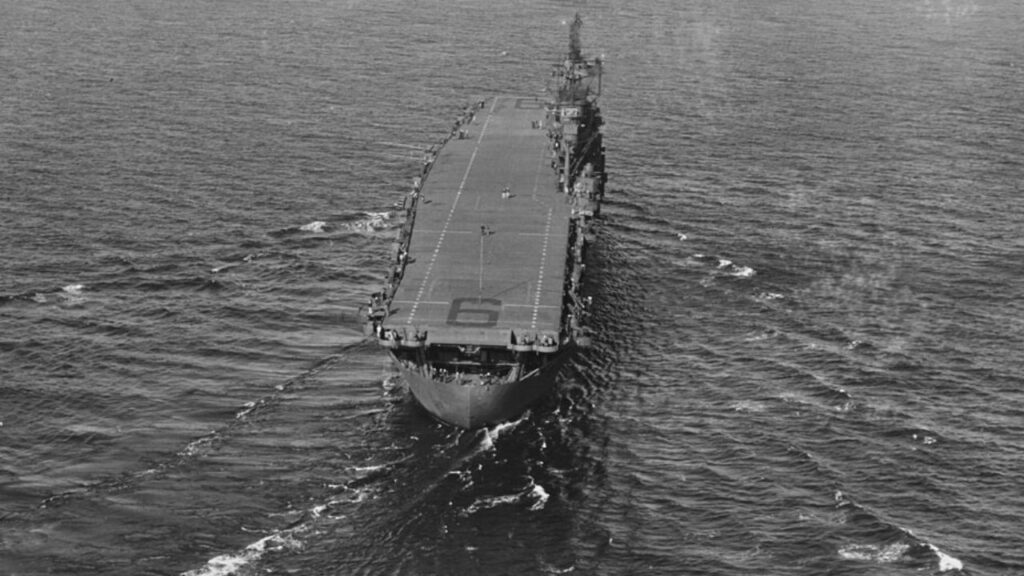
The USS Enterprise, an aircraft carrier commissioned in 1938, played a crucial role in the Pacific Theater during World War II. Known as the “Big E,” it participated in numerous pivotal battles, including Midway, Guadalcanal, and the Philippine Sea. Enterprise’s ability to launch air strikes offered a strategic advantage, transforming naval engagements.
As one of the most decorated ships in U.S. naval history, the Enterprise showcased the shifting focus from battleships to aircraft carriers in modern naval warfare. Its contributions to the Allied victory in the Pacific underscored the aircraft carrier’s role as the centerpiece of naval strategy.
HMS Ark Royal
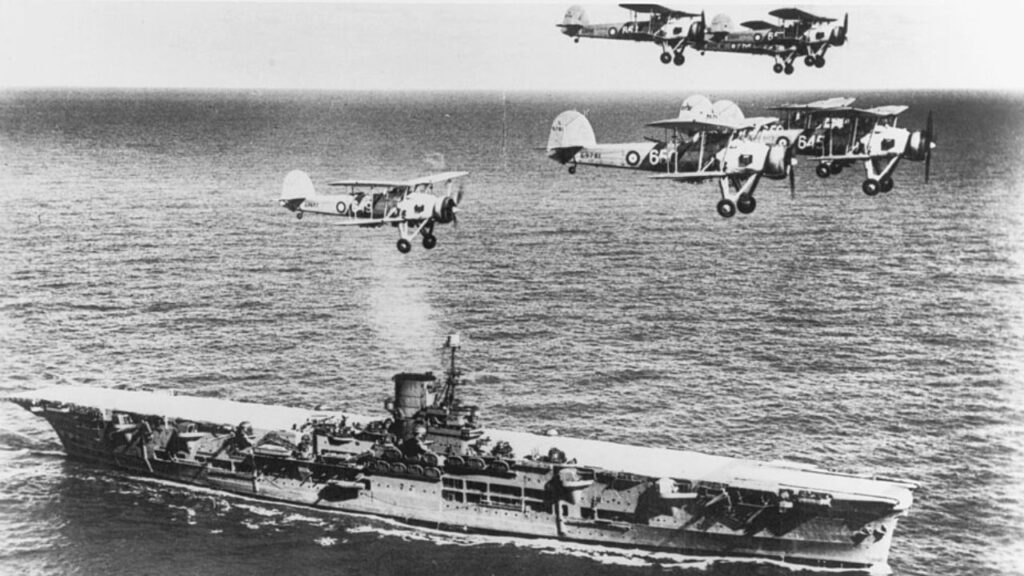
The HMS Ark Royal, launched in 1937, was a British aircraft carrier that played a vital role during World War II. Known for its innovative design, the Ark Royal featured a fully integrated flight deck and hangar, setting a new standard for carrier operations. It was instrumental in operations such as the sinking of the German battleship Bismarck.
The Ark Royal’s operational flexibility and capability to project air power at sea highlighted the strategic importance of aircraft carriers in naval warfare. Its service illustrated the shift from traditional battleship engagements to air-dominated naval strategies.
Kirov-class Battlecruiser
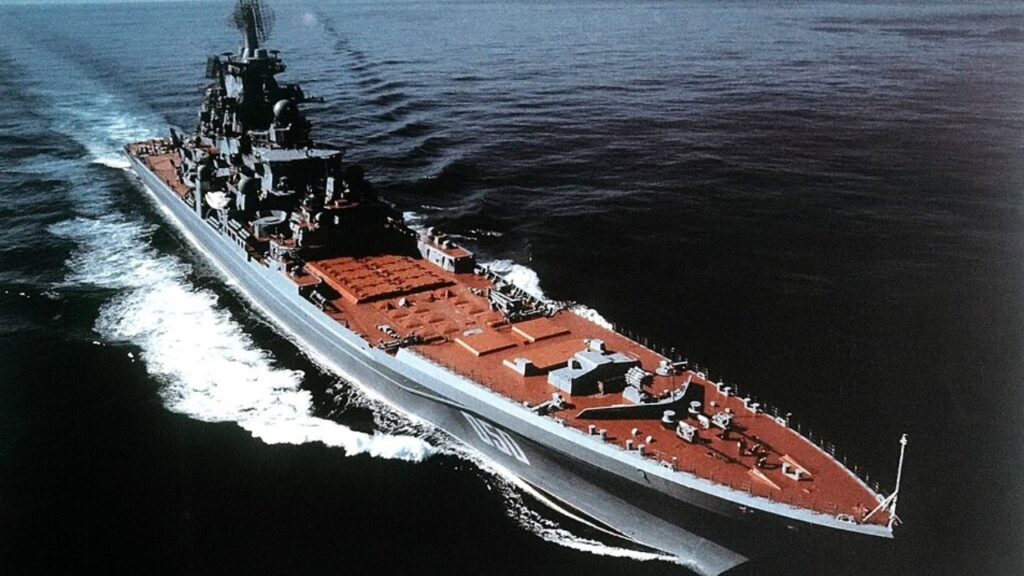
The Soviet Kirov-class battlecruisers, introduced in the 1980s, represented a significant advancement in naval technology during the Cold War. These nuclear-powered ships combined the firepower of a battleship with the speed and maneuverability of a cruiser. Their armament included anti-ship and surface-to-air missiles, making them formidable opponents.
The Kirov-class ships demonstrated the potential of modern naval firepower and the strategic value of combining different weapon systems on a single platform. They emphasized the importance of versatility and adaptability in naval design, influencing future warship development.
USS Zumwalt (DDG-1000)
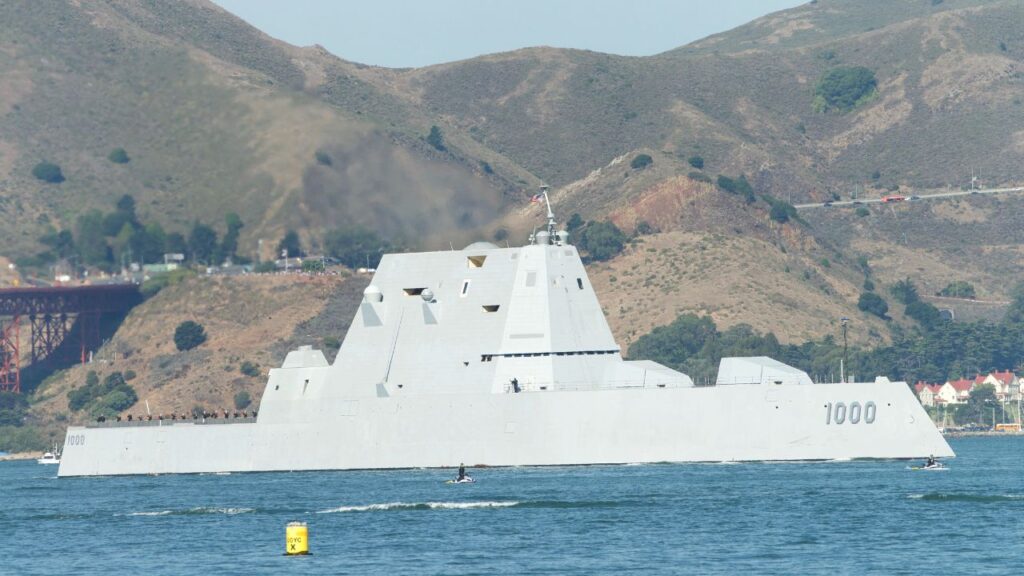
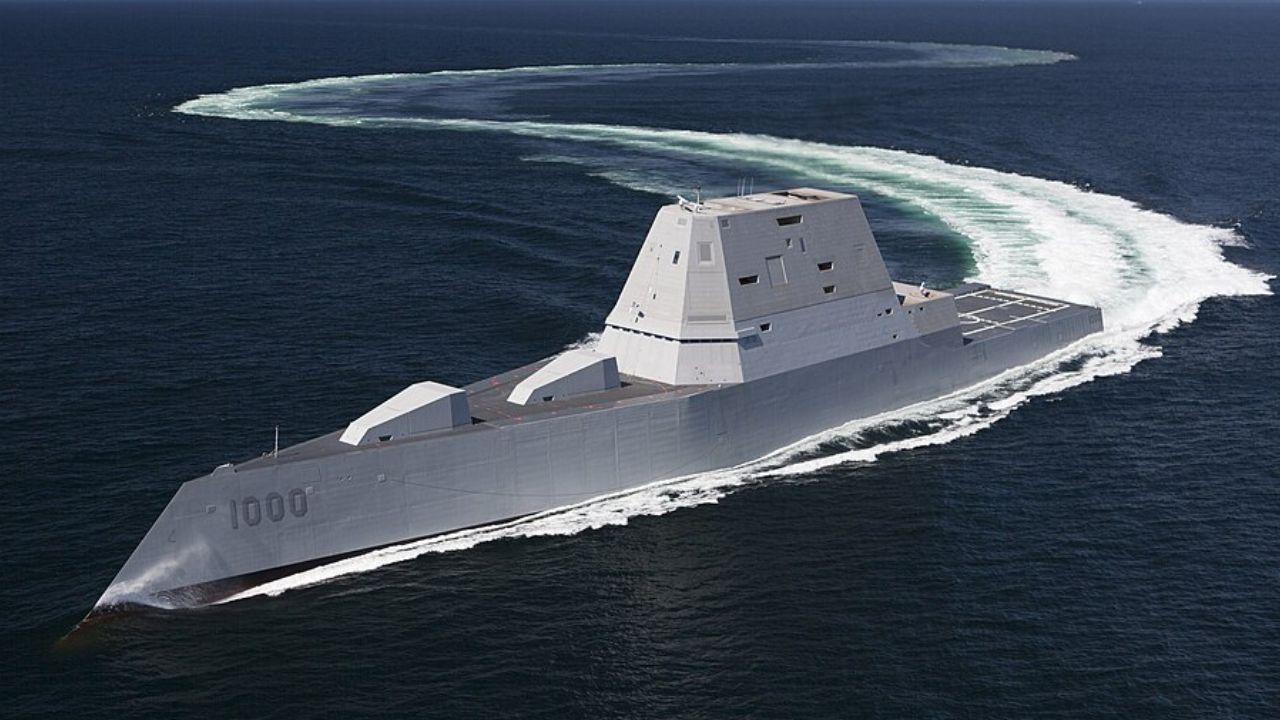
The USS Zumwalt, commissioned in 2016, is the lead ship of the Zumwalt-class destroyers, featuring cutting-edge stealth technology and advanced weaponry. Its distinctive angular design reduces its radar cross-section, making it less detectable by enemy forces. The Zumwalt is equipped with advanced missile systems and a state-of-the-art integrated power system.
This destroyer represents a leap forward in naval technology, focusing on multi-mission capabilities and network-centric warfare. The Zumwalt’s innovations reflect the evolving nature of naval combat, emphasizing the importance of stealth, flexibility, and advanced electronics.
Admiral Kuznetsov-class Aircraft Carrier
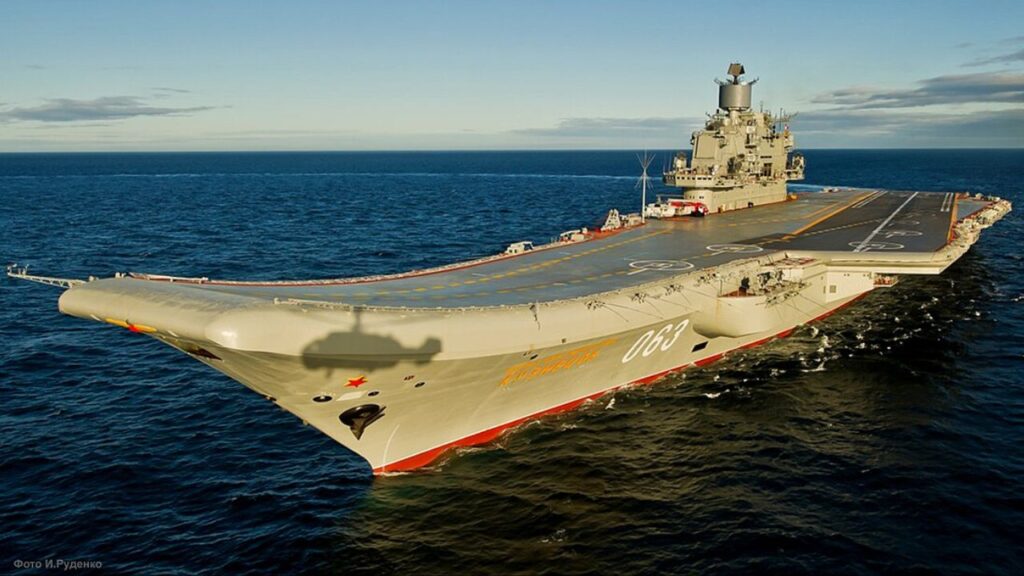
The Admiral Kuznetsov-class aircraft carrier, serving as the flagship of the Russian Navy, highlights the global shift towards carrier-centric naval power. Launched in 1985, it features a ski-jump flight deck and is capable of accommodating a variety of aircraft, including fixed-wing fighters and helicopters.
This class of carriers underscores the strategic importance of air power projection and sea control capabilities. Despite challenges in maintenance and modernization, the Admiral Kuznetsov remains a symbol of Russia’s naval ambitions and the enduring significance of carriers in modern naval fleets.