
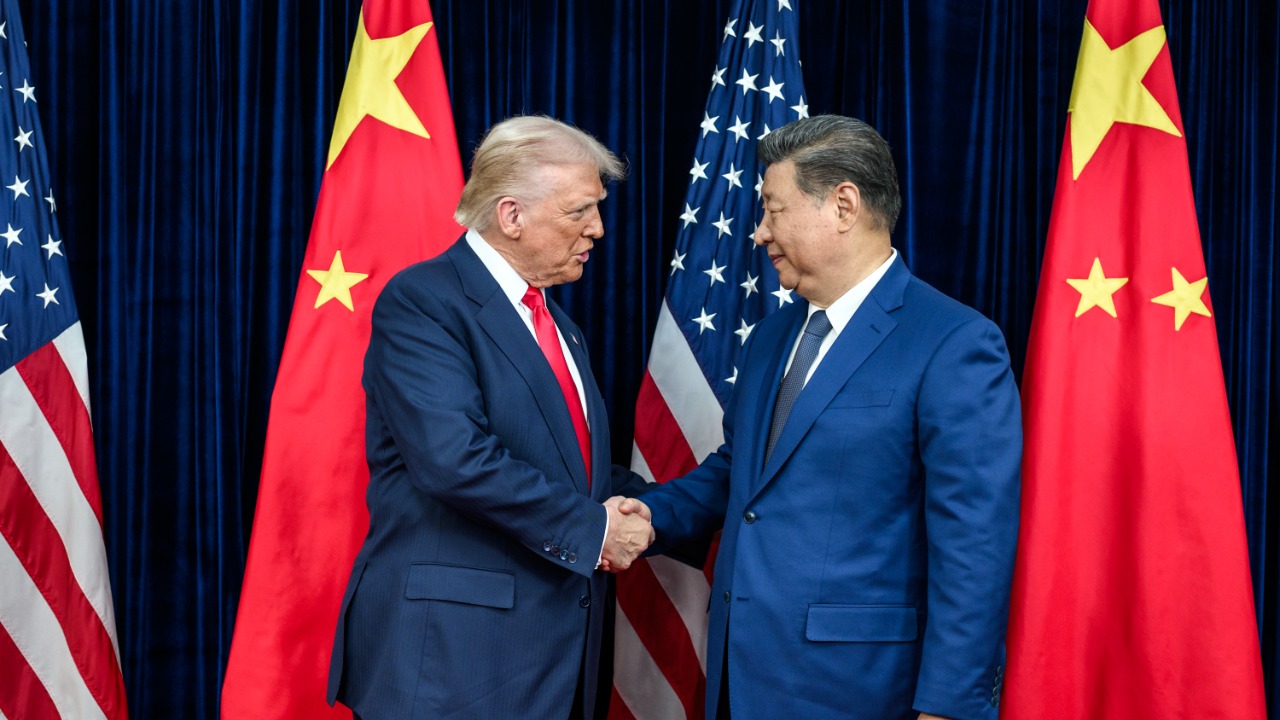
The Trump administration has quietly frozen a slate of technology restrictions on Beijing just weeks before a planned summit with Xi Jinping, signaling a tactical pause in a confrontation that has defined recent economic ties. The move temporarily relaxes pressure on Chinese access to advanced chips and telecom hardware, even as both governments prepare for high-stakes talks over trade, security, and global supply chains. The decision has already triggered a sharp political fight in Washington, where critics argue that easing pressure now hands leverage to Xi at the very moment the United States is seeking concessions.
What exactly did Trump put on hold
The Trump administration has paused several major tech security measures that had been designed to tighten controls on exports to Beijing and curb Chinese access to sensitive hardware. According to detailed accounts of the policy shift, officials have stepped back from implementing rules that would have further limited sales of advanced semiconductors and related equipment to buyers in China, affecting companies across the artificial intelligence and data center sectors. Reports describe how the Trump administration had spent much of the previous year drafting measures that targeted Chinese firms in telecommunications and AI infrastructure, only to place them on hold as preparations for the Xi meeting advanced.
Several sources describe the freeze as a suspension of key technology sanctions rather than a full reversal, with officials stressing that the legal authorities remain in place if talks with Xi falter. One analysis notes that the United States has effectively paused enforcement of planned limits on exports tied to telecommunications and AI infrastructure, a category that includes high-performance chips and networking gear that underpin cloud services and 5G networks. Another account explains that the Trump administration signaled it would permit additional sales in the AI chip ecosystem while it reviewed semiconductor-related enforcement, suggesting a broader reassessment of how far to push export controls at a moment of diplomatic outreach.
AI chips, Nvidia, and the export control rethink
The most visible sign of the policy shift involves advanced AI chips, where Washington had previously moved to restrict cutting-edge hardware destined for Chinese data centers. Multiple reports state that the administration has given the green light for Nvidia to export its second-most-advanced AI chips to Chinese buyers, easing earlier constraints that had targeted the company’s high-end accelerators. In parallel, officials postponed a rule that would have tightened restrictions on a wider range of AI components, a delay that has drawn scrutiny from lawmakers who see AI hardware as central to strategic competition with Beijing.
Another strand of reporting highlights how this pause fits into a broader recalibration of export control risks in the AI chip ecosystem. Legal analysts describe how, directly after earlier enforcement actions, the Trump administration signaled that the United States would allow subsequent sales while it refined guidance for semiconductor-related enforcement, effectively creating a window in which companies could resume shipments under clearer but more flexible rules. Social media coverage focused on Asia adds that the U.S. Trump administration is pausing major tech restrictions on China, including Nvidia’s advanced H20 AI products, reinforcing the perception that AI hardware has become a bargaining chip in the lead-up to the summit.
Domestic backlash and Democratic pressure
The decision to shelve these measures has ignited a fierce reaction among Democrats, who accuse the Trump administration of weakening national security safeguards for short-term diplomatic gain. One detailed account describes how party leaders seized on the pause in tech restrictions as evidence that the White House was prioritizing a photo opportunity with Xi over long-term efforts to limit Beijing’s access to sensitive technologies. Critics have zeroed in on the approval for Nvidia exports and the delayed rulemaking, arguing that these steps risk accelerating Chinese advances in AI and telecommunications at a time when U.S. agencies are warning about espionage and cyber threats.
According to reporting that tracks the reaction on Capitol Hill, Democrats Take Aim at Trump for Shelving China Tech Measures and are preparing hearings that would force senior officials to explain why enforcement has been relaxed. Lawmakers have pointed to the pattern in which the Trump administration first drafted aggressive measures, then quietly paused them as summit planning intensified, as a sign that economic security is being traded away. Some have also raised concerns about the ouster of key U.S. officials involved in technology policy, suggesting that internal resistance to the pause may have been sidelined just as the White House sought to clear obstacles ahead of the Xi meeting.
Strategic calculus before the Trump–Xi summit
Supporters of the pause argue that the timing is deliberate and that easing pressure on tech exports can help create space for broader negotiations with Xi Jinping. One report on the diplomatic choreography notes that the United States suspends key tech restrictions on China ahead of the Trump-Xi summit in April, to open a channel for strategic collaboration in areas such as trade balance and supply chain resilience. Analysts who track the relationship say that by shelving some measures now, the Trump administration hopes to secure concessions on issues like market access, intellectual property enforcement, and transparency around state subsidies.
Regional observers have framed the move as part of a tentative trade thaw, with several accounts describing how the United States pauses China tech curbs ahead of the Trump-Xi meet in order to stabilize ties after years of escalating tariffs and sanctions. Economic coverage points out that the halt in sanctions affects sectors that are critical to global tech manufacturing, including telecommunications networks and AI infrastructure, which in turn shape investment decisions from Silicon Valley to Shenzhen. Whether this tactical pause becomes a lasting reset will depend on what Trump and Xi can extract from each other at the summit, and on how long Washington is willing to keep these powerful tools of pressure in reserve if Beijing offers only modest steps in return.