
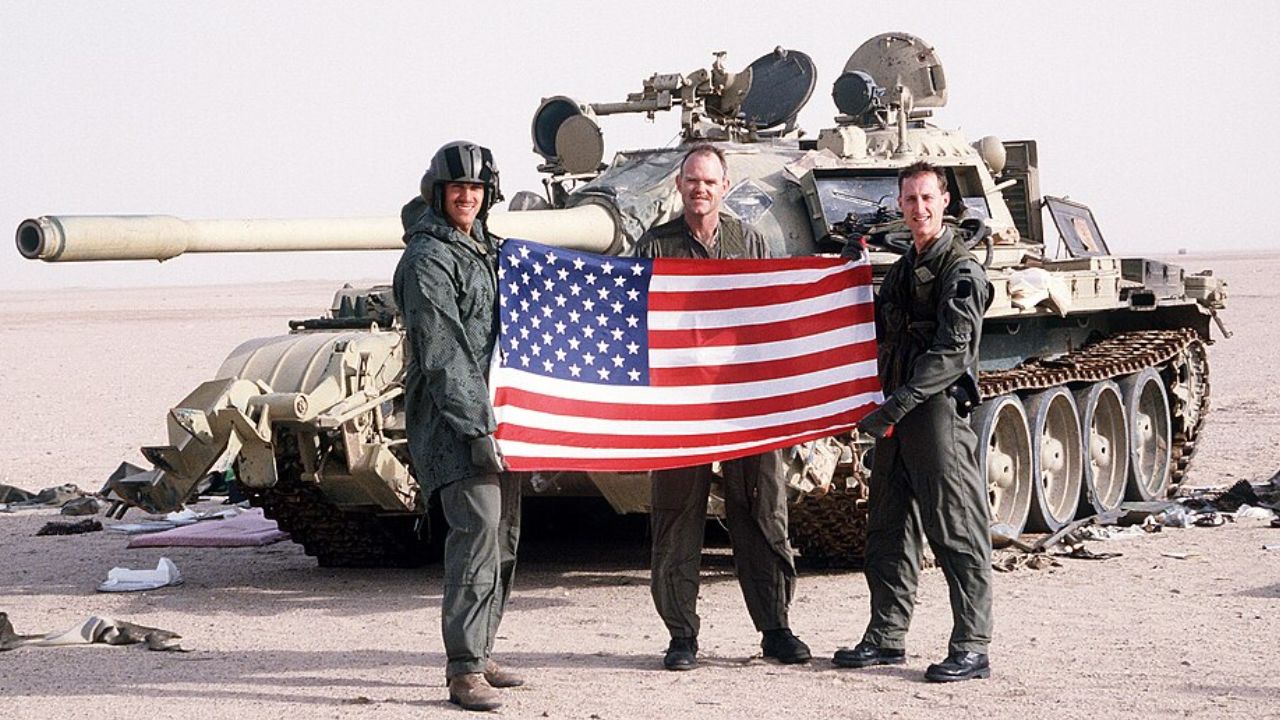
Throughout military history, certain tanks have stood out not for their complexity, but for their simplicity and reliability in battle. With straightforward designs and robust engineering, these tanks have often outperformed more technologically advanced counterparts. This list explores nine such tanks, highlighting their role in pivotal conflicts and their enduring legacy in military strategy.
T-34

The Soviet T-34 is often credited with being one of the most effective and influential tanks of World War II. Its design prioritized mobility, armor, and firepower, striking a balance that allowed it to dominate the battlefield. With a simple yet robust V-2 diesel engine and wide tracks, it could traverse a variety of terrains, a critical advantage on the Eastern Front.
Despite its simplicity, the T-34’s sloped armor provided enhanced protection without adding excessive weight. This tank’s mass production capability ensured that the Soviet Union could replace losses quickly, overwhelming German forces with sheer numbers and reliability.
Sherman M4

The American Sherman M4 was a mainstay of Allied forces during World War II. Known for its mechanical reliability and ease of production, it served in numerous theaters. The Sherman was equipped with a 75 mm gun, which provided adequate firepower against most Axis armor, although it struggled against heavier opponents like the German Tiger.
The Sherman’s design allowed for easy modifications and upgrades, accommodating various battlefield roles from armored recovery vehicles to self-propelled artillery. Its straightforward mechanics made maintenance simpler, a vital feature during extended campaigns.
Panzer IV

Germany’s Panzer IV was a versatile tank that saw extensive use throughout World War II. Initially designed as an infantry support vehicle, its adaptable chassis allowed for numerous upgrades in armament and armor. The Panzer IV became the backbone of Germany’s armored forces, providing a balance between firepower and mobility.
The tank’s straightforward mechanical design enabled efficient production and maintenance, which was crucial as Germany faced increasing material shortages. Its ability to absorb new technologies and adapt to changing battlefield conditions made it a stalwart of the German armored divisions.
Centurion

The British Centurion tank, introduced at the end of World War II, set new standards for post-war tank design. Its emphasis on a powerful 105 mm gun, robust armor, and reliable engine made it a formidable opponent in various conflicts, including the Korean War and the Arab-Israeli wars.
The Centurion’s modular design allowed for continuous upgrades, keeping it relevant across decades. Its simple yet effective engineering facilitated easy repairs and modifications, ensuring that it remained in service with several countries well into the late 20th century.
T-55

The Soviet T-55 holds the distinction of being one of the most produced tanks in history. Developed during the Cold War, it combined the lessons learned from the T-34 and subsequent models. It featured a simple, low-profile design that made it difficult to target and a 100 mm gun that offered significant firepower.
Its ease of maintenance and operation made the T-55 a favorite among Warsaw Pact countries and other allies. The tank’s ability to operate in harsh environments, coupled with its straightforward mechanics, ensured its widespread use in various conflicts worldwide.
Leopard 1
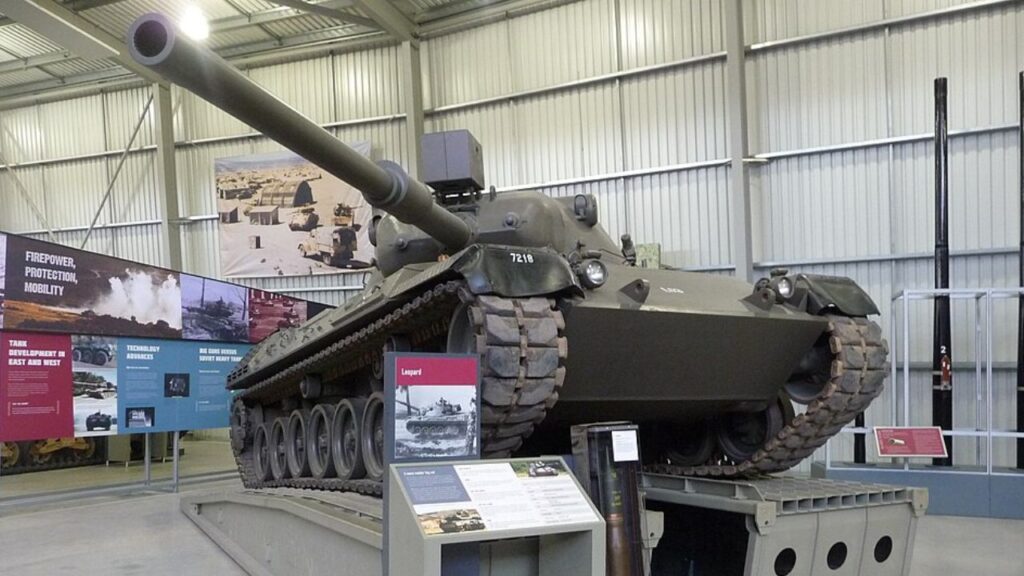
The West German Leopard 1 emphasized mobility and firepower, reflecting a shift in tank design philosophy during the Cold War. Unlike heavily armored contemporaries, it focused on speed and maneuverability, equipped with a powerful 105 mm gun capable of engaging targets at long range.
Simple yet effective engineering allowed the Leopard 1 to be easily maintained and upgraded, which extended its service life significantly. Its balance of agility and firepower made it a popular choice among NATO countries, and it participated in numerous peacekeeping missions.
Type 59
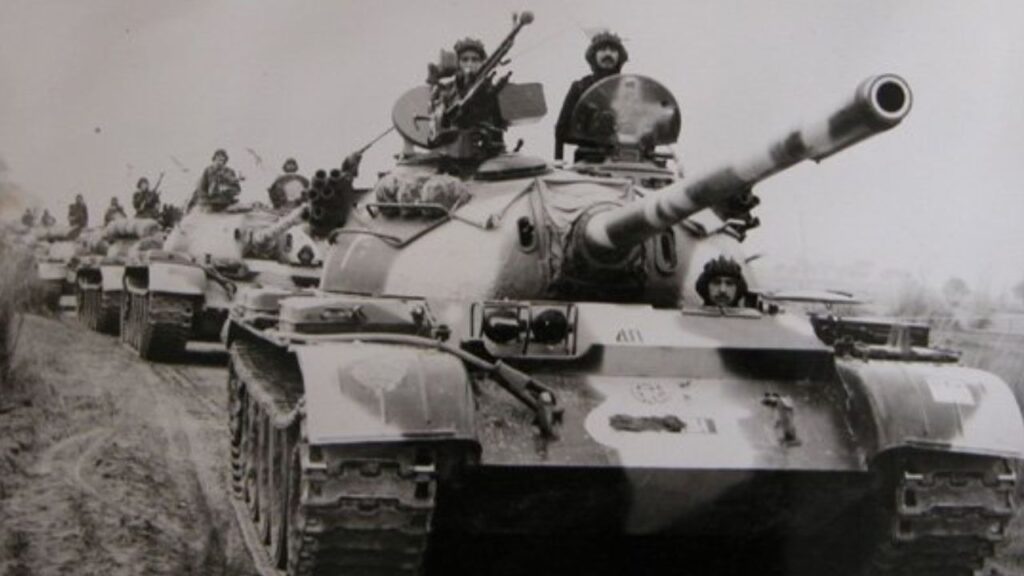
The Chinese Type 59 is a derivative of the Soviet T-54A and became the workhorse of the People’s Liberation Army. It retained the simple, robust design of its predecessor, making it suitable for mass production and easy maintenance.
The Type 59 saw action in various regional conflicts and was exported to numerous countries, where it often served as the backbone of armored forces. Its straightforward design enabled users to perform field repairs efficiently, a critical factor in prolonged engagements.
M113 (Armored Personnel Carrier)
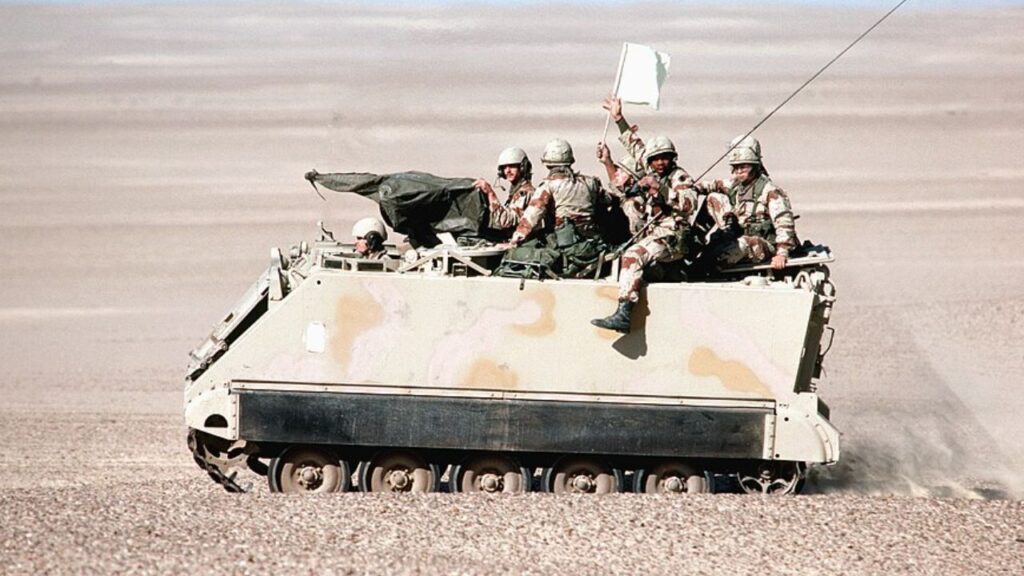
While not a tank in the traditional sense, the M113 armored personnel carrier deserves mention for its role in mechanized warfare. Introduced by the United States in the 1960s, its simple aluminum construction made it lightweight and easy to transport.
The M113’s versatility allowed it to be adapted for multiple roles, including command vehicles, ambulances, and even mobile gun platforms. Its straightforward design and ease of maintenance have kept it in service for decades, with over 80,000 units produced worldwide.
BMP-1

The Soviet BMP-1 was the first infantry fighting vehicle to combine the mobility of an armored personnel carrier with the firepower of a tank. Its compact design included a 73 mm gun and an anti-tank guided missile, providing significant battlefield presence.
Despite its relatively basic construction, the BMP-1 offered Soviet troops increased protection and fire support, enabling more effective mechanized operations. Its introduction marked a shift in armored warfare tactics, emphasizing the integration of infantry and armor in a single platform.